
About This Book
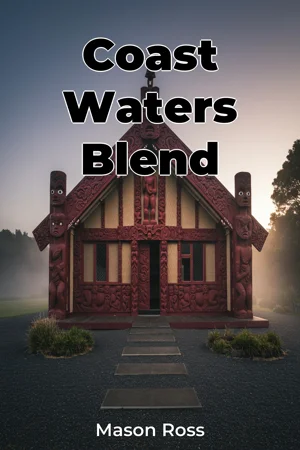
How has the educational landscape of the Māori people navigated the currents of tradition and the demands of formalized schooling? "Coast Waters Blend" explores the intricate relationship between indigenous Māori knowledge systems and the introduction and evolution of Western-style education in Aotearoa New Zealand. This exploration is vital to understanding not only the historical trajectory of Māori education, but also its present-day challenges and future possibilities for cultural preservation and academic success. The book delves into three central themes: the initial encounters between Māori communities and missionary-led education, the subsequent state-controlled education policies and their impact on the Māori language and culture, and the contemporary resurgence of Māori-medium education initiatives aimed at revitalizing indigenous knowledge. Each of these themes is crucial to grasping the complex historical and social forces that have shaped Māori education. To fully understand this complex interaction, the book provides historical context, beginning with pre-colonial Māori society and its sophisticated systems of knowledge transmission. It examines the arrival of European missionaries in the early 19th century and their establishment of schools that, while providing literacy, also served as instruments of cultural assimilation. The book then traces the development of government-run schools, where the use of the Māori language was often discouraged or outright banned, leading to a decline in its usage and a disconnect from traditional knowledge. The central argument of "Coast Waters Blend" is that Māori education has been and continues to be a site of cultural negotiation, where indigenous knowledge systems are constantly adapting and responding to the influences of Western education. This argument underscores the need for culturally responsive educational practices that honor and incorporate Māori language, values, and traditions, fostering both academic achievement and cultural identity. The book is structured to provide a comprehensive understanding of this dynamic. It begins by introducing the historical context of pre-colonial Māori education and the arrival of European missionaries. The second section examines the impact of state-controlled education policies on Māori communities, analyzing the consequences of language suppression and cultural assimilation. The third section focuses on the rise of Māori-medium education, including kōhanga reo (language nests), kura kaupapa Māori (Māori-medium schools), and wānanga (tertiary institutions), exploring their successes and challenges in revitalizing the Māori language and culture. Finally, the book culminates in a discussion of the implications for educational policy and practice, advocating for culturally responsive approaches that empower Māori students and promote equitable outcomes. The research presented is based on a combination of historical documents, archival records, ethnographic studies, and contemporary data on Māori educational outcomes. It draws upon oral histories and interviews with Māori educators, students, and community members, providing valuable insights into their experiences and perspectives. "Coast Waters Blend" also connects to several interdisciplinary fields, including anthropology, sociology, and linguistics. By examining the intersection of culture, language, and education, the book offers a holistic understanding of the challenges and opportunities facing Māori education. It adopts a unique perspective by foregrounding Māori voices and experiences, challenging dominant narratives and providing a nuanced analysis of the complexities of cultural negotiation in education. Written in an academic yet accessible style, "Coast Waters Blend" is aimed at educators, policymakers, students, and anyone interested in indigenous education and cultural revitalization. It serves as a valuable resource for understanding the historical and contemporary issues facing Māori education and for developing culturally responsive educational practices. The book’s scope is intentionally broad, covering the period from pre-colonial times to the present day. It acknowledges the limitations inherent in any historical study and recognizes that the experiences of Māori communities have varied depending on their geographical location and specific historical circumstances. The insights offered can be applied practically by educators seeking to create inclusive and culturally responsive classrooms. Policy makers will find valuable information for developing equitable education policies that support Māori language and culture. The book also addresses ongoing debates in the field of indigenous education, such as the role of standardized testing and the balance between cultural preservation and academic achievement. "Coast Waters Blend" offers a critical analysis of these debates, advocating for solutions that prioritize the needs and aspirations of Māori communities.
How has the educational landscape of the Māori people navigated the currents of tradition and the demands of formalized schooling? "Coast Waters Blend" explores the intricate relationship between indigenous Māori knowledge systems and the introduction and evolution of Western-style education in Aotearoa New Zealand. This exploration is vital to understanding not only the historical trajectory of Māori education, but also its present-day challenges and future possibilities for cultural preservation and academic success. The book delves into three central themes: the initial encounters between Māori communities and missionary-led education, the subsequent state-controlled education policies and their impact on the Māori language and culture, and the contemporary resurgence of Māori-medium education initiatives aimed at revitalizing indigenous knowledge. Each of these themes is crucial to grasping the complex historical and social forces that have shaped Māori education. To fully understand this complex interaction, the book provides historical context, beginning with pre-colonial Māori society and its sophisticated systems of knowledge transmission. It examines the arrival of European missionaries in the early 19th century and their establishment of schools that, while providing literacy, also served as instruments of cultural assimilation. The book then traces the development of government-run schools, where the use of the Māori language was often discouraged or outright banned, leading to a decline in its usage and a disconnect from traditional knowledge. The central argument of "Coast Waters Blend" is that Māori education has been and continues to be a site of cultural negotiation, where indigenous knowledge systems are constantly adapting and responding to the influences of Western education. This argument underscores the need for culturally responsive educational practices that honor and incorporate Māori language, values, and traditions, fostering both academic achievement and cultural identity. The book is structured to provide a comprehensive understanding of this dynamic. It begins by introducing the historical context of pre-colonial Māori education and the arrival of European missionaries. The second section examines the impact of state-controlled education policies on Māori communities, analyzing the consequences of language suppression and cultural assimilation. The third section focuses on the rise of Māori-medium education, including kōhanga reo (language nests), kura kaupapa Māori (Māori-medium schools), and wānanga (tertiary institutions), exploring their successes and challenges in revitalizing the Māori language and culture. Finally, the book culminates in a discussion of the implications for educational policy and practice, advocating for culturally responsive approaches that empower Māori students and promote equitable outcomes. The research presented is based on a combination of historical documents, archival records, ethnographic studies, and contemporary data on Māori educational outcomes. It draws upon oral histories and interviews with Māori educators, students, and community members, providing valuable insights into their experiences and perspectives. "Coast Waters Blend" also connects to several interdisciplinary fields, including anthropology, sociology, and linguistics. By examining the intersection of culture, language, and education, the book offers a holistic understanding of the challenges and opportunities facing Māori education. It adopts a unique perspective by foregrounding Māori voices and experiences, challenging dominant narratives and providing a nuanced analysis of the complexities of cultural negotiation in education. Written in an academic yet accessible style, "Coast Waters Blend" is aimed at educators, policymakers, students, and anyone interested in indigenous education and cultural revitalization. It serves as a valuable resource for understanding the historical and contemporary issues facing Māori education and for developing culturally responsive educational practices. The book’s scope is intentionally broad, covering the period from pre-colonial times to the present day. It acknowledges the limitations inherent in any historical study and recognizes that the experiences of Māori communities have varied depending on their geographical location and specific historical circumstances. The insights offered can be applied practically by educators seeking to create inclusive and culturally responsive classrooms. Policy makers will find valuable information for developing equitable education policies that support Māori language and culture. The book also addresses ongoing debates in the field of indigenous education, such as the role of standardized testing and the balance between cultural preservation and academic achievement. "Coast Waters Blend" offers a critical analysis of these debates, advocating for solutions that prioritize the needs and aspirations of Māori communities.
"Coast Waters Blend" investigates the intricate history of Māori education in Aotearoa New Zealand, highlighting the dynamic interplay between indigenous knowledge and Western educational systems. It examines how state-controlled education policies impacted the Māori language and culture, sometimes leading to suppression, while also exploring the resurgence of Māori-medium education initiatives like kōhanga reo aimed at cultural revitalization and academic success. The book uniquely emphasizes the ongoing cultural negotiation within Māori education, showcasing how indigenous knowledge constantly adapts to external influences. The book progresses chronologically, starting with pre-colonial Māori society and its knowledge transmission methods, then moving through missionary-led education and the subsequent state-controlled policies. A key insight is how early missionary schools, while introducing literacy, also served as tools for cultural assimilation. The later chapters focus on contemporary Māori-medium education, analyzing the successes and challenges in revitalizing the Māori language and culture through initiatives like kura kaupapa Māori and wānanga. By drawing on historical documents, oral histories, and contemporary data, the book provides a comprehensive analysis of Māori education. It culminates in a discussion of culturally responsive educational practices, advocating for policies that empower Māori students and promote equitable outcomes. This approach offers valuable insights for educators, policymakers, and anyone interested in indigenous education and cultural preservation.
Book Details
ISBN
9788235207555
Publisher
Publifye AS
Your Licenses
You don't own any licenses for this book
Purchase a license below to unlock this book and download the EPUB.
Purchase License
Select a tier to unlock this book
Need bulk licensing?
Contact us for enterprise agreements.