
About This Book
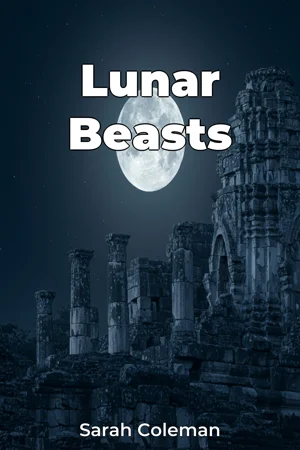
For millennia, the moon has captivated humanity, weaving itself into our deepest fears, loftiest aspirations, and most enduring belief systems. But beyond its visible phases, how has the moon shaped the creatures of our collective imagination and the deities of our mythologies? "Lunar Beasts" delves into this compelling question, tracing the intricate connections between the moon and the diverse beings that populate our cultural landscape. This book explores three primary themes. First, it examines the pervasive motif of the werewolf, analyzing its evolution across different cultures and historical periods. From ancient folklore to modern cinema, the werewolf serves as a potent symbol of the moon's transformative power, representing the untamed, primal aspects of human nature. Second, "Lunar Beasts" investigates lunar deities found in various religions, highlighting their attributes and roles in shaping creation myths, cosmological beliefs, and ritual practices. Figures like Selene, Luna, and Chang'e aren’t simply personifications of the moon; they are powerful entities that influence earthly affairs and reflect societal values. Third, the book considers other creatures influenced by the moon, from mythical beasts to animals whose behaviors are attributed to lunar cycles, revealing the diverse ways the moon impacts our understanding of the natural world and our place within it. Understanding the moon’s cultural significance requires a broad perspective, encompassing historical context related to early astronomical observations, societal anxieties about the unknown, and the development of religious ideologies. No prior specialized knowledge is needed, as the book provides clear explanations of relevant concepts from astronomy, anthropology, and religious studies. The central argument of "Lunar Beasts" is that the moon acts as a cultural mirror, reflecting humanity’s deepest fears, hopes, and understandings of the world. By examining the creatures associated with the moon, we gain invaluable insights into our own evolving beliefs, values, and relationship with the natural world. This argument is important because it challenges us to look beyond the scientific explanations of lunar phenomena and consider the profound cultural impact the moon continues to exert. The book begins with an introduction to the moon's astronomical properties and its early cultural interpretations. It then proceeds to explore the werewolf archetype through historical accounts, folklore analysis, and psychological interpretations. Next, it examines various lunar deities, analyzing their associated myths, rituals, and iconographies. The book culminates in a discussion of other moon-influenced creatures, drawing connections between these beings and broader themes of transformation, liminality, and the human-nature relationship. Finally, it explores applications for this knowledge, looking at the continued prevalence of lunar symbolism in contemporary art, literature, and popular culture. The analysis presented in "Lunar Beasts" will be supported by diverse evidence, including historical texts, mythological accounts, anthropological studies, and iconographic analyses. Unique data sources will include collections of folklore from around the world, providing a rich tapestry of beliefs and traditions related to the moon. "Lunar Beasts" connects to multiple disciplines, including anthropology (studying cultural beliefs), religious studies (analyzing lunar deities and rituals), and folklore studies (examining the evolution of moon-related myths and legends). These interdisciplinary connections enrich the book’s argument by providing a holistic understanding of the moon's cultural significance. The book distinguishes itself through its unique focus on the interplay between lunar mythology and the creatures that embody its power. Rather than simply cataloging lunar beliefs, it offers a deeper analysis of how these beliefs reflect and shape human culture. The tone and style of "Lunar Beasts" will be accessible yet scholarly, balancing rigorous research with engaging storytelling. The writing will be clear, concise, and jargon-free, ensuring that the book is accessible to a broad audience. The target audience includes readers interested in mythology, folklore, religion, and cultural history. "Lunar Beasts" will be valuable to anyone seeking a deeper understanding of the moon's enduring influence on human culture and imagination. As a work of non-fiction, "Lunar Beasts" adheres to the conventions of accuracy, objectivity, and thorough research. All sources will be properly cited, and arguments will be supported by credible evidence. The scope of "Lunar Beasts" is limited to the cultural and mythological aspects of the moon. While it touches upon astronomical concepts, it does not delve into the scientific details of lunar geology or astrophysics. The information presented in "Lunar Beasts" can be applied practically by readers seeking to understand the cultural significance of lunar symbolism in art, literature, and popular culture. It can also be used as a resource for educators and researchers interested in mythology, religion, and folklore. While the book does not shy away from acknowledging varying interpretations of lunar myths and beliefs, it aims to present a balanced and objective account, avoiding involvement in ongoing debates about the validity of specific religious or spiritual practices. "Lunar Beasts" contributes to a broader understanding of how humanity has projected its own image onto the celestial sphere.
For millennia, the moon has captivated humanity, weaving itself into our deepest fears, loftiest aspirations, and most enduring belief systems. But beyond its visible phases, how has the moon shaped the creatures of our collective imagination and the deities of our mythologies? "Lunar Beasts" delves into this compelling question, tracing the intricate connections between the moon and the diverse beings that populate our cultural landscape. This book explores three primary themes. First, it examines the pervasive motif of the werewolf, analyzing its evolution across different cultures and historical periods. From ancient folklore to modern cinema, the werewolf serves as a potent symbol of the moon's transformative power, representing the untamed, primal aspects of human nature. Second, "Lunar Beasts" investigates lunar deities found in various religions, highlighting their attributes and roles in shaping creation myths, cosmological beliefs, and ritual practices. Figures like Selene, Luna, and Chang'e aren’t simply personifications of the moon; they are powerful entities that influence earthly affairs and reflect societal values. Third, the book considers other creatures influenced by the moon, from mythical beasts to animals whose behaviors are attributed to lunar cycles, revealing the diverse ways the moon impacts our understanding of the natural world and our place within it. Understanding the moon’s cultural significance requires a broad perspective, encompassing historical context related to early astronomical observations, societal anxieties about the unknown, and the development of religious ideologies. No prior specialized knowledge is needed, as the book provides clear explanations of relevant concepts from astronomy, anthropology, and religious studies. The central argument of "Lunar Beasts" is that the moon acts as a cultural mirror, reflecting humanity’s deepest fears, hopes, and understandings of the world. By examining the creatures associated with the moon, we gain invaluable insights into our own evolving beliefs, values, and relationship with the natural world. This argument is important because it challenges us to look beyond the scientific explanations of lunar phenomena and consider the profound cultural impact the moon continues to exert. The book begins with an introduction to the moon's astronomical properties and its early cultural interpretations. It then proceeds to explore the werewolf archetype through historical accounts, folklore analysis, and psychological interpretations. Next, it examines various lunar deities, analyzing their associated myths, rituals, and iconographies. The book culminates in a discussion of other moon-influenced creatures, drawing connections between these beings and broader themes of transformation, liminality, and the human-nature relationship. Finally, it explores applications for this knowledge, looking at the continued prevalence of lunar symbolism in contemporary art, literature, and popular culture. The analysis presented in "Lunar Beasts" will be supported by diverse evidence, including historical texts, mythological accounts, anthropological studies, and iconographic analyses. Unique data sources will include collections of folklore from around the world, providing a rich tapestry of beliefs and traditions related to the moon. "Lunar Beasts" connects to multiple disciplines, including anthropology (studying cultural beliefs), religious studies (analyzing lunar deities and rituals), and folklore studies (examining the evolution of moon-related myths and legends). These interdisciplinary connections enrich the book’s argument by providing a holistic understanding of the moon's cultural significance. The book distinguishes itself through its unique focus on the interplay between lunar mythology and the creatures that embody its power. Rather than simply cataloging lunar beliefs, it offers a deeper analysis of how these beliefs reflect and shape human culture. The tone and style of "Lunar Beasts" will be accessible yet scholarly, balancing rigorous research with engaging storytelling. The writing will be clear, concise, and jargon-free, ensuring that the book is accessible to a broad audience. The target audience includes readers interested in mythology, folklore, religion, and cultural history. "Lunar Beasts" will be valuable to anyone seeking a deeper understanding of the moon's enduring influence on human culture and imagination. As a work of non-fiction, "Lunar Beasts" adheres to the conventions of accuracy, objectivity, and thorough research. All sources will be properly cited, and arguments will be supported by credible evidence. The scope of "Lunar Beasts" is limited to the cultural and mythological aspects of the moon. While it touches upon astronomical concepts, it does not delve into the scientific details of lunar geology or astrophysics. The information presented in "Lunar Beasts" can be applied practically by readers seeking to understand the cultural significance of lunar symbolism in art, literature, and popular culture. It can also be used as a resource for educators and researchers interested in mythology, religion, and folklore. While the book does not shy away from acknowledging varying interpretations of lunar myths and beliefs, it aims to present a balanced and objective account, avoiding involvement in ongoing debates about the validity of specific religious or spiritual practices. "Lunar Beasts" contributes to a broader understanding of how humanity has projected its own image onto the celestial sphere.
"Lunar Beasts" explores the fascinating relationship between the moon and the creatures of our imagination, revealing how lunar symbolism reflects human culture. The book investigates the prevalence of moon mythology across history and cultures, focusing on how the moon has shaped our understanding of the world. Delving into cultural beliefs, the book examines how figures like werewolves and lunar deities embody the moon's transformative power and influence. For example, the werewolf archetype serves as a potent symbol of the untamed aspects of human nature under lunar influence. The book also analyzes lunar deities found in various religions, highlighting their roles in shaping creation myths and cosmological beliefs. By examining the creatures associated with the moon, "Lunar Beasts" provides insights into our evolving beliefs, values, and the human-nature relationship. The book progresses from an introduction to astronomical properties and early cultural interpretations to an exploration of werewolves, lunar deities, and other moon-influenced creatures, ultimately connecting these beings to broader themes of transformation and liminality.
Book Details
ISBN
9788235207524
Publisher
Publifye AS
Your Licenses
You don't own any licenses for this book
Purchase a license below to unlock this book and download the EPUB.
Purchase License
Select a tier to unlock this book
Need bulk licensing?
Contact us for enterprise agreements.