
About This Book
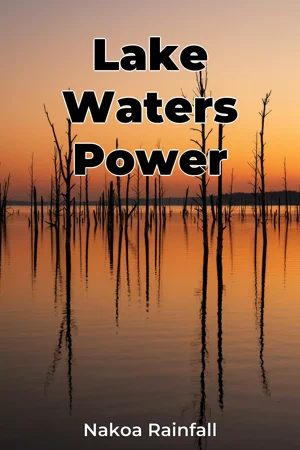
How has the pursuit of clean energy reshaped lives, landscapes, and cultures in profound and often unforeseen ways? "Lake Waters Power" delves into the complex history of hydroelectric development in Cree territories, investigating its lasting impacts on Indigenous communities and ecosystems. This exploration is crucial, as debates surrounding renewable energy intensify and societies grapple with the trade-offs between development and environmental preservation. This book examines three interwoven themes: the history of hydroelectric projects in Cree territories, the environmental transformations resulting from these projects including impacts to waterways and wildlife, and the social and cultural consequences for Cree communities. These topics are relevant because they illuminate the human cost of large-scale energy projects, particularly for Indigenous populations, and offer essential lessons for future development initiatives. A reader will benefit from a basic understanding of Canadian history and ecological principles. At its heart, "Lake Waters Power" argues that hydroelectric development in Cree territories, while intended to provide clean energy and economic benefits, has resulted in significant and often detrimental social, cultural, and environmental consequences for Cree communities, demanding a reassessment of how energy projects are planned and implemented in Indigenous territories. This argument is vital because it challenges prevailing narratives of "green" energy, emphasizing the need for equitable and sustainable development practices that respect Indigenous rights and environmental integrity. The book unfolds in three major sections. First, it introduces the historical context of hydroelectric development in Cree territories, detailing government policies, corporate interests, and the initial promises made to Indigenous communities. Second, it explores the environmental impacts of these projects, including the flooding of traditional lands, the disruption of wildlife habitats, and the alteration of river ecosystems. Third, the book examines the profound social and cultural consequences for Cree communities, including displacement, loss of traditional livelihoods, and the erosion of cultural identity. The culmination of the argument reveals a comprehensive understanding of the long-term repercussions of hydroelectric development, advocating for Indigenous-led solutions and sustainable energy policies that prioritize community well-being and environmental stewardship. The book relies on a variety of evidence, including archival documents, government reports, oral histories from Cree community members, and scientific studies of environmental impacts. The rich collection of firsthand accounts provides unique insights into the lived experiences of those most affected by hydroelectric development. "Lake Waters Power" draws connections to several disciplines, including environmental science, sociology, and Indigenous studies. The book's environmental analysis provides a scientific basis for understanding the ecological effects of hydroelectric projects, while its sociological perspective sheds light on the social and cultural dynamics within Cree communities. By engaging with Indigenous studies, the book centers Indigenous perspectives and knowledge in the analysis of development impacts. This book adopts a community-centered approach, prioritizing the voices and experiences of Cree community members. By foregrounding Indigenous perspectives, it challenges traditional top-down narratives of development and offers a more nuanced and holistic understanding of the impacts of hydroelectric projects. Written in a clear and accessible style, "Lake Waters Power" aims to engage a broad audience, including scholars, policymakers, environmental advocates, and anyone interested in the intersection of energy, environment, and Indigenous rights. The book maintains a professional tone while remaining accessible to readers without specialized knowledge. This book is primarily aimed at students and scholars in environmental studies, history, and Indigenous studies, as well as policymakers and community leaders involved in energy and resource management. It offers valuable insights for anyone seeking to understand the complex relationship between energy development, Indigenous communities, and the environment. As a work of history and environmental non-fiction, "Lake Waters Power" adheres to principles of accuracy, objectivity, and ethical research practices. It strives to present a balanced and fair account of the historical events and environmental impacts, while also acknowledging the perspectives and concerns of Cree communities. The book focuses specifically on hydroelectric development in Cree territories, with particular emphasis on projects that have had significant impacts on Indigenous communities and ecosystems. While it acknowledges the broader context of energy development and Indigenous rights, its primary focus remains on the specific case studies and experiences within Cree territories. The insights from "Lake Waters Power" can be applied to inform future energy projects, promote sustainable development practices, and advocate for Indigenous rights and environmental justice. It offers a framework for understanding the social, cultural, and environmental consequences of large-scale development projects. Ongoing debates surrounding hydroelectric development often center on the balance between clean energy production and Indigenous rights. "Lake Waters Power" addresses these debates directly by presenting a nuanced analysis of the impacts of hydroelectric projects in Cree territories, and advocating for Indigenous-led solutions and sustainable energy policies.
How has the pursuit of clean energy reshaped lives, landscapes, and cultures in profound and often unforeseen ways? "Lake Waters Power" delves into the complex history of hydroelectric development in Cree territories, investigating its lasting impacts on Indigenous communities and ecosystems. This exploration is crucial, as debates surrounding renewable energy intensify and societies grapple with the trade-offs between development and environmental preservation. This book examines three interwoven themes: the history of hydroelectric projects in Cree territories, the environmental transformations resulting from these projects including impacts to waterways and wildlife, and the social and cultural consequences for Cree communities. These topics are relevant because they illuminate the human cost of large-scale energy projects, particularly for Indigenous populations, and offer essential lessons for future development initiatives. A reader will benefit from a basic understanding of Canadian history and ecological principles. At its heart, "Lake Waters Power" argues that hydroelectric development in Cree territories, while intended to provide clean energy and economic benefits, has resulted in significant and often detrimental social, cultural, and environmental consequences for Cree communities, demanding a reassessment of how energy projects are planned and implemented in Indigenous territories. This argument is vital because it challenges prevailing narratives of "green" energy, emphasizing the need for equitable and sustainable development practices that respect Indigenous rights and environmental integrity. The book unfolds in three major sections. First, it introduces the historical context of hydroelectric development in Cree territories, detailing government policies, corporate interests, and the initial promises made to Indigenous communities. Second, it explores the environmental impacts of these projects, including the flooding of traditional lands, the disruption of wildlife habitats, and the alteration of river ecosystems. Third, the book examines the profound social and cultural consequences for Cree communities, including displacement, loss of traditional livelihoods, and the erosion of cultural identity. The culmination of the argument reveals a comprehensive understanding of the long-term repercussions of hydroelectric development, advocating for Indigenous-led solutions and sustainable energy policies that prioritize community well-being and environmental stewardship. The book relies on a variety of evidence, including archival documents, government reports, oral histories from Cree community members, and scientific studies of environmental impacts. The rich collection of firsthand accounts provides unique insights into the lived experiences of those most affected by hydroelectric development. "Lake Waters Power" draws connections to several disciplines, including environmental science, sociology, and Indigenous studies. The book's environmental analysis provides a scientific basis for understanding the ecological effects of hydroelectric projects, while its sociological perspective sheds light on the social and cultural dynamics within Cree communities. By engaging with Indigenous studies, the book centers Indigenous perspectives and knowledge in the analysis of development impacts. This book adopts a community-centered approach, prioritizing the voices and experiences of Cree community members. By foregrounding Indigenous perspectives, it challenges traditional top-down narratives of development and offers a more nuanced and holistic understanding of the impacts of hydroelectric projects. Written in a clear and accessible style, "Lake Waters Power" aims to engage a broad audience, including scholars, policymakers, environmental advocates, and anyone interested in the intersection of energy, environment, and Indigenous rights. The book maintains a professional tone while remaining accessible to readers without specialized knowledge. This book is primarily aimed at students and scholars in environmental studies, history, and Indigenous studies, as well as policymakers and community leaders involved in energy and resource management. It offers valuable insights for anyone seeking to understand the complex relationship between energy development, Indigenous communities, and the environment. As a work of history and environmental non-fiction, "Lake Waters Power" adheres to principles of accuracy, objectivity, and ethical research practices. It strives to present a balanced and fair account of the historical events and environmental impacts, while also acknowledging the perspectives and concerns of Cree communities. The book focuses specifically on hydroelectric development in Cree territories, with particular emphasis on projects that have had significant impacts on Indigenous communities and ecosystems. While it acknowledges the broader context of energy development and Indigenous rights, its primary focus remains on the specific case studies and experiences within Cree territories. The insights from "Lake Waters Power" can be applied to inform future energy projects, promote sustainable development practices, and advocate for Indigenous rights and environmental justice. It offers a framework for understanding the social, cultural, and environmental consequences of large-scale development projects. Ongoing debates surrounding hydroelectric development often center on the balance between clean energy production and Indigenous rights. "Lake Waters Power" addresses these debates directly by presenting a nuanced analysis of the impacts of hydroelectric projects in Cree territories, and advocating for Indigenous-led solutions and sustainable energy policies.
"Lake Waters Power" explores the complex history of hydroelectric development in Cree territories, focusing on the environmental impacts and social consequences for Indigenous communities. The book argues that while hydroelectric power was intended as clean energy, it has resulted in significant detrimental effects, challenging common narratives around "green" energy. One key insight is how the flooding of traditional lands disrupted wildlife habitats and altered river ecosystems, while another is the erosion of cultural identity experienced by Cree communities due to displacement and loss of traditional livelihoods. The book adopts a community-centered approach, prioritizing the voices and experiences of Cree community members through oral histories and archival documents. Progressing through three major sections, the book first introduces the history of hydroelectric projects, then examines the environmental impacts, and finally, delves into the social and cultural consequences. This exploration is crucial for understanding the trade-offs between renewable energy and Indigenous rights. The analysis calls for a reassessment of energy project planning to ensure equitable and sustainable development practices.
Book Details
ISBN
9788235207395
Publisher
Publifye AS
Your Licenses
You don't own any licenses for this book
Purchase a license below to unlock this book and download the EPUB.
Purchase License
Select a tier to unlock this book
Need bulk licensing?
Contact us for enterprise agreements.