
About This Book
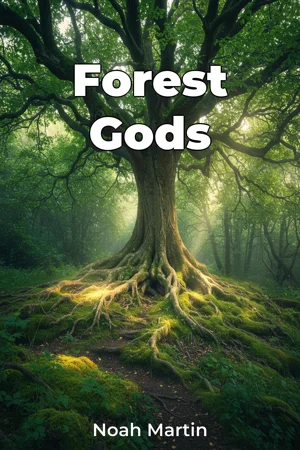
Have you ever wondered about the ancient whispers carried on the wind through a forest, or the silent sentinels that have watched over groves for centuries? In "Forest Gods," we delve into the profound and often overlooked world of tree spirits, guardian deities, and sacred groves that have played central roles in spiritual traditions across cultures and throughout history. These beliefs represent a tangible connection between humanity and the natural world, a connection that is increasingly relevant in our modern, often disconnected, lives. This book explores the enduring significance of trees and forests as sacred spaces and the beings believed to inhabit them. It examines how these beliefs have shaped human behavior, influenced art and mythology, and contributed to the development of environmental ethics. Understanding these traditions offers valuable insights into humanity’s evolving relationship with nature, from reverence to exploitation, and back again. We begin by establishing a context for understanding animism and its role in early spiritual beliefs, including how the natural world was perceived as inherently alive and imbued with spiritual significance. Then, the book examines the diverse range of tree spirits and deities associated with forests in various cultures, from the dryads of ancient Greece to the kodama of Japan, and the forest deities of Celtic and Norse traditions, investigating their unique attributes and the rituals designed to honor them. This exploration will provide a cultural and historical foundation for understanding the widespread belief in forest guardians. The central argument of "Forest Gods" is that the veneration of tree spirits and sacred groves reflects a deep-seated human need to find meaning and connection in the natural world. Furthermore, these beliefs have historically served as a powerful incentive for conservation and sustainable resource management, offering insights applicable to contemporary environmental challenges. The book is structured to guide the reader through a comprehensive exploration of this topic, encompassing key areas: a) Introducing Core Concepts: Defining tree spirits, guardian deities, and sacred groves within a global spiritual context. b) Developing Ideas: Chapters will explore specific cultural traditions, focusing on the mythology, rituals, and social practices associated with forest veneration in regions such as Europe, Asia, Africa, and the Americas. Case studies will illustrate the diverse ways in which trees have been perceived as sacred. c) Culminating Argument: Synthesizing the cultural examples to demonstrate how these beliefs both reflect and shape human-nature relationships, addressing the conservation aspect of the topic. d) Practical Applications: Discussing the implications of these historical beliefs for contemporary environmental ethics and conservation efforts, highlighting the potential for rediscovering a sense of reverence for the natural world. The evidence presented draws from a combination of ethnographical studies, archaeological findings, historical texts, and mythological accounts. Unique data sources will include lesser-known collections of folklore and oral traditions gathered from indigenous communities around the world. "Forest Gods" connects to several other fields of study, including: - Anthropology: By examining the cultural context of these beliefs and practices. - Environmental Studies: By exploring the ecological implications of forest veneration. - Religious Studies: By analyzing the theological underpinnings of animistic beliefs. This interdisciplinary approach enhances the book's argument by providing a more holistic understanding of the complex relationship between humans, forests, and spirituality. The book offers a unique perspective by emphasizing the practical relevance of these ancient beliefs for contemporary environmental challenges. It moves beyond simply documenting cultural traditions to explore how they can inform and inspire more sustainable approaches to forest management and conservation. The writing style will maintain an accessible, scholarly tone suitable for a broad audience interested in religion, spirituality, and environmentalism. While grounded in research, the book avoids jargon and presents information in a clear, engaging manner. The target audience includes readers interested in comparative religion, mythology, environmental history, and cultural anthropology. It would be valuable to those seeking a deeper understanding of the human-nature relationship and the spiritual dimensions of environmental conservation. As a work within the genres of religion and spirituality, "Forest Gods" will explore the beliefs, rituals, and ethical considerations associated with forest veneration, acknowledging the diversity of spiritual practices. The scope of "Forest Gods" encompasses a global perspective, examining traditions from various regions. However, it intentionally limits its focus to established spiritual traditions and avoids speculation on less documented or fringe beliefs. The information presented has real-world applications for promoting ecological awareness, supporting conservation efforts, and fostering a deeper connection with the natural world. While the veneration of sacred groves is often lauded for its role in conservation, the book will address potential controversies, such as the conflict between traditional practices and modern land management approaches, including differing perspectives on resource extraction and usage. "Forest Gods" offers readers a journey into the heart of ancient beliefs, revealing the enduring power of forests and the spirits that reside within them. It invites readers to reconsider their own relationship with nature and to explore the potential for rediscovering a sense of reverence for the natural world.
Have you ever wondered about the ancient whispers carried on the wind through a forest, or the silent sentinels that have watched over groves for centuries? In "Forest Gods," we delve into the profound and often overlooked world of tree spirits, guardian deities, and sacred groves that have played central roles in spiritual traditions across cultures and throughout history. These beliefs represent a tangible connection between humanity and the natural world, a connection that is increasingly relevant in our modern, often disconnected, lives. This book explores the enduring significance of trees and forests as sacred spaces and the beings believed to inhabit them. It examines how these beliefs have shaped human behavior, influenced art and mythology, and contributed to the development of environmental ethics. Understanding these traditions offers valuable insights into humanity’s evolving relationship with nature, from reverence to exploitation, and back again. We begin by establishing a context for understanding animism and its role in early spiritual beliefs, including how the natural world was perceived as inherently alive and imbued with spiritual significance. Then, the book examines the diverse range of tree spirits and deities associated with forests in various cultures, from the dryads of ancient Greece to the kodama of Japan, and the forest deities of Celtic and Norse traditions, investigating their unique attributes and the rituals designed to honor them. This exploration will provide a cultural and historical foundation for understanding the widespread belief in forest guardians. The central argument of "Forest Gods" is that the veneration of tree spirits and sacred groves reflects a deep-seated human need to find meaning and connection in the natural world. Furthermore, these beliefs have historically served as a powerful incentive for conservation and sustainable resource management, offering insights applicable to contemporary environmental challenges. The book is structured to guide the reader through a comprehensive exploration of this topic, encompassing key areas: a) Introducing Core Concepts: Defining tree spirits, guardian deities, and sacred groves within a global spiritual context. b) Developing Ideas: Chapters will explore specific cultural traditions, focusing on the mythology, rituals, and social practices associated with forest veneration in regions such as Europe, Asia, Africa, and the Americas. Case studies will illustrate the diverse ways in which trees have been perceived as sacred. c) Culminating Argument: Synthesizing the cultural examples to demonstrate how these beliefs both reflect and shape human-nature relationships, addressing the conservation aspect of the topic. d) Practical Applications: Discussing the implications of these historical beliefs for contemporary environmental ethics and conservation efforts, highlighting the potential for rediscovering a sense of reverence for the natural world. The evidence presented draws from a combination of ethnographical studies, archaeological findings, historical texts, and mythological accounts. Unique data sources will include lesser-known collections of folklore and oral traditions gathered from indigenous communities around the world. "Forest Gods" connects to several other fields of study, including: - Anthropology: By examining the cultural context of these beliefs and practices. - Environmental Studies: By exploring the ecological implications of forest veneration. - Religious Studies: By analyzing the theological underpinnings of animistic beliefs. This interdisciplinary approach enhances the book's argument by providing a more holistic understanding of the complex relationship between humans, forests, and spirituality. The book offers a unique perspective by emphasizing the practical relevance of these ancient beliefs for contemporary environmental challenges. It moves beyond simply documenting cultural traditions to explore how they can inform and inspire more sustainable approaches to forest management and conservation. The writing style will maintain an accessible, scholarly tone suitable for a broad audience interested in religion, spirituality, and environmentalism. While grounded in research, the book avoids jargon and presents information in a clear, engaging manner. The target audience includes readers interested in comparative religion, mythology, environmental history, and cultural anthropology. It would be valuable to those seeking a deeper understanding of the human-nature relationship and the spiritual dimensions of environmental conservation. As a work within the genres of religion and spirituality, "Forest Gods" will explore the beliefs, rituals, and ethical considerations associated with forest veneration, acknowledging the diversity of spiritual practices. The scope of "Forest Gods" encompasses a global perspective, examining traditions from various regions. However, it intentionally limits its focus to established spiritual traditions and avoids speculation on less documented or fringe beliefs. The information presented has real-world applications for promoting ecological awareness, supporting conservation efforts, and fostering a deeper connection with the natural world. While the veneration of sacred groves is often lauded for its role in conservation, the book will address potential controversies, such as the conflict between traditional practices and modern land management approaches, including differing perspectives on resource extraction and usage. "Forest Gods" offers readers a journey into the heart of ancient beliefs, revealing the enduring power of forests and the spirits that reside within them. It invites readers to reconsider their own relationship with nature and to explore the potential for rediscovering a sense of reverence for the natural world.
"Forest Gods" explores the widespread veneration of tree spirits and sacred groves across cultures, revealing a deep-seated human connection to nature. It delves into how ancient beliefs in forest deities, from Greek dryads to Japanese kodama, have shaped cultural practices and environmental ethics. The book highlights the enduring significance of these beliefs, suggesting that they reflect our need for meaning in the natural world and have historically promoted conservation. The book examines how these ancient traditions can inform contemporary environmental challenges, emphasizing the importance of ecological awareness. It begins by introducing core concepts such as animism and its role in early spiritual beliefs. Then, specific cultural traditions are explored, focusing on mythology, rituals, and social practices associated with forest veneration. By synthesizing cultural examples, "Forest Gods" demonstrates how beliefs about tree spirits both reflect and shape human-nature relationships, addressing the conservation aspect of the topic. It connects these historical beliefs to modern environmental ethics, inviting readers to rediscover a sense of reverence for nature.
Book Details
ISBN
9788235207357
Publisher
Publifye AS
Your Licenses
You don't own any licenses for this book
Purchase a license below to unlock this book and download the EPUB.
Purchase License
Select a tier to unlock this book
Need bulk licensing?
Contact us for enterprise agreements.