
About This Book
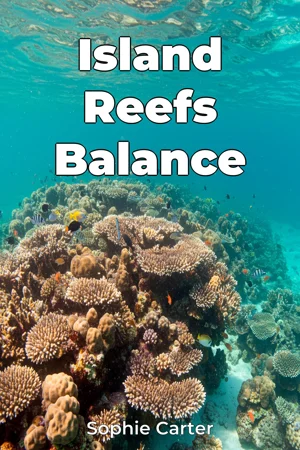
Can the delicate balance between traditional fishing practices and the fragile ecosystems of the Torres Strait reefs be maintained? Island Reefs Balance explores the critical intersection of marine conservation, indigenous culture, and sustainable resource management in the Torres Strait, a region of immense ecological and cultural significance. This book examines the necessity of implementing revised fishing regulations to safeguard the long-term health of these vital coral reef ecosystems and protect the livelihoods of the communities who depend on them. The book addresses two primary challenges: the increasing pressure on Torres Strait fisheries due to modernization and external influences, and the imperative to reconcile these pressures with the traditional fishing rights and practices of the indigenous islanders. It also highlights the intricacies of managing a shared resource between Australia and Papua New Guinea within the framework of the Torres Strait Treaty. Understanding the historical context of resource utilization, colonial impacts, and the evolving dynamics of local governance is crucial to appreciating the current state of the reefs. The central argument of Island Reefs Balance is that a collaborative, scientifically informed approach to fisheries management, one that respects and integrates traditional ecological knowledge (TEK), is essential for achieving a sustainable equilibrium within the Torres Strait. This argument is vital because the Torres Strait is not only a biodiversity hotspot but also a region where human communities are deeply intertwined with the natural environment. Failure to achieve this balance could result in irreversible damage to the reefs and the erosion of a unique cultural heritage. The book's structure is designed to methodically build a case for this argument. It begins by introducing the ecological significance of the Torres Strait reefs, outlining their biodiversity, ecological functions, and sensitivity to environmental changes. It then delves into the historical and social context of fishing practices, examining traditional methods, the introduction of commercial fishing, and the impacts of climate change. Subsequent chapters develop the core ideas: first, by analyzing current fishing regulations and their effectiveness; second, by presenting scientific evidence on fish stock depletion and reef degradation; and third, by exploring case studies of successful community-based conservation initiatives. The culmination of the argument rests on proposing a framework for revised fishing regulations that incorporates TEK, scientific data, and stakeholder consultation. Finally, the book explores the practical implications of these regulations for local communities, policymakers, and conservation organizations. The evidence and research presented within the book ranges from original field studies on fish populations and reef health to analyses of existing fisheries data and interviews with indigenous fishers and community leaders. This approach blends quantitative scientific data with qualitative insights from traditional knowledge holders. Island Reefs Balance connects to other fields by linking marine biology and environmental science with anthropology, sociology, and political science. The ecological research is coupled with ethnographic studies of fishing communities, offering a more holistic view. Furthermore, the intersection of environmental law and policy is explored in the context of international agreements like the Torres Strait Treaty. The approach to this book is innovative because it combines scientific rigor with a deep respect for traditional ecological knowledge. This perspective highlights the shortcomings of purely top-down management approaches and promotes a more inclusive and effective model of conservation. The tone is intended to be both informative and accessible. The primary target audience includes marine biologists, environmental scientists, policymakers involved in fisheries management, indigenous community leaders, and anyone interested in sustainable development and conservation. The book would be valuable to them because it provides a comprehensive analysis of the challenges and opportunities for balancing ecological integrity with human needs in a complex and culturally rich environment. As a work of non-fiction in the Science, Life Sciences, Biology, and Environment genres, this book will prioritize accuracy, objectivity, and clarity. It adheres to the conventions of academic writing while striving to engage a broader audience. The scope of Island Reefs Balance is limited to the Torres Strait region, but the lessons learned and the proposed framework for fisheries management could be applicable to other similar coastal ecosystems around the world. Real-world applications include informing policy decisions, guiding conservation efforts, and empowering local communities to participate in the management of their natural resources. The book also acknowledges ongoing debates surrounding the allocation of fishing rights, the role of traditional knowledge, and the effectiveness of different conservation strategies, offering a balanced perspective on these complex issues.
Can the delicate balance between traditional fishing practices and the fragile ecosystems of the Torres Strait reefs be maintained? Island Reefs Balance explores the critical intersection of marine conservation, indigenous culture, and sustainable resource management in the Torres Strait, a region of immense ecological and cultural significance. This book examines the necessity of implementing revised fishing regulations to safeguard the long-term health of these vital coral reef ecosystems and protect the livelihoods of the communities who depend on them. The book addresses two primary challenges: the increasing pressure on Torres Strait fisheries due to modernization and external influences, and the imperative to reconcile these pressures with the traditional fishing rights and practices of the indigenous islanders. It also highlights the intricacies of managing a shared resource between Australia and Papua New Guinea within the framework of the Torres Strait Treaty. Understanding the historical context of resource utilization, colonial impacts, and the evolving dynamics of local governance is crucial to appreciating the current state of the reefs. The central argument of Island Reefs Balance is that a collaborative, scientifically informed approach to fisheries management, one that respects and integrates traditional ecological knowledge (TEK), is essential for achieving a sustainable equilibrium within the Torres Strait. This argument is vital because the Torres Strait is not only a biodiversity hotspot but also a region where human communities are deeply intertwined with the natural environment. Failure to achieve this balance could result in irreversible damage to the reefs and the erosion of a unique cultural heritage. The book's structure is designed to methodically build a case for this argument. It begins by introducing the ecological significance of the Torres Strait reefs, outlining their biodiversity, ecological functions, and sensitivity to environmental changes. It then delves into the historical and social context of fishing practices, examining traditional methods, the introduction of commercial fishing, and the impacts of climate change. Subsequent chapters develop the core ideas: first, by analyzing current fishing regulations and their effectiveness; second, by presenting scientific evidence on fish stock depletion and reef degradation; and third, by exploring case studies of successful community-based conservation initiatives. The culmination of the argument rests on proposing a framework for revised fishing regulations that incorporates TEK, scientific data, and stakeholder consultation. Finally, the book explores the practical implications of these regulations for local communities, policymakers, and conservation organizations. The evidence and research presented within the book ranges from original field studies on fish populations and reef health to analyses of existing fisheries data and interviews with indigenous fishers and community leaders. This approach blends quantitative scientific data with qualitative insights from traditional knowledge holders. Island Reefs Balance connects to other fields by linking marine biology and environmental science with anthropology, sociology, and political science. The ecological research is coupled with ethnographic studies of fishing communities, offering a more holistic view. Furthermore, the intersection of environmental law and policy is explored in the context of international agreements like the Torres Strait Treaty. The approach to this book is innovative because it combines scientific rigor with a deep respect for traditional ecological knowledge. This perspective highlights the shortcomings of purely top-down management approaches and promotes a more inclusive and effective model of conservation. The tone is intended to be both informative and accessible. The primary target audience includes marine biologists, environmental scientists, policymakers involved in fisheries management, indigenous community leaders, and anyone interested in sustainable development and conservation. The book would be valuable to them because it provides a comprehensive analysis of the challenges and opportunities for balancing ecological integrity with human needs in a complex and culturally rich environment. As a work of non-fiction in the Science, Life Sciences, Biology, and Environment genres, this book will prioritize accuracy, objectivity, and clarity. It adheres to the conventions of academic writing while striving to engage a broader audience. The scope of Island Reefs Balance is limited to the Torres Strait region, but the lessons learned and the proposed framework for fisheries management could be applicable to other similar coastal ecosystems around the world. Real-world applications include informing policy decisions, guiding conservation efforts, and empowering local communities to participate in the management of their natural resources. The book also acknowledges ongoing debates surrounding the allocation of fishing rights, the role of traditional knowledge, and the effectiveness of different conservation strategies, offering a balanced perspective on these complex issues.
"Island Reefs Balance" delves into the crucial topic of balancing traditional fishing practices with the fragile coral reef ecosystems of the Torres Strait. This region, rich in biodiversity and cultural significance, faces increasing pressure from modernization and the need for sustainable resource management. The book highlights the necessity of revised fishing regulations that protect both the reefs and the livelihoods of the indigenous island communities who depend on them. One intriguing aspect explored is how traditional ecological knowledge (TEK) can be integrated with scientific data to create more effective conservation strategies. The book progresses methodically, beginning with the ecological importance of the Torres Strait reefs and then examining the historical and social context of fishing practices. It analyzes current fishing regulations, presents scientific evidence of fish stock depletion, and explores successful community-based conservation initiatives. A key focus is on the complexities of managing shared resources between Australia and Papua New Guinea under the Torres Strait Treaty. By blending scientific rigor with a deep respect for TEK, "Island Reefs Balance" offers a unique perspective, advocating for a collaborative approach to fisheries management that ensures a sustainable equilibrium within this vital ecosystem.
Book Details
ISBN
9788235207302
Publisher
Publifye AS
Your Licenses
You don't own any licenses for this book
Purchase a license below to unlock this book and download the EPUB.
Purchase License
Select a tier to unlock this book
Need bulk licensing?
Contact us for enterprise agreements.