
About This Book
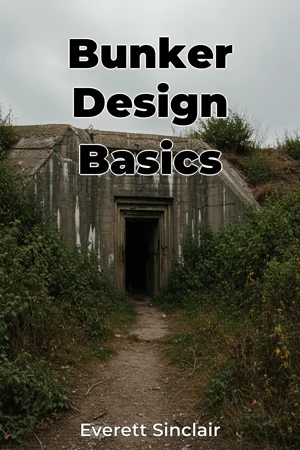
Could humanity survive a nuclear holocaust? Bunker Design Basics explores the intricate engineering principles and historical context surrounding the construction of Cold War-era underground shelters, offering a comprehensive understanding of these subterranean fortresses designed for survival. This book delves into the architectural, historical, and military aspects of bunker design, providing essential insights into a critical period of global tension and the measures taken to ensure potential protection. This book argues that understanding the principles of Cold War bunker design provides valuable lessons in resilient infrastructure, applicable to contemporary challenges such as disaster preparedness and long-term sustainability. It presents a detailed exploration of the factors influencing bunker construction during the Cold War, highlighting the critical balance between protection, functionality, and cost-effectiveness. The book's central argument underscores the enduring relevance of these engineering solutions in an era of increasing global uncertainty. The book begins by establishing the historical and social context of the Cold War, examining the pervasive fear of nuclear annihilation that fueled the construction of civilian and military shelters. It outlines the key architectural considerations, including structural integrity, ventilation, sanitation, and life support systems, essential for creating a habitable underground environment. The discussion includes detailed analysis of construction materials, such as reinforced concrete and steel, and their specific roles in withstanding potential blasts and radiation. The book is structured into three main sections. The first section introduces the fundamental concepts of nuclear physics and their impact on shelter design, as well as providing a historical overview of shelter construction efforts across different nations. The second section delves into the engineering principles of bunker design, addressing structural mechanics, environmental control, and life support systems. This section also examines the challenges of providing long-term habitability in a confined underground space, including food storage, waste management, and psychological well-being. The third section analyzes specific case studies of Cold War bunkers around the world, from government command centers to private family shelters, highlighting the diverse approaches to bunker design and construction. The evidence presented in this book is drawn from a variety of sources, including declassified government documents, architectural plans, engineering reports, and historical accounts. It incorporates data from scientific studies on the effects of nuclear explosions, radiation shielding, and environmental control systems. The book also includes photographs and illustrations of Cold War bunkers, providing visual documentation of these remarkable engineering achievements. This book’s content intersects with several fields, notably civil engineering, environmental science, and Cold War history. The engineering aspects are relevant to modern discussions about resilient infrastructure, while the historical context provides a crucial understanding of the geopolitical forces that shaped bunker construction. Furthermore, the book touches upon environmental science through its exploration of radiation shielding and life support systems. The book's unique approach lies in its comprehensive integration of historical context, engineering principles, and practical applications. It moves beyond a simple description of bunker design to explore the underlying scientific rationale and the human factors that influenced their creation. Written in a clear and accessible style, this book targets a broad audience, including students of architecture, history, and engineering, as well as anyone interested in Cold War history, disaster preparedness, and resilient infrastructure. It provides valuable insights for professionals involved in emergency management, civil defense, and sustainable building design. The book aims to provide a broad overview of bunker design principles during the Cold War, focusing primarily on technological and engineering aspects. It does not delve into the political or ethical debates surrounding nuclear deterrence or the morality of building shelters. The book includes a discussion of real-world applications of bunker design principles, such as the construction of data centers, underground laboratories, and other facilities requiring high levels of security and environmental control. It also explores the potential for adapting Cold War-era bunkers for modern uses, such as emergency shelters and sustainable housing. While the book aims to provide a balanced perspective, it acknowledges the existence of differing opinions regarding the effectiveness of civilian shelters in a nuclear war. It addresses the criticisms leveled against shelter programs, such as their potential to create a false sense of security and their impact on social equity. The book presents these debates in a fair and objective manner, allowing readers to draw their own conclusions.
Could humanity survive a nuclear holocaust? Bunker Design Basics explores the intricate engineering principles and historical context surrounding the construction of Cold War-era underground shelters, offering a comprehensive understanding of these subterranean fortresses designed for survival. This book delves into the architectural, historical, and military aspects of bunker design, providing essential insights into a critical period of global tension and the measures taken to ensure potential protection. This book argues that understanding the principles of Cold War bunker design provides valuable lessons in resilient infrastructure, applicable to contemporary challenges such as disaster preparedness and long-term sustainability. It presents a detailed exploration of the factors influencing bunker construction during the Cold War, highlighting the critical balance between protection, functionality, and cost-effectiveness. The book's central argument underscores the enduring relevance of these engineering solutions in an era of increasing global uncertainty. The book begins by establishing the historical and social context of the Cold War, examining the pervasive fear of nuclear annihilation that fueled the construction of civilian and military shelters. It outlines the key architectural considerations, including structural integrity, ventilation, sanitation, and life support systems, essential for creating a habitable underground environment. The discussion includes detailed analysis of construction materials, such as reinforced concrete and steel, and their specific roles in withstanding potential blasts and radiation. The book is structured into three main sections. The first section introduces the fundamental concepts of nuclear physics and their impact on shelter design, as well as providing a historical overview of shelter construction efforts across different nations. The second section delves into the engineering principles of bunker design, addressing structural mechanics, environmental control, and life support systems. This section also examines the challenges of providing long-term habitability in a confined underground space, including food storage, waste management, and psychological well-being. The third section analyzes specific case studies of Cold War bunkers around the world, from government command centers to private family shelters, highlighting the diverse approaches to bunker design and construction. The evidence presented in this book is drawn from a variety of sources, including declassified government documents, architectural plans, engineering reports, and historical accounts. It incorporates data from scientific studies on the effects of nuclear explosions, radiation shielding, and environmental control systems. The book also includes photographs and illustrations of Cold War bunkers, providing visual documentation of these remarkable engineering achievements. This book’s content intersects with several fields, notably civil engineering, environmental science, and Cold War history. The engineering aspects are relevant to modern discussions about resilient infrastructure, while the historical context provides a crucial understanding of the geopolitical forces that shaped bunker construction. Furthermore, the book touches upon environmental science through its exploration of radiation shielding and life support systems. The book's unique approach lies in its comprehensive integration of historical context, engineering principles, and practical applications. It moves beyond a simple description of bunker design to explore the underlying scientific rationale and the human factors that influenced their creation. Written in a clear and accessible style, this book targets a broad audience, including students of architecture, history, and engineering, as well as anyone interested in Cold War history, disaster preparedness, and resilient infrastructure. It provides valuable insights for professionals involved in emergency management, civil defense, and sustainable building design. The book aims to provide a broad overview of bunker design principles during the Cold War, focusing primarily on technological and engineering aspects. It does not delve into the political or ethical debates surrounding nuclear deterrence or the morality of building shelters. The book includes a discussion of real-world applications of bunker design principles, such as the construction of data centers, underground laboratories, and other facilities requiring high levels of security and environmental control. It also explores the potential for adapting Cold War-era bunkers for modern uses, such as emergency shelters and sustainable housing. While the book aims to provide a balanced perspective, it acknowledges the existence of differing opinions regarding the effectiveness of civilian shelters in a nuclear war. It addresses the criticisms leveled against shelter programs, such as their potential to create a false sense of security and their impact on social equity. The book presents these debates in a fair and objective manner, allowing readers to draw their own conclusions.
"Bunker Design Basics" explores the history and engineering behind Cold War underground shelters as a response to nuclear anxieties. It examines how these structures were built for potential protection against nuclear blasts, focusing on the balance between safety, practicality, and affordability. The book argues that Cold War bunker designs offer important lessons for today's resilient infrastructure, applicable to challenges like disaster readiness and sustainable design, highlighting how understanding past solutions can inform future innovations. The book details essential architectural elements like structural integrity, ventilation, and sanitation, crucial for habitable underground environments. It also investigates the use of materials like reinforced concrete and steel for blast and radiation resistance. "Bunker Design Basics" progresses through historical context, engineering principles, and case studies of Cold War bunkers, offering a comprehensive view of their design and construction. The book's unique value lies in its integration of historical context with engineering principles, revealing the scientific reasoning and human considerations behind bunker creation. By presenting declassified documents, architectural plans, and scientific data, it provides a broad overview of bunker design, useful for understanding challenges in civil engineering, environmental science, and military history.
Book Details
ISBN
9788235207074
Publisher
Publifye AS
Your Licenses
You don't own any licenses for this book
Purchase a license below to unlock this book and download the EPUB.
Purchase License
Select a tier to unlock this book
Need bulk licensing?
Contact us for enterprise agreements.