
About This Book
Why do specific places become venerated as final resting spots across cultures and time? "Sacred Tombs" delves into the multifaceted history, profound religious significance, and compelling legends intertwined with revered burial sites around the world. We explore how and why particular locations transcend their function as mere repositories for the dead, morphing into powerful symbols of faith, memory, and cultural identity. This book addresses the critical roles that tombs play in shaping religious practices and reinforcing societal structures. The topics range from the construction and architecture of these sites to the rituals, beliefs, and folklore associated with them. Understanding funerary traditions offers insights into a culture’s core values, including their concepts of death, afterlife, and the relationship between the living and the deceased. Historically, tombs have served as expressions of power, piety, and artistic achievement. Socially, they are gathering places for communal mourning, remembrance, and spiritual connection. The book navigates these intricate layers, drawing upon archaeological findings, religious texts, and anthropological studies to illuminate their significance. The central argument of "Sacred Tombs" posits that these sites are not static monuments but dynamic cultural landscapes, reflecting the ever-evolving relationship between humanity and mortality. They stand as tangible reminders of historical narratives, religious doctrines, and the enduring human quest for meaning in the face of death. The book begins by establishing a theoretical framework for understanding the sacralization of burial places, introducing key concepts such as ancestor veneration, pilgrimage, and the symbolic language of funerary art. It progresses to examine specific case studies across different geographical regions and historical periods. First, we explore ancient Egyptian tombs, tracing the development of elaborate funerary complexes like the pyramids and their role in pharaonic power. Then, we turn our attention to the catacombs of Rome and other early Christian burial sites, examining how these spaces served as symbols of resistance and nascent religious identity. Finally, we examine the Imperial tombs of China as expressions of the Mandate of Heaven and dynastic continuity. The concluding chapter synthesizes these diverse examples, highlighting common themes and exploring the ongoing relevance of sacred tombs in the modern world. To support its arguments, the book presents a wealth of evidence gleaned from primary source documents, including religious texts, historical chronicles, and archaeological reports. It incorporates comparative analyses of tomb architecture, funerary rituals, and associated legends, with an extensive use of photographs and illustrations. "Sacred Tombs" intersects with several related fields, including art history, to analyze the symbolic language of funerary monuments; anthropology, to understand the cultural practices surrounding death and burial; and religious studies, to explore the theological concepts of afterlife and resurrection. This book offers a unique perspective by moving beyond the conventional focus on individual tombs, instead examining the broader socio-cultural forces that shape their significance. It emphasizes the agency of the living in constructing and interpreting these sites, highlighting the diverse ways in which they are used for religious, political, and social purposes. The book adopts a professional yet accessible tone, balancing scholarly rigor with engaging storytelling. It aims to be informative and thought-provoking, inviting readers to contemplate their own beliefs and practices surrounding death and remembrance. The target audience includes students and scholars of history, religion, and anthropology, as well as general readers with an interest in funerary customs and cultural heritage. This book will appeal to those seeking a deeper understanding of how societies grapple with mortality and construct meaning through the veneration of sacred spaces. As a work of non-fiction, "Sacred Tombs" adheres to the conventions of historical accuracy, source citation, and balanced interpretation. While it strives to provide a comprehensive overview of the topic, it acknowledges the limitations of its scope, focusing primarily on prominent examples of sacred tombs while recognizing the vast diversity of funerary traditions worldwide. The ideas discussed in the book are relevant to contemporary debates about cultural preservation, religious freedom, and the ethical treatment of human remains. It encourages readers to consider the importance of respecting diverse cultural traditions and to engage in informed discussions about the management and interpretation of sacred sites. The book acknowledges the controversies that may arise when studying religiously sensitive sites, emphasizing ethical considerations in researching and representing funerary traditions. It addresses debates about the repatriation of human remains, the commodification of sacred spaces, and the tensions between preservation and development.
Why do specific places become venerated as final resting spots across cultures and time? "Sacred Tombs" delves into the multifaceted history, profound religious significance, and compelling legends intertwined with revered burial sites around the world. We explore how and why particular locations transcend their function as mere repositories for the dead, morphing into powerful symbols of faith, memory, and cultural identity. This book addresses the critical roles that tombs play in shaping religious practices and reinforcing societal structures. The topics range from the construction and architecture of these sites to the rituals, beliefs, and folklore associated with them. Understanding funerary traditions offers insights into a culture’s core values, including their concepts of death, afterlife, and the relationship between the living and the deceased. Historically, tombs have served as expressions of power, piety, and artistic achievement. Socially, they are gathering places for communal mourning, remembrance, and spiritual connection. The book navigates these intricate layers, drawing upon archaeological findings, religious texts, and anthropological studies to illuminate their significance. The central argument of "Sacred Tombs" posits that these sites are not static monuments but dynamic cultural landscapes, reflecting the ever-evolving relationship between humanity and mortality. They stand as tangible reminders of historical narratives, religious doctrines, and the enduring human quest for meaning in the face of death. The book begins by establishing a theoretical framework for understanding the sacralization of burial places, introducing key concepts such as ancestor veneration, pilgrimage, and the symbolic language of funerary art. It progresses to examine specific case studies across different geographical regions and historical periods. First, we explore ancient Egyptian tombs, tracing the development of elaborate funerary complexes like the pyramids and their role in pharaonic power. Then, we turn our attention to the catacombs of Rome and other early Christian burial sites, examining how these spaces served as symbols of resistance and nascent religious identity. Finally, we examine the Imperial tombs of China as expressions of the Mandate of Heaven and dynastic continuity. The concluding chapter synthesizes these diverse examples, highlighting common themes and exploring the ongoing relevance of sacred tombs in the modern world. To support its arguments, the book presents a wealth of evidence gleaned from primary source documents, including religious texts, historical chronicles, and archaeological reports. It incorporates comparative analyses of tomb architecture, funerary rituals, and associated legends, with an extensive use of photographs and illustrations. "Sacred Tombs" intersects with several related fields, including art history, to analyze the symbolic language of funerary monuments; anthropology, to understand the cultural practices surrounding death and burial; and religious studies, to explore the theological concepts of afterlife and resurrection. This book offers a unique perspective by moving beyond the conventional focus on individual tombs, instead examining the broader socio-cultural forces that shape their significance. It emphasizes the agency of the living in constructing and interpreting these sites, highlighting the diverse ways in which they are used for religious, political, and social purposes. The book adopts a professional yet accessible tone, balancing scholarly rigor with engaging storytelling. It aims to be informative and thought-provoking, inviting readers to contemplate their own beliefs and practices surrounding death and remembrance. The target audience includes students and scholars of history, religion, and anthropology, as well as general readers with an interest in funerary customs and cultural heritage. This book will appeal to those seeking a deeper understanding of how societies grapple with mortality and construct meaning through the veneration of sacred spaces. As a work of non-fiction, "Sacred Tombs" adheres to the conventions of historical accuracy, source citation, and balanced interpretation. While it strives to provide a comprehensive overview of the topic, it acknowledges the limitations of its scope, focusing primarily on prominent examples of sacred tombs while recognizing the vast diversity of funerary traditions worldwide. The ideas discussed in the book are relevant to contemporary debates about cultural preservation, religious freedom, and the ethical treatment of human remains. It encourages readers to consider the importance of respecting diverse cultural traditions and to engage in informed discussions about the management and interpretation of sacred sites. The book acknowledges the controversies that may arise when studying religiously sensitive sites, emphasizing ethical considerations in researching and representing funerary traditions. It addresses debates about the repatriation of human remains, the commodification of sacred spaces, and the tensions between preservation and development.
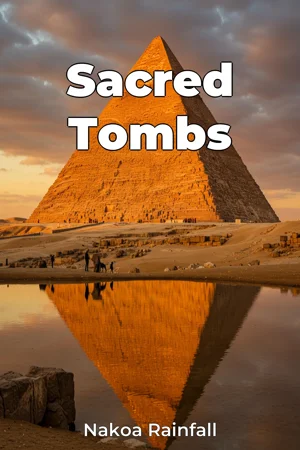
"Sacred Tombs" explores why certain burial sites become venerated across cultures, transforming from simple repositories into powerful symbols of faith and cultural identity. Examining funerary traditions offers insights into a culture’s core values, including their concepts of death, the afterlife, and the relationship between the living and the deceased. These sites are not static monuments but dynamic cultural landscapes reflecting humanity's evolving relationship with mortality. The book navigates the intricate layers of history, religion, and social significance associated with tombs, drawing upon archaeological findings, religious texts, and anthropological studies. For instance, ancient Egyptian pyramids illustrate how elaborate funerary complexes can express pharaonic power. Similarly, early Christian catacombs served as symbols of resistance and nascent religious identity. Beginning with a theoretical framework, the book progresses through case studies, including ancient Egyptian tombs, the catacombs of Rome, and Imperial tombs of China, before concluding with common themes and the ongoing relevance of sacred tombs in the modern world. The approach is both scholarly and accessible, inviting readers to contemplate their own beliefs surrounding death and remembrance.
Book Details
ISBN
9788235207043
Publisher
Publifye AS
Your Licenses
You don't own any licenses for this book
Purchase a license below to unlock this book and download the EPUB.
Purchase License
Select a tier to unlock this book
Need bulk licensing?
Contact us for enterprise agreements.