
About This Book
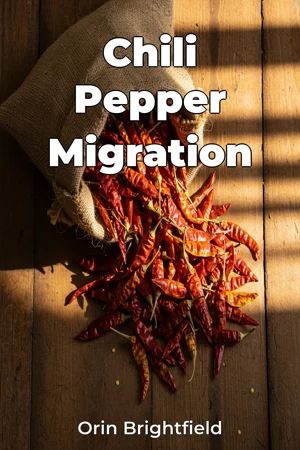
Did you know that the fiery spice enriching countless dishes worldwide originated solely in the Americas? "Chili Pepper Migration" unveils the captivating journey of capsicum species, tracing their dispersal from their New World origins to their integral role in Asian, African, and European cuisines. This book explores not just the *how* of this migration but also the *why*, examining the complex interplay of trade, colonialism, cultural exchange, and culinary adaptation that propelled chili peppers to global prominence. We delve into three main arenas: the botanical history and early domestication of chili peppers, the mechanics of their global spread via trade routes and colonial networks, and their subsequent integration into diverse culinary traditions around the world. The botanical side explores the genetic diversity within the capsicum genus, detailing the evolution of different species (such as *Capsicum annuum*, *Capsicum frutescens*, and *Capsicum chinense*) and the human selection pressures that shaped their characteristics. The story of global circulation investigates the roles of Spanish and Portuguese traders in introducing chili peppers to Asia and Africa. Finally, the book examines the fascinating adaptations of chili peppers in various cultures, analyzing how they were incorporated into local dishes and transformed into essential ingredients. The central argument of "Chili Pepper Migration" posits that the globalization of chili peppers represents a significant case study in the interconnectedness of food, culture, and global trade. It illustrates how a single plant species can be transported across continents and adapted to drastically different environments and culinary landscapes, fundamentally altering the flavors and cuisines of entire regions. The structure of the book begins with an introduction to the botanical origins of chili peppers and their early use in the Americas. The subsequent chapters trace the routes of dispersal, examining the role of the Columbian Exchange and the spice trade empires in facilitating their spread. We then move to explore specific regional adaptations, dedicating chapters to the integration of chili peppers into Indian, Thai, West African, and European cuisines. The book culminates by discussing the lasting impact of chili pepper migration on global food systems, from stimulating local economies to influencing modern culinary trends. The evidence presented includes historical trade records, botanical surveys, archaeobotanical findings, and culinary analyses. We will examine ship manifests, colonial administrative documents, and early botanical texts to map the routes and timelines of dissemination. In addition, we will explore traditional recipes and culinary practices to demonstrate the diverse ways in which chili peppers have been incorporated into regional cuisines. "Chili Pepper Migration" also connects to other fields such as economic history through the lens of global trade networks, anthropology by studying food cultures and dietary changes, and botany via the evolution and genetics of plant species. It demonstrates how cross-disciplinary research methods provide richer views into the complexities of food globalization. This book adopts a narrative non-fiction style, aiming to be both informative and engaging for a broad audience interested in food history, culinary arts, and world history. It is crafted for food enthusiasts, chefs, historians, and anyone curious about the origins and evolution of the foods we eat. The scope of the book covers the period from the 15th century onwards, focusing primarily on the global dissemination of chili peppers following European contact with the Americas. While the book emphasizes the major trade routes and culinary traditions, it acknowledges the limitations in fully documenting every local adaptation. Readers will gain a deeper understanding of the historical forces that have shaped global food systems, and appreciate the complex cultural exchanges involved in the spread of culinary ingredients. The book demonstrates how seemingly simple ingredients can carry profound historical and cultural significance—influencing regional identities, promoting economic development, and transforming cuisines in ways previously unimaginable.
Did you know that the fiery spice enriching countless dishes worldwide originated solely in the Americas? "Chili Pepper Migration" unveils the captivating journey of capsicum species, tracing their dispersal from their New World origins to their integral role in Asian, African, and European cuisines. This book explores not just the *how* of this migration but also the *why*, examining the complex interplay of trade, colonialism, cultural exchange, and culinary adaptation that propelled chili peppers to global prominence. We delve into three main arenas: the botanical history and early domestication of chili peppers, the mechanics of their global spread via trade routes and colonial networks, and their subsequent integration into diverse culinary traditions around the world. The botanical side explores the genetic diversity within the capsicum genus, detailing the evolution of different species (such as *Capsicum annuum*, *Capsicum frutescens*, and *Capsicum chinense*) and the human selection pressures that shaped their characteristics. The story of global circulation investigates the roles of Spanish and Portuguese traders in introducing chili peppers to Asia and Africa. Finally, the book examines the fascinating adaptations of chili peppers in various cultures, analyzing how they were incorporated into local dishes and transformed into essential ingredients. The central argument of "Chili Pepper Migration" posits that the globalization of chili peppers represents a significant case study in the interconnectedness of food, culture, and global trade. It illustrates how a single plant species can be transported across continents and adapted to drastically different environments and culinary landscapes, fundamentally altering the flavors and cuisines of entire regions. The structure of the book begins with an introduction to the botanical origins of chili peppers and their early use in the Americas. The subsequent chapters trace the routes of dispersal, examining the role of the Columbian Exchange and the spice trade empires in facilitating their spread. We then move to explore specific regional adaptations, dedicating chapters to the integration of chili peppers into Indian, Thai, West African, and European cuisines. The book culminates by discussing the lasting impact of chili pepper migration on global food systems, from stimulating local economies to influencing modern culinary trends. The evidence presented includes historical trade records, botanical surveys, archaeobotanical findings, and culinary analyses. We will examine ship manifests, colonial administrative documents, and early botanical texts to map the routes and timelines of dissemination. In addition, we will explore traditional recipes and culinary practices to demonstrate the diverse ways in which chili peppers have been incorporated into regional cuisines. "Chili Pepper Migration" also connects to other fields such as economic history through the lens of global trade networks, anthropology by studying food cultures and dietary changes, and botany via the evolution and genetics of plant species. It demonstrates how cross-disciplinary research methods provide richer views into the complexities of food globalization. This book adopts a narrative non-fiction style, aiming to be both informative and engaging for a broad audience interested in food history, culinary arts, and world history. It is crafted for food enthusiasts, chefs, historians, and anyone curious about the origins and evolution of the foods we eat. The scope of the book covers the period from the 15th century onwards, focusing primarily on the global dissemination of chili peppers following European contact with the Americas. While the book emphasizes the major trade routes and culinary traditions, it acknowledges the limitations in fully documenting every local adaptation. Readers will gain a deeper understanding of the historical forces that have shaped global food systems, and appreciate the complex cultural exchanges involved in the spread of culinary ingredients. The book demonstrates how seemingly simple ingredients can carry profound historical and cultural significance—influencing regional identities, promoting economic development, and transforming cuisines in ways previously unimaginable.
"Chili Pepper Migration" explores the fascinating global journey of chili peppers, tracing their origins in the Americas to their now-ubiquitous presence in world cuisines. It reveals how the Columbian Exchange and subsequent global trade dramatically altered culinary landscapes. Surprisingly, the diverse array of chili peppers we know today all stem from a single origin, highlighting the power of human selection and botanical adaptation. This book examines the botanical history, global spread, and culinary adaptation of chili peppers across continents. It details how Spanish and Portuguese traders played a crucial role in introducing this spice to Asia and Africa. The narrative unfolds chronologically, beginning with the early domestication of capsicum and progressing through trade routes to the integration of chili peppers into regional dishes like those of India, Thailand, and West Africa. By examining historical records and culinary practices, "Chili Pepper Migration" illustrates the interconnectedness of food, culture, and global trade. It demonstrates how a single plant species transformed cuisines worldwide, impacting economies and shaping regional identities. The book's unique value lies in its comprehensive approach, blending botanical science with culinary and historical insights to reveal the profound impact of this unassuming spice.
Book Details
ISBN
9788235207005
Publisher
Publifye AS
Your Licenses
You don't own any licenses for this book
Purchase a license below to unlock this book and download the EPUB.
Purchase License
Select a tier to unlock this book
Need bulk licensing?
Contact us for enterprise agreements.