
About This Book
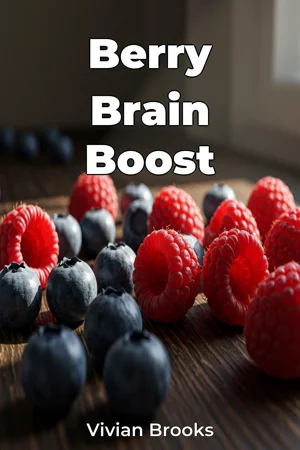
Can the vibrant hues of berries unlock the secrets to a sharper mind and improved memory? This book, "Berry Brain Boost," delves into the fascinating world of anthocyanin-rich berries and their scientifically proven effects on neuronal health and cognitive function. We explore how these natural compounds can potentially become essential components of a brain-healthy lifestyle. The core of this book revolves around three critical areas: the neuroprotective properties of anthocyanins, the impact of berry consumption on memory and learning, and the practical application of these findings in everyday dietary choices. These topics are significant because age-related cognitive decline is a growing concern, and research suggests that dietary interventions, like incorporating anthocyanin-rich foods, hold promise in mitigating these effects. Furthermore, understanding how specific nutrients affect brain function can empower individuals to make informed decisions about their health. To provide context, we’ll journey through the history of natural medicine and the evolution of neuroscience research as they relate to diet and brain health. We examine the scientific basis of how free radicals impact the brain and lay the groundwork for understanding the antioxidant properties of anthocyanins. Readers will gain an understanding of fundamental concepts in neuroscience, such as synaptic plasticity and neurogenesis, as well as basic principles of nutrition science. "Berry Brain Boost" argues that regular consumption of anthocyanin-rich berries can contribute to improved cognitive function and protect against age-related memory decline. This argument is built on the premise that anthocyanins, powerful antioxidants and anti-inflammatory agents, can counteract oxidative stress and inflammation in the brain, which are key contributors to neuronal damage and cognitive impairment. This has implications not only for aging populations but also for anyone seeking to optimize their cognitive performance throughout their lifespan. The book is structured to guide the reader through a logical progression of ideas. First, we introduce anthocyanins and their sources, detailing their chemical structures and bioavailability. Next, we present the evidence for their neuroprotective effects, drawing from in vitro, in vivo, and human studies. This includes an in-depth look at how anthocyanins interact with brain cells, promote healthy blood flow to the brain, and support neuroplasticity. The book culminates in a practical guide for incorporating berries into one's diet, offering meal plans and recipes. It also addresses potential limitations and areas for future research. The evidence presented is based on a comprehensive review of peer-reviewed scientific literature, including clinical trials, epidemiological studies, and laboratory experiments. We analyze data from studies involving various berry types, such as blueberries, strawberries, and raspberries, and evaluate the effectiveness of different dosages and consumption patterns. Statistical data and graphical representations are used to clearly present research findings. The concepts explored connect to the fields of nutrition science, neurology, and pharmacology. Nutrition science provides the foundation for understanding the dietary sources and bioavailability of anthocyanins. Neurology offers insights into the mechanisms of action of anthocyanins on brain cells and cognitive function. Pharmacology deepens the understanding of how these compounds are metabolized. "Berry Brain Boost" stands out by presenting a balanced and critical evaluation of the existing research. It avoids overstating the benefits of berry consumption while highlighting the potential of anthocyanins as part of a holistic approach to brain health. The writing style is both informative and accessible, aiming to bridge the gap between complex scientific research and practical health advice. The target audience includes health-conscious individuals, those concerned about cognitive decline, and anyone interested in learning about the connection between diet and brain health. This book will be valuable to them by offering evidence-based strategies for improving their cognitive well-being. Adhering to the conventions of health and science non-fiction, the book emphasizes accuracy, clarity, and transparency. Claims are supported by scientific evidence, and potential limitations are acknowledged. The scope of the book is intentionally limited to the effects of anthocyanin-rich berries on cognitive function. It does not cover other aspects of brain health or other types of cognitive enhancement strategies. Readers can apply the information by making informed choices about their diet, incorporating berries into their daily meals, and understanding the potential benefits for memory and cognitive function. The book also addresses potential controversies, such as the optimal dosage of anthocyanins for cognitive benefits and the interaction of berries with certain medications.
Can the vibrant hues of berries unlock the secrets to a sharper mind and improved memory? This book, "Berry Brain Boost," delves into the fascinating world of anthocyanin-rich berries and their scientifically proven effects on neuronal health and cognitive function. We explore how these natural compounds can potentially become essential components of a brain-healthy lifestyle. The core of this book revolves around three critical areas: the neuroprotective properties of anthocyanins, the impact of berry consumption on memory and learning, and the practical application of these findings in everyday dietary choices. These topics are significant because age-related cognitive decline is a growing concern, and research suggests that dietary interventions, like incorporating anthocyanin-rich foods, hold promise in mitigating these effects. Furthermore, understanding how specific nutrients affect brain function can empower individuals to make informed decisions about their health. To provide context, we’ll journey through the history of natural medicine and the evolution of neuroscience research as they relate to diet and brain health. We examine the scientific basis of how free radicals impact the brain and lay the groundwork for understanding the antioxidant properties of anthocyanins. Readers will gain an understanding of fundamental concepts in neuroscience, such as synaptic plasticity and neurogenesis, as well as basic principles of nutrition science. "Berry Brain Boost" argues that regular consumption of anthocyanin-rich berries can contribute to improved cognitive function and protect against age-related memory decline. This argument is built on the premise that anthocyanins, powerful antioxidants and anti-inflammatory agents, can counteract oxidative stress and inflammation in the brain, which are key contributors to neuronal damage and cognitive impairment. This has implications not only for aging populations but also for anyone seeking to optimize their cognitive performance throughout their lifespan. The book is structured to guide the reader through a logical progression of ideas. First, we introduce anthocyanins and their sources, detailing their chemical structures and bioavailability. Next, we present the evidence for their neuroprotective effects, drawing from in vitro, in vivo, and human studies. This includes an in-depth look at how anthocyanins interact with brain cells, promote healthy blood flow to the brain, and support neuroplasticity. The book culminates in a practical guide for incorporating berries into one's diet, offering meal plans and recipes. It also addresses potential limitations and areas for future research. The evidence presented is based on a comprehensive review of peer-reviewed scientific literature, including clinical trials, epidemiological studies, and laboratory experiments. We analyze data from studies involving various berry types, such as blueberries, strawberries, and raspberries, and evaluate the effectiveness of different dosages and consumption patterns. Statistical data and graphical representations are used to clearly present research findings. The concepts explored connect to the fields of nutrition science, neurology, and pharmacology. Nutrition science provides the foundation for understanding the dietary sources and bioavailability of anthocyanins. Neurology offers insights into the mechanisms of action of anthocyanins on brain cells and cognitive function. Pharmacology deepens the understanding of how these compounds are metabolized. "Berry Brain Boost" stands out by presenting a balanced and critical evaluation of the existing research. It avoids overstating the benefits of berry consumption while highlighting the potential of anthocyanins as part of a holistic approach to brain health. The writing style is both informative and accessible, aiming to bridge the gap between complex scientific research and practical health advice. The target audience includes health-conscious individuals, those concerned about cognitive decline, and anyone interested in learning about the connection between diet and brain health. This book will be valuable to them by offering evidence-based strategies for improving their cognitive well-being. Adhering to the conventions of health and science non-fiction, the book emphasizes accuracy, clarity, and transparency. Claims are supported by scientific evidence, and potential limitations are acknowledged. The scope of the book is intentionally limited to the effects of anthocyanin-rich berries on cognitive function. It does not cover other aspects of brain health or other types of cognitive enhancement strategies. Readers can apply the information by making informed choices about their diet, incorporating berries into their daily meals, and understanding the potential benefits for memory and cognitive function. The book also addresses potential controversies, such as the optimal dosage of anthocyanins for cognitive benefits and the interaction of berries with certain medications.
"Berry Brain Boost" explores the exciting connection between anthocyanin-rich berries and improved brain health and cognitive function. It dives into how these natural compounds found in berries like blueberries and strawberries can potentially protect against cognitive decline and boost memory. Did you know that anthocyanins, with their antioxidant properties, may counteract oxidative stress in the brain, a key factor in neuronal damage? The book examines the neuroprotective effects of berries, their impact on memory and learning, and offers practical ways to incorporate them into your daily diet. This book takes a balanced approach, presenting scientific evidence on how regular berry consumption can contribute to a sharper mind. It journeys through neuroscience research and nutrition science, explaining concepts like synaptic plasticity and how free radicals affect the brain. The book is structured to guide you through the science, starting with an introduction to anthocyanins, then delving into their neuroprotective effects based on various studies, and culminating in a practical guide for incorporating these powerful berries into your diet for optimal brain health.
Book Details
ISBN
9788235206992
Publisher
Publifye AS
Your Licenses
You don't own any licenses for this book
Purchase a license below to unlock this book and download the EPUB.
Purchase License
Select a tier to unlock this book
Need bulk licensing?
Contact us for enterprise agreements.