
About This Book
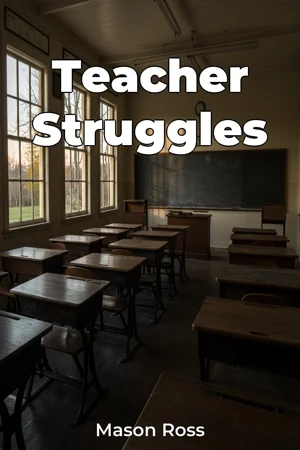
Have teachers consistently shaped education, or have they been shaped by it? "Teacher Struggles" delves into the tumultuous history of the teaching profession, revealing the persistent challenges educators have faced and their relentless pursuit of meaningful educational reform. This book examines three core themes: the economic hardships endured by teachers, the ideological battles fought over curriculum, and the collective action teachers have taken to improve their profession and the education system. These topics are vital because they illuminate the complex interplay between social forces, educational policy, and the lived experiences of those in the classroom. Understanding the history of American education requires acknowledging the diverse backgrounds and experiences within the teaching workforce, from one-room schoolhouses to modern urban schools. It necessitates an understanding of evolving pedagogical theories and the shifting expectations placed on teachers by society. The central argument of "Teacher Struggles" is that teachers, despite facing systemic obstacles, have consistently acted as agents of change, shaping educational practices and advocating for student welfare. This argument is important because it challenges the often-passive portrayal of teachers in historical accounts and highlights their essential role in driving progress. This book is structured to present a comprehensive analysis of teacher activism and resistance. It begins by exploring the historical context of teacher compensation, revealing the stark realities of low wages, gender pay gaps, and the struggle for economic security. It then transitions to an in-depth examination of curriculum controversies, from debates over textbooks and standardized testing to conflicts surrounding multicultural education and inclusive practices. Finally, the book culminates with an analysis of teacher organizing, strikes, and advocacy efforts, demonstrating the power of collective action in achieving educational reform. The evidence presented in "Teacher Struggles" is drawn from a variety of primary and secondary sources, including archival documents, oral histories, letters, and statistical data. In addition, the book incorporates case studies of specific schools, districts, and teacher organizations to provide concrete examples of the challenges and triumphs faced by educators. "Teacher Struggles" connects to several other fields of study, including labor history, women's studies, and social movements. By examining the teaching profession through these interdisciplinary lenses, the book adds nuance to our understanding of educational history and the broader dynamics of social change. What sets "Teacher Struggles" apart is its focus on the agency of teachers. The book moves beyond a simple recounting of events to explore the motivations, strategies, and impact of teacher-led initiatives. This perspective offers a fresh look at the history of American education. Written in an academic yet accessible style, this book aims to strike a balance between scholarly rigor and engaging storytelling. It is designed for a broad audience, including educators, students of education, historians, policymakers, and anyone interested in understanding the forces that have shaped American schools. As a work of history, "Teacher Struggles" adheres to the standards of historical scholarship, emphasizing accuracy, objectivity, and thorough research. This book focuses primarily on the experiences of teachers in the 19th and 20th centuries, with some consideration of earlier periods for context. The information presented in "Teacher Struggles" has many practical applications. It can inform current debates about teacher compensation, curriculum development, and educational policy. By understanding the historical roots of these issues, readers can gain new insights into the challenges facing educators today and develop more effective strategies for addressing them. The history of education is filled with controversies, and "Teacher Struggles" does not shy away from these debates. The book explores the tensions between different pedagogical approaches, the impact of standardized testing, and the ongoing struggle for equity and inclusion in schools. By examining these controversies, the books aims to promote critical thinking and informed discussion about the future of education.
Have teachers consistently shaped education, or have they been shaped by it? "Teacher Struggles" delves into the tumultuous history of the teaching profession, revealing the persistent challenges educators have faced and their relentless pursuit of meaningful educational reform. This book examines three core themes: the economic hardships endured by teachers, the ideological battles fought over curriculum, and the collective action teachers have taken to improve their profession and the education system. These topics are vital because they illuminate the complex interplay between social forces, educational policy, and the lived experiences of those in the classroom. Understanding the history of American education requires acknowledging the diverse backgrounds and experiences within the teaching workforce, from one-room schoolhouses to modern urban schools. It necessitates an understanding of evolving pedagogical theories and the shifting expectations placed on teachers by society. The central argument of "Teacher Struggles" is that teachers, despite facing systemic obstacles, have consistently acted as agents of change, shaping educational practices and advocating for student welfare. This argument is important because it challenges the often-passive portrayal of teachers in historical accounts and highlights their essential role in driving progress. This book is structured to present a comprehensive analysis of teacher activism and resistance. It begins by exploring the historical context of teacher compensation, revealing the stark realities of low wages, gender pay gaps, and the struggle for economic security. It then transitions to an in-depth examination of curriculum controversies, from debates over textbooks and standardized testing to conflicts surrounding multicultural education and inclusive practices. Finally, the book culminates with an analysis of teacher organizing, strikes, and advocacy efforts, demonstrating the power of collective action in achieving educational reform. The evidence presented in "Teacher Struggles" is drawn from a variety of primary and secondary sources, including archival documents, oral histories, letters, and statistical data. In addition, the book incorporates case studies of specific schools, districts, and teacher organizations to provide concrete examples of the challenges and triumphs faced by educators. "Teacher Struggles" connects to several other fields of study, including labor history, women's studies, and social movements. By examining the teaching profession through these interdisciplinary lenses, the book adds nuance to our understanding of educational history and the broader dynamics of social change. What sets "Teacher Struggles" apart is its focus on the agency of teachers. The book moves beyond a simple recounting of events to explore the motivations, strategies, and impact of teacher-led initiatives. This perspective offers a fresh look at the history of American education. Written in an academic yet accessible style, this book aims to strike a balance between scholarly rigor and engaging storytelling. It is designed for a broad audience, including educators, students of education, historians, policymakers, and anyone interested in understanding the forces that have shaped American schools. As a work of history, "Teacher Struggles" adheres to the standards of historical scholarship, emphasizing accuracy, objectivity, and thorough research. This book focuses primarily on the experiences of teachers in the 19th and 20th centuries, with some consideration of earlier periods for context. The information presented in "Teacher Struggles" has many practical applications. It can inform current debates about teacher compensation, curriculum development, and educational policy. By understanding the historical roots of these issues, readers can gain new insights into the challenges facing educators today and develop more effective strategies for addressing them. The history of education is filled with controversies, and "Teacher Struggles" does not shy away from these debates. The book explores the tensions between different pedagogical approaches, the impact of standardized testing, and the ongoing struggle for equity and inclusion in schools. By examining these controversies, the books aims to promote critical thinking and informed discussion about the future of education.
"Teacher Struggles" explores the dynamic history of American education through the lens of the teaching profession. It highlights how teachers have actively shaped educational practices and advocated for reform, rather than passively being shaped by the system. The book delves into the economic hardships faced by teachers, including persistent wage gaps, and examines ideological battles surrounding curriculum, from textbook controversies to debates over inclusive practices. The book reveals that teachers organized and engaged in social movements to improve their profession and the education system, showcasing their agency in driving social change. The book uses archival documents, oral histories, and case studies to illustrate the challenges and triumphs of educators. Progressing systematically, the book first examines teacher compensation, then curriculum controversies, and finally, teacher activism.
Book Details
ISBN
9788235206893
Publisher
Publifye AS
Your Licenses
You don't own any licenses for this book
Purchase a license below to unlock this book and download the EPUB.
Purchase License
Select a tier to unlock this book
Need bulk licensing?
Contact us for enterprise agreements.