
About This Book
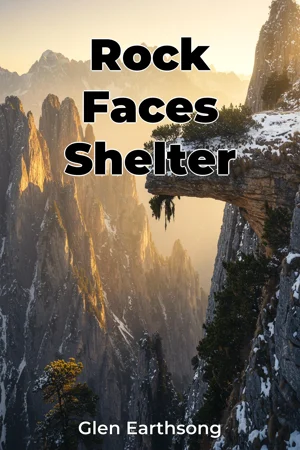
Have you ever considered the critical role that seemingly inhospitable rock faces play in offering life-saving shelter during severe weather events? "Rock Faces Shelter" delves into the under-explored world of mountain overhangs, examining their significance as natural refuges against storms. This book merges Earth Sciences Geography, Ecosystems & Habitats and Mountains, providing a comprehensive analysis of how these geological formations function as vital components within mountainous ecosystems. This interdisciplinary study addresses several key topics: the formation and geomorphology of rock overhangs, the microclimates they create, and their ecological importance as shelters for various species. It's crucial to understand how these natural shelters operate, especially in a world facing increasingly unpredictable and intense weather patterns. This understanding is not merely academic; it has direct implications for conservation efforts, risk assessment in mountainous regions, and even architectural designs that mimic nature's resilience. The book builds upon decades of research in geomorphology, climatology, and ecology. It assumes a basic understanding of geological processes and ecological principles, but it presents the information in an accessible manner for a broad audience. The central argument of "Rock Faces Shelter" is that mountain overhangs, often overlooked in broader ecological studies, are critical micro-refugia that significantly enhance the resilience of mountain ecosystems to extreme weather events. This assertion is supported by the book's detailed analysis of the physical characteristics of overhangs, their influence on local climate, and their role in supporting biodiversity. "Rock Faces Shelter" begins by introducing the geological processes that lead to the formation of rock overhangs, outlining their diverse shapes and sizes, and establishing a typology based on their geomorphological characteristics. Following this, the book explores the microclimates within and around these overhangs, focusing on temperature regulation, humidity levels, and wind patterns. The core of the book consists of multiple case studies from mountain ranges around the world. Data collected through field observations, climate modeling, and species inventories are presented to demonstrate the ecological significance of overhangs. The book culminates by discussing the implications based on these findings. Specific attention is devoted to how these micro-refugia contribute to the overall stability of mountain ecosystems and how they might be integrated into conservation strategies. The evidence presented comes from diverse sources, including detailed topographic surveys of rock faces, long-term monitoring of temperature and humidity within overhangs, and surveys of plant and animal communities using these shelters. Unique data sources include time-lapse photography documenting animal behavior during storms and high-resolution climate models simulating wind flow around complex rock formations. The interdisciplinary nature of the book is highlighted by its connections ecology, climatology, and civil engineering. The book explores how traditional construction has emulated natural overhangs and how modern architects can learn from these natural forms. It also touches on the ethical considerations surrounding human impact on these natural shelters. "Rock Faces Shelter" adopts a fact-based approach, emphasizing empirical data and rigorous analysis. The writing style is professional and accessible, aiming to engage readers with clear explanations and compelling examples. The target audience includes earth science, geography, and ecology students and lecturers, as well as environmental managers, conservationists, and outdoor enthusiasts. The book offers valuable insights for anyone interested in understanding the intricate relationships within mountain ecosystems and the role of natural shelters in promoting resilience. This book focuses specifically on rock overhangs in mountain environments, excluding other types of natural shelters such as caves or forests. The focus is on fact-based, rigorously researched studies, moving away from anecdotal data. The information presented can have practical applications for risk assessment in mountainous regions, guiding decisions about infrastructure development and recreational activities. It also informs conservation efforts aimed at protecting these vulnerable ecosystems and preserving the unique biodiversity they support. The book stimulates thought about human intervention in natural processes.
Have you ever considered the critical role that seemingly inhospitable rock faces play in offering life-saving shelter during severe weather events? "Rock Faces Shelter" delves into the under-explored world of mountain overhangs, examining their significance as natural refuges against storms. This book merges Earth Sciences Geography, Ecosystems & Habitats and Mountains, providing a comprehensive analysis of how these geological formations function as vital components within mountainous ecosystems. This interdisciplinary study addresses several key topics: the formation and geomorphology of rock overhangs, the microclimates they create, and their ecological importance as shelters for various species. It's crucial to understand how these natural shelters operate, especially in a world facing increasingly unpredictable and intense weather patterns. This understanding is not merely academic; it has direct implications for conservation efforts, risk assessment in mountainous regions, and even architectural designs that mimic nature's resilience. The book builds upon decades of research in geomorphology, climatology, and ecology. It assumes a basic understanding of geological processes and ecological principles, but it presents the information in an accessible manner for a broad audience. The central argument of "Rock Faces Shelter" is that mountain overhangs, often overlooked in broader ecological studies, are critical micro-refugia that significantly enhance the resilience of mountain ecosystems to extreme weather events. This assertion is supported by the book's detailed analysis of the physical characteristics of overhangs, their influence on local climate, and their role in supporting biodiversity. "Rock Faces Shelter" begins by introducing the geological processes that lead to the formation of rock overhangs, outlining their diverse shapes and sizes, and establishing a typology based on their geomorphological characteristics. Following this, the book explores the microclimates within and around these overhangs, focusing on temperature regulation, humidity levels, and wind patterns. The core of the book consists of multiple case studies from mountain ranges around the world. Data collected through field observations, climate modeling, and species inventories are presented to demonstrate the ecological significance of overhangs. The book culminates by discussing the implications based on these findings. Specific attention is devoted to how these micro-refugia contribute to the overall stability of mountain ecosystems and how they might be integrated into conservation strategies. The evidence presented comes from diverse sources, including detailed topographic surveys of rock faces, long-term monitoring of temperature and humidity within overhangs, and surveys of plant and animal communities using these shelters. Unique data sources include time-lapse photography documenting animal behavior during storms and high-resolution climate models simulating wind flow around complex rock formations. The interdisciplinary nature of the book is highlighted by its connections ecology, climatology, and civil engineering. The book explores how traditional construction has emulated natural overhangs and how modern architects can learn from these natural forms. It also touches on the ethical considerations surrounding human impact on these natural shelters. "Rock Faces Shelter" adopts a fact-based approach, emphasizing empirical data and rigorous analysis. The writing style is professional and accessible, aiming to engage readers with clear explanations and compelling examples. The target audience includes earth science, geography, and ecology students and lecturers, as well as environmental managers, conservationists, and outdoor enthusiasts. The book offers valuable insights for anyone interested in understanding the intricate relationships within mountain ecosystems and the role of natural shelters in promoting resilience. This book focuses specifically on rock overhangs in mountain environments, excluding other types of natural shelters such as caves or forests. The focus is on fact-based, rigorously researched studies, moving away from anecdotal data. The information presented can have practical applications for risk assessment in mountainous regions, guiding decisions about infrastructure development and recreational activities. It also informs conservation efforts aimed at protecting these vulnerable ecosystems and preserving the unique biodiversity they support. The book stimulates thought about human intervention in natural processes.
"Rock Faces Shelter" explores the often-overlooked role of mountain rock faces and overhangs as critical natural refuges. These geological formations provide life-saving shelter during extreme weather, influencing local microclimates and serving as vital components of mountain ecosystems. The book highlights how these natural shelters contribute to biodiversity and resilience, especially in the face of increasingly unpredictable weather patterns. Did you know that these overhangs can significantly regulate temperature and humidity, creating unique habitats for various species? The book begins by detailing the geomorphological processes that form rock overhangs, categorizing them by shape and size. It then delves into the microclimates they generate and their ecological importance, using case studies from mountain ranges worldwide. By using data from field observations and climate modeling, the author demonstrates the ecological significance of overhangs and their contribution to the stability of mountain ecosystems. The book emphasizes the importance of overhangs in the broader context of Earth Sciences Geography, Ecosystems & Habitats and Mountains, offering insights for conservation, risk assessment, and even architectural designs inspired by nature's resilience.
Book Details
ISBN
9788235206794
Publisher
Publifye AS
Your Licenses
You don't own any licenses for this book
Purchase a license below to unlock this book and download the EPUB.
Purchase License
Select a tier to unlock this book
Need bulk licensing?
Contact us for enterprise agreements.