
About This Book
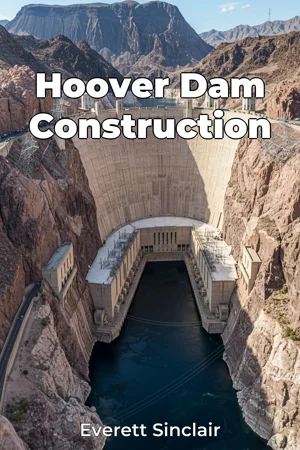
What does it take to transform a desert landscape into a source of power and sustenance for millions? "Hoover Dam Construction" delves into the monumental undertaking of building one of the world's most impressive engineering feats during the throes of the Great Depression. This book explores not only the architectural marvel of the dam itself but also the human story of resilience, innovation, and sheer determination that made its construction possible. This book examines three central themes: the dam's design and engineering, the social and economic impact of its construction during the Depression, and the long-term environmental consequences of such a large-scale water management project. Understanding these elements provides insight into the complex relationship between human ambition and the natural world. These topics matter because large-scale infrastructure projects continue to shape our environment and economy, and the lessons learned from the Hoover Dam remain relevant today. The context for this project is rooted in the desperate economic conditions of the 1930s, where unemployment was rampant and public works projects were seen as a vital solution. Prior knowledge of basic engineering principles and American history of the Depression era will enhance the reading experience, though not essential. The central argument of this book is that the construction of the Hoover Dam represents a pivotal moment in American history, demonstrating the power of government intervention to stimulate the economy, advance engineering capabilities, and reshape the landscape, but also highlighting the ethical considerations that should accompany large construction projects. This argument is vital because it forces us to confront the legacy of these endeavors and determine how to approach similar challenges in the future in this era of rapid climate change impacts. "Hoover Dam Construction" is divided into three major parts dedicated to the planning, the execution, and the aftermath of the project. The book begins by introducing the early concepts and proposals that led to the dam's creation, detailing the political negotiations and engineering challenges that had to be overcome. The second section will focus on the actual construction process, detailing the arduous labor, the innovative techniques employed, and the human stories of the workers who risked their lives daily. Finally, the book will assess the dam's long-term impact, including its contributions to water management, power generation, and regional development, while also honestly addressing the environmental and social costs. The book draws upon a variety of primary sources, including government documents, engineering reports, photographs, and personal accounts from workers and their families. It also incorporates insights from contemporary news articles and academic studies to offer a comprehensive and evidence-based account. This book connects to several other fields, including environmental science, economics, and sociology. By examining the dam's ecological impact, its role in shaping regional economies, and its effects on the lives of ordinary people, the book provides a multidimensional understanding of its significance. What sets this book apart is its focus on the human element of the Hoover Dam construction. It seeks to go beyond the technical specifications and explore the motivations, struggles, and triumphs of the individuals who built this iconic structure. The book maintains a balanced tone, presenting the facts objectively while also acknowledging the human drama and complex ethical considerations involved. The target audience includes history enthusiasts, engineering students, environmental policy makers, and general readers interested in learning about one of America's most significant construction projects. In line with the conventions of historical and architectural non-fiction, the book strives for accuracy, clarity, and thoroughness in its documentation and analysis and adheres to standards in academic writing. The scope of the book is limited to the construction of the Hoover Dam and its immediate impacts. While it touches on broader issues of water management and environmental policy, it does not attempt to provide a comprehensive history of these topics. The information in this book can be applied to understanding and evaluating contemporary infrastructure projects, informing debates about sustainable development, and appreciating the legacy of human endeavor. The book acknowledges the ongoing debates surrounding the dam's environmental impact, particularly regarding water availability in the Colorado River basin and the displacement of indigenous communities. It seeks to present these controversies fairly and offer balanced perspectives on these complex issues.
What does it take to transform a desert landscape into a source of power and sustenance for millions? "Hoover Dam Construction" delves into the monumental undertaking of building one of the world's most impressive engineering feats during the throes of the Great Depression. This book explores not only the architectural marvel of the dam itself but also the human story of resilience, innovation, and sheer determination that made its construction possible. This book examines three central themes: the dam's design and engineering, the social and economic impact of its construction during the Depression, and the long-term environmental consequences of such a large-scale water management project. Understanding these elements provides insight into the complex relationship between human ambition and the natural world. These topics matter because large-scale infrastructure projects continue to shape our environment and economy, and the lessons learned from the Hoover Dam remain relevant today. The context for this project is rooted in the desperate economic conditions of the 1930s, where unemployment was rampant and public works projects were seen as a vital solution. Prior knowledge of basic engineering principles and American history of the Depression era will enhance the reading experience, though not essential. The central argument of this book is that the construction of the Hoover Dam represents a pivotal moment in American history, demonstrating the power of government intervention to stimulate the economy, advance engineering capabilities, and reshape the landscape, but also highlighting the ethical considerations that should accompany large construction projects. This argument is vital because it forces us to confront the legacy of these endeavors and determine how to approach similar challenges in the future in this era of rapid climate change impacts. "Hoover Dam Construction" is divided into three major parts dedicated to the planning, the execution, and the aftermath of the project. The book begins by introducing the early concepts and proposals that led to the dam's creation, detailing the political negotiations and engineering challenges that had to be overcome. The second section will focus on the actual construction process, detailing the arduous labor, the innovative techniques employed, and the human stories of the workers who risked their lives daily. Finally, the book will assess the dam's long-term impact, including its contributions to water management, power generation, and regional development, while also honestly addressing the environmental and social costs. The book draws upon a variety of primary sources, including government documents, engineering reports, photographs, and personal accounts from workers and their families. It also incorporates insights from contemporary news articles and academic studies to offer a comprehensive and evidence-based account. This book connects to several other fields, including environmental science, economics, and sociology. By examining the dam's ecological impact, its role in shaping regional economies, and its effects on the lives of ordinary people, the book provides a multidimensional understanding of its significance. What sets this book apart is its focus on the human element of the Hoover Dam construction. It seeks to go beyond the technical specifications and explore the motivations, struggles, and triumphs of the individuals who built this iconic structure. The book maintains a balanced tone, presenting the facts objectively while also acknowledging the human drama and complex ethical considerations involved. The target audience includes history enthusiasts, engineering students, environmental policy makers, and general readers interested in learning about one of America's most significant construction projects. In line with the conventions of historical and architectural non-fiction, the book strives for accuracy, clarity, and thoroughness in its documentation and analysis and adheres to standards in academic writing. The scope of the book is limited to the construction of the Hoover Dam and its immediate impacts. While it touches on broader issues of water management and environmental policy, it does not attempt to provide a comprehensive history of these topics. The information in this book can be applied to understanding and evaluating contemporary infrastructure projects, informing debates about sustainable development, and appreciating the legacy of human endeavor. The book acknowledges the ongoing debates surrounding the dam's environmental impact, particularly regarding water availability in the Colorado River basin and the displacement of indigenous communities. It seeks to present these controversies fairly and offer balanced perspectives on these complex issues.
"Hoover Dam Construction" explores the building of an iconic structure during the Great Depression, revealing the human resilience and engineering innovation required to transform a desert into a source of power. This book examines the dam's design, its social and economic impacts, and the long-term environmental consequences of such a massive water management project. For example, the construction provided jobs during a time of widespread unemployment, yet also displaced communities and altered the natural landscape. The book progresses through three major sections: planning, execution, and aftermath. It uses primary sources such as government documents and personal accounts to paint a comprehensive picture. What makes this book unique is its focus on the human element, exploring the motivations and struggles of the workers who built the dam, and the ethical considerations of large construction projects. This book is valuable to those interested in American history and architecture, providing insight into how the Hoover Dam reshaped the American landscape and economy. The book maintains a balanced tone, acknowledging the human drama and complex ethical considerations involved in the construction of the dam.
Book Details
ISBN
9788235206619
Publisher
Publifye AS
Your Licenses
You don't own any licenses for this book
Purchase a license below to unlock this book and download the EPUB.
Purchase License
Select a tier to unlock this book
Need bulk licensing?
Contact us for enterprise agreements.