
About This Book
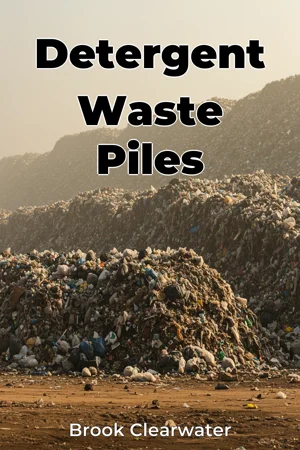
Are the convenience and low cost of detergent packaging masking an environmental crisis that demands immediate attention? "Detergent Waste Piles" confronts the escalating issue of plastic packaging pollution stemming directly from the ubiquitous use of detergents, examining its impact through the lens of waste management statistics and environmental science. This book will navigate the complex interplay between consumer habits, industrial practices, and the dire consequences for our planet's ecosystems. The core of this investigation centers around three key areas: the chemical composition of detergent packaging, the inefficiencies within current waste management systems, and the cascading effects on soil and water quality. Each facet contributes significantly to a global problem exacerbated by increasing consumption and inadequate infrastructure. Understanding these core areas is vital for anyone seeking to lessen their environmental footprint or advocate for sustainable practices. Historically, the surge in plastic production during the latter half of the 20th century coincided with increased reliance on packaged consumer goods. This created what is now a massive accumulation of plastic waste, only a small percentage of which is effectively recycled. Readers should have a basic understanding of the properties of plastics, their degradation processes, and the general framework of municipal waste handling to fully appreciate the scope of the challenge. "Detergent Waste Piles" posits that the linear model of detergent packaging – produce, use, dispose – is fundamentally unsustainable. The book argues for a transition towards circular economy principles, advocating for reduced packaging, increased recyclability, and the adoption of alternative materials. This argument is critical because it challenges the current industry standard and proposes actionable solutions for mitigating plastic pollution. The book unfolds with an introduction to the types of plastics commonly used in detergent packaging and their inherent challenges in recycling. Subsequent chapters delve into an analysis of global waste management statistics, highlighting disparities in infrastructure and recycling rates across different regions. The book then explores the environmental impacts of detergent packaging, including microplastic contamination and the release of harmful chemicals into the environment. Finally, the book culminates with a discussion of potential solutions, such as innovative packaging materials, extended producer responsibility, and policy interventions, as well as case studies of successful waste reduction initiatives. The evidence presented will draw upon a wide range of sources, including government reports, academic studies, industry data, and environmental monitoring data. Special attention will be given to comparative analyses of waste management practices in different countries and the effectiveness of various recycling technologies. This book bridges environment, earth sciences, geography, and chemistry, offering a holistic perspective on the problem. It connects environmental science by exploring the chemical interactions between plastic waste and ecosystems; it connects geography by examining the spatial distribution of waste and the effectiveness of regional waste management strategies; it connects chemistry by revealing the complexity of the chemical structure of detergents and their environmental impact. These interdisciplinary connections reinforce the central argument by demonstrating the multifaceted nature of the issue. A unique aspect of this book lies in its focused investigation of detergent packaging, an area that is often overlooked in broader discussions of plastic pollution. By concentrating on a specific product category, the book provides a detailed and nuanced analysis of the challenges and opportunities for reducing waste. Written in a clear and accessible style, "Detergent Waste Piles" aims to inform and empower readers to make informed decisions about their consumption habits and advocate for more sustainable practices. The tone is factual and analytical, but the book avoids technical jargon, making it accessible to a broad audience. The target audience includes environmental science students, policymakers, waste management professionals, and concerned citizens who want to understand the environmental impacts of everyday consumer products. This book would be valuable to them because it provides a comprehensive overview of the issue and offers practical solutions for reducing plastic waste. As a work of non-fiction, "Detergent Waste Piles" adheres to rigorous standards of accuracy and objectivity. It presents evidence-based arguments and avoids sensationalism, aiming instead to inform and educate readers about the complexities of plastic pollution. The scope of the book is limited to detergent packaging to allow for a focused and in-depth analysis. While the book acknowledges the broader issue of plastic pollution, it does not attempt to provide a comprehensive overview of all sources and types of plastic waste. The information presented in "Detergent Waste Piles" can be applied in various ways. Consumers can use the information to make more informed purchasing decisions, such as choosing detergents with minimal packaging or supporting companies that use sustainable materials. Policymakers can use the data and analysis to develop more effective waste management policies and regulations. Waste management professionals can use the insights to improve recycling processes and reduce the amount of plastic waste that ends up in landfills or the environment. "Detergent Waste Piles" also addresses the ongoing debate about the role of individual responsibility versus corporate accountability in addressing plastic pollution. While individual actions are important, the book argues that systemic changes are needed to effectively tackle the problem. This includes holding manufacturers accountable for the end-of-life management of their products and creating incentives for the development of more sustainable packaging solutions.
Are the convenience and low cost of detergent packaging masking an environmental crisis that demands immediate attention? "Detergent Waste Piles" confronts the escalating issue of plastic packaging pollution stemming directly from the ubiquitous use of detergents, examining its impact through the lens of waste management statistics and environmental science. This book will navigate the complex interplay between consumer habits, industrial practices, and the dire consequences for our planet's ecosystems. The core of this investigation centers around three key areas: the chemical composition of detergent packaging, the inefficiencies within current waste management systems, and the cascading effects on soil and water quality. Each facet contributes significantly to a global problem exacerbated by increasing consumption and inadequate infrastructure. Understanding these core areas is vital for anyone seeking to lessen their environmental footprint or advocate for sustainable practices. Historically, the surge in plastic production during the latter half of the 20th century coincided with increased reliance on packaged consumer goods. This created what is now a massive accumulation of plastic waste, only a small percentage of which is effectively recycled. Readers should have a basic understanding of the properties of plastics, their degradation processes, and the general framework of municipal waste handling to fully appreciate the scope of the challenge. "Detergent Waste Piles" posits that the linear model of detergent packaging – produce, use, dispose – is fundamentally unsustainable. The book argues for a transition towards circular economy principles, advocating for reduced packaging, increased recyclability, and the adoption of alternative materials. This argument is critical because it challenges the current industry standard and proposes actionable solutions for mitigating plastic pollution. The book unfolds with an introduction to the types of plastics commonly used in detergent packaging and their inherent challenges in recycling. Subsequent chapters delve into an analysis of global waste management statistics, highlighting disparities in infrastructure and recycling rates across different regions. The book then explores the environmental impacts of detergent packaging, including microplastic contamination and the release of harmful chemicals into the environment. Finally, the book culminates with a discussion of potential solutions, such as innovative packaging materials, extended producer responsibility, and policy interventions, as well as case studies of successful waste reduction initiatives. The evidence presented will draw upon a wide range of sources, including government reports, academic studies, industry data, and environmental monitoring data. Special attention will be given to comparative analyses of waste management practices in different countries and the effectiveness of various recycling technologies. This book bridges environment, earth sciences, geography, and chemistry, offering a holistic perspective on the problem. It connects environmental science by exploring the chemical interactions between plastic waste and ecosystems; it connects geography by examining the spatial distribution of waste and the effectiveness of regional waste management strategies; it connects chemistry by revealing the complexity of the chemical structure of detergents and their environmental impact. These interdisciplinary connections reinforce the central argument by demonstrating the multifaceted nature of the issue. A unique aspect of this book lies in its focused investigation of detergent packaging, an area that is often overlooked in broader discussions of plastic pollution. By concentrating on a specific product category, the book provides a detailed and nuanced analysis of the challenges and opportunities for reducing waste. Written in a clear and accessible style, "Detergent Waste Piles" aims to inform and empower readers to make informed decisions about their consumption habits and advocate for more sustainable practices. The tone is factual and analytical, but the book avoids technical jargon, making it accessible to a broad audience. The target audience includes environmental science students, policymakers, waste management professionals, and concerned citizens who want to understand the environmental impacts of everyday consumer products. This book would be valuable to them because it provides a comprehensive overview of the issue and offers practical solutions for reducing plastic waste. As a work of non-fiction, "Detergent Waste Piles" adheres to rigorous standards of accuracy and objectivity. It presents evidence-based arguments and avoids sensationalism, aiming instead to inform and educate readers about the complexities of plastic pollution. The scope of the book is limited to detergent packaging to allow for a focused and in-depth analysis. While the book acknowledges the broader issue of plastic pollution, it does not attempt to provide a comprehensive overview of all sources and types of plastic waste. The information presented in "Detergent Waste Piles" can be applied in various ways. Consumers can use the information to make more informed purchasing decisions, such as choosing detergents with minimal packaging or supporting companies that use sustainable materials. Policymakers can use the data and analysis to develop more effective waste management policies and regulations. Waste management professionals can use the insights to improve recycling processes and reduce the amount of plastic waste that ends up in landfills or the environment. "Detergent Waste Piles" also addresses the ongoing debate about the role of individual responsibility versus corporate accountability in addressing plastic pollution. While individual actions are important, the book argues that systemic changes are needed to effectively tackle the problem. This includes holding manufacturers accountable for the end-of-life management of their products and creating incentives for the development of more sustainable packaging solutions.
"Detergent Waste Piles" addresses the often-overlooked environmental crisis stemming from detergent packaging, examining its impact through the lens of waste management and environmental science. It highlights how the surge in plastic production has led to massive waste accumulation with only a fraction being recycled. The book further posits that the current linear model of "produce, use, dispose" is unsustainable, advocating for a shift towards circular economy principles. The book delves into the types of plastics used, inefficiencies in waste management, and the effects on soil and water quality, including microplastic contamination. It progresses from introducing plastic types and challenges to analyzing global waste statistics, environmental impacts, and potential solutions like innovative materials and policy interventions. Drawing upon government reports, academic studies, and industry data, it offers a holistic perspective, bridging environmental science, Earth Sciences, and Geography to reveal the multifaceted nature of plastic pollution. Unique in its focus on detergent packaging, the book provides a detailed analysis of challenges and opportunities for waste reduction. It aims to empower readers to make informed decisions and advocate for sustainable practices, offering practical solutions for reducing plastic waste and promoting a circular economy.
Book Details
ISBN
9788235206435
Publisher
Publifye AS
Your Licenses
You don't own any licenses for this book
Purchase a license below to unlock this book and download the EPUB.
Purchase License
Select a tier to unlock this book
Need bulk licensing?
Contact us for enterprise agreements.