
About This Book
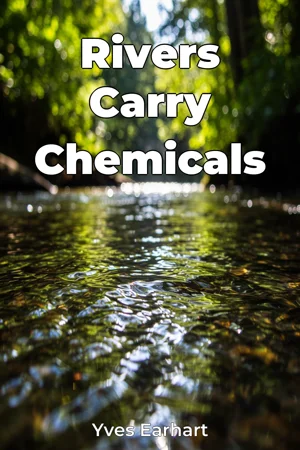
Are the seemingly pristine rivers that crisscross our landscapes silently poisoned by an invisible threat? "Rivers Carry Chemicals" delves into the overlooked but critical issue of detergent pollution in our waterways, presenting compelling data collected directly from river systems to expose the extent of this environmental challenge. This book addresses two primary, interwoven concerns: the chemical composition of modern detergents and their pervasive presence in rivers, as well as the cascading ecological impacts of this pollution. These topics are significant because they connect everyday consumer habits to large-scale environmental degradation, highlighting the urgent need for greater awareness and responsible regulation. For decades, synthetic detergents have replaced traditional soaps due to their superior cleaning power and cost-effectiveness. However, the complex chemical formulations of these detergents – including surfactants, builders, enzymes, and various additives – pose a significant threat when released into aquatic ecosystems. While wastewater treatment plants aim to remove pollutants, many detergent components persist and ultimately end up in rivers, accumulating over time. The central argument presented in “Rivers Carry Chemicals” is that the continuous discharge of detergent-related chemicals into rivers, even at seemingly low concentrations, poses a significant and underappreciated threat to aquatic life and overall ecosystem health. This argument is of paramount importance because it challenges the assumption that current regulations and treatment processes are sufficient to mitigate the environmental impact of these ubiquitous compounds. The book's structure is designed to build a comprehensive understanding of this complex issue. It begins with an introduction to the history and evolution of detergents, outlining their chemical composition and usage patterns. The subsequent sections focus on the following major points: a detailed analysis of river water samples, identifying and quantifying specific detergent-derived chemicals; an exploration of the ecological impacts of these chemicals on aquatic organisms, from algae and invertebrates to fish and amphibians; and an examination of existing regulations and treatment technologies, highlighting their limitations and proposing potential improvements. The book culminates in a call for greater corporate and governmental responsibility, advocating for the development of safer detergent formulations and more effective wastewater treatment strategies. The evidence presented in “Rivers Carry Chemicals” is primarily based on original data collected from various river systems. These data include chemical analyses of water samples, biological surveys of aquatic life, and assessments of the overall ecological health of affected rivers. The book also draws upon existing scientific literature, regulatory reports, and case studies to provide a comprehensive and balanced perspective. "Rivers Carry Chemicals" connects to various fields of study, including environmental chemistry, aquatic ecology, and public health. The chemical analysis of pollutants in the environment falls under environmental chemistry and the effects on living organisms is related to aquatic ecology, while questions of long-term effects on humans after the consumptions of contaminated water are examined in public health. By integrating insights from these disciplines, the book provides a holistic understanding of the complex interactions between detergent pollution and river ecosystems. The book adopts a fact-based, analytical approach, presenting scientific data and evidence in a clear and accessible manner. While maintaining a professional tone, the writing style is designed to engage a broad audience, including environmental scientists, policymakers, and concerned citizens. The primary target audience includes environmental scientists, policymakers, water resource managers, and anyone interested in understanding the environmental impacts of everyday consumer products. This book would be valuable to them because it provides a comprehensive and data-driven assessment of a significant but often overlooked environmental problem. The book also acknowledges the limitations imposed by the scope of its investigation. While it provides a thorough analysis of detergent pollution in selected river systems, it does not attempt to address all forms of water pollution or all types of aquatic ecosystems. Furthermore, the book focuses primarily on the environmental impacts of detergent chemicals, without delving deeply into the economic or social factors that contribute to their widespread use. However, the knowledge discussed in the book can be applied practically by readers. Detergent pollution in waterways is not without its controversies and ongoing debates. The debate centers on the efficacy of current water treatment methods, the health implications of low-level chemical exposure, and the responsibility of manufacturers to develop more environmentally friendly products. "Rivers Carry Chemicals" contributes to these discussions by providing new data and insights, fostering a more informed and constructive dialogue about solutions.
Are the seemingly pristine rivers that crisscross our landscapes silently poisoned by an invisible threat? "Rivers Carry Chemicals" delves into the overlooked but critical issue of detergent pollution in our waterways, presenting compelling data collected directly from river systems to expose the extent of this environmental challenge. This book addresses two primary, interwoven concerns: the chemical composition of modern detergents and their pervasive presence in rivers, as well as the cascading ecological impacts of this pollution. These topics are significant because they connect everyday consumer habits to large-scale environmental degradation, highlighting the urgent need for greater awareness and responsible regulation. For decades, synthetic detergents have replaced traditional soaps due to their superior cleaning power and cost-effectiveness. However, the complex chemical formulations of these detergents – including surfactants, builders, enzymes, and various additives – pose a significant threat when released into aquatic ecosystems. While wastewater treatment plants aim to remove pollutants, many detergent components persist and ultimately end up in rivers, accumulating over time. The central argument presented in “Rivers Carry Chemicals” is that the continuous discharge of detergent-related chemicals into rivers, even at seemingly low concentrations, poses a significant and underappreciated threat to aquatic life and overall ecosystem health. This argument is of paramount importance because it challenges the assumption that current regulations and treatment processes are sufficient to mitigate the environmental impact of these ubiquitous compounds. The book's structure is designed to build a comprehensive understanding of this complex issue. It begins with an introduction to the history and evolution of detergents, outlining their chemical composition and usage patterns. The subsequent sections focus on the following major points: a detailed analysis of river water samples, identifying and quantifying specific detergent-derived chemicals; an exploration of the ecological impacts of these chemicals on aquatic organisms, from algae and invertebrates to fish and amphibians; and an examination of existing regulations and treatment technologies, highlighting their limitations and proposing potential improvements. The book culminates in a call for greater corporate and governmental responsibility, advocating for the development of safer detergent formulations and more effective wastewater treatment strategies. The evidence presented in “Rivers Carry Chemicals” is primarily based on original data collected from various river systems. These data include chemical analyses of water samples, biological surveys of aquatic life, and assessments of the overall ecological health of affected rivers. The book also draws upon existing scientific literature, regulatory reports, and case studies to provide a comprehensive and balanced perspective. "Rivers Carry Chemicals" connects to various fields of study, including environmental chemistry, aquatic ecology, and public health. The chemical analysis of pollutants in the environment falls under environmental chemistry and the effects on living organisms is related to aquatic ecology, while questions of long-term effects on humans after the consumptions of contaminated water are examined in public health. By integrating insights from these disciplines, the book provides a holistic understanding of the complex interactions between detergent pollution and river ecosystems. The book adopts a fact-based, analytical approach, presenting scientific data and evidence in a clear and accessible manner. While maintaining a professional tone, the writing style is designed to engage a broad audience, including environmental scientists, policymakers, and concerned citizens. The primary target audience includes environmental scientists, policymakers, water resource managers, and anyone interested in understanding the environmental impacts of everyday consumer products. This book would be valuable to them because it provides a comprehensive and data-driven assessment of a significant but often overlooked environmental problem. The book also acknowledges the limitations imposed by the scope of its investigation. While it provides a thorough analysis of detergent pollution in selected river systems, it does not attempt to address all forms of water pollution or all types of aquatic ecosystems. Furthermore, the book focuses primarily on the environmental impacts of detergent chemicals, without delving deeply into the economic or social factors that contribute to their widespread use. However, the knowledge discussed in the book can be applied practically by readers. Detergent pollution in waterways is not without its controversies and ongoing debates. The debate centers on the efficacy of current water treatment methods, the health implications of low-level chemical exposure, and the responsibility of manufacturers to develop more environmentally friendly products. "Rivers Carry Chemicals" contributes to these discussions by providing new data and insights, fostering a more informed and constructive dialogue about solutions.
"Rivers Carry Chemicals" examines the pervasive, yet often unseen, issue of detergent pollution in river systems. The book highlights how everyday consumer products release complex chemical formulations into aquatic ecosystems, potentially disrupting ecological health. Did you know that many detergent components persist even after wastewater treatment, accumulating in rivers over time? This accumulation, even at seemingly low concentrations, poses a significant threat to aquatic life. The book progresses from the history and chemical makeup of detergents to detailed analyses of river water samples and explorations into the ecological impacts on aquatic organisms. It further examines current regulations and treatment technologies, pointing out their limitations. By presenting original data collected from various river systems, the book uniquely connects environmental chemistry and aquatic ecology to show the real-world impact of our consumer habits, thereby emphasizing the urgent need for safer detergent formulations and improved wastewater treatment strategies.
Book Details
ISBN
9788235206374
Publisher
Publifye AS
Your Licenses
You don't own any licenses for this book
Purchase a license below to unlock this book and download the EPUB.
Purchase License
Select a tier to unlock this book
Need bulk licensing?
Contact us for enterprise agreements.