
About This Book
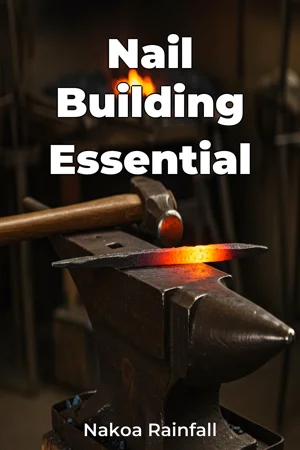
Have you ever considered the humble nail, not as a mere fastener, but as a pivotal element in shaping human history? "Nail Building Essential" delves into the fascinating journey of nail manufacturing, charting its evolution from rudimentary, hand-forged pieces to the sophisticated, mass-produced products that underpin modern construction. This book explores the nail’s technological transformation and the profound impact of these changes on building techniques, architectural styles, and even economic development. These topics are significant because they reveal how seemingly simple inventions can drive widespread societal change, impacting the built environment and the way we live. Understanding the history of nail production requires appreciating its deep roots in ironworking and early metallurgical techniques. For centuries, nails were individually crafted by blacksmiths, making them a valuable and often scarce commodity. This scarcity directly influenced building practices, necessitating careful resource management and innovative joinery methods that minimized nail usage. "Nail Building Essential" argues that the mechanization of nail production, occurring primarily during the Industrial Revolution, revolutionized construction, enabling larger, more complex structures and contributing significantly to urbanization and economic expansion. This argument is crucial for understanding the interplay between technological advancement and societal progress. The book begins by examining the origins of nail making, tracing its history from ancient civilizations to the medieval period, highlighting the skills and tools employed by early artisans. It then transitions to the pivotal era of mechanization, dedicating chapters to the development of nail-making machines, the rise of factories, and the impact of mass production on nail availability and cost. A significant portion of the book focuses on the diversification of nail types and their specialized applications in various construction fields, from framing and roofing to fine carpentry and decorative work. It culminates with an analysis of contemporary nail manufacturing techniques, including the use of advanced materials and coatings. The practical implications of these advances are discussed, emphasizing their role in enhancing building durability, safety, and sustainability. The evidence presented draws from a range of sources, including historical documents, patents, archaeological findings, and contemporary manufacturing data. Replicated historical experiments help to illustrate the challenges and skills involved in hand-forging nails, providing readers with a tactile understanding of early production methods. The book also incorporates case studies of significant buildings and construction projects, demonstrating how changes in nail technology directly influenced architectural design and engineering practices. "Nail Building Essential" bridges multiple disciplines, connecting the history of technology with architectural history, material science, and economic history. Understanding the impact of nail production on construction techniques offers insights into the design and durability of historical structures. Examining the materials used in nail manufacturing provides valuable data for material scientists seeking to understand corrosion, stress, and material longevity. Analyzing the economics of nail production sheds light on the broader impact of industrialization on global trade and economic growth. This book stands out by offering a comprehensive, in-depth examination of a seemingly mundane object that has played a crucial role in shaping the built world. It adopts a narrative non-fiction approach, interweaving historical accounts with technical explanations to create an engaging and accessible reading experience. The target audience includes historians of technology, architects, builders, material scientists, and anyone interested in the history of construction. The book will be valuable to these readers because it provides a unique perspective on how technological advancements have influenced the built environment and the evolution of human civilization. In line with the conventions of historical and technological non-fiction, "Nail Building Essential" maintains a rigorous focus on accuracy, objectivity, and factual detail. While the book provides a broad overview of nail manufacturing history, it intentionally limits its scope to the technological and construction-related aspects, omitting detailed discussion on other applications of nails, such as in medicine or weaponry. The information in this book can be applied practically by builders and architects seeking to understand the historical context of construction techniques and materials. Material scientists can benefit from the analysis of different nail types and their performance characteristics over time. Historians can use the book as a valuable resource for understanding the impact of industrialization on society. While the overall narrative focuses on the evolution and improvement of nail manufacturing, the book also touches on debates surrounding the environmental impact of industrial-scale production and the challenges of balancing technological progress with sustainable practices. The book addresses the shift from local craftmanship to globalization.
Have you ever considered the humble nail, not as a mere fastener, but as a pivotal element in shaping human history? "Nail Building Essential" delves into the fascinating journey of nail manufacturing, charting its evolution from rudimentary, hand-forged pieces to the sophisticated, mass-produced products that underpin modern construction. This book explores the nail’s technological transformation and the profound impact of these changes on building techniques, architectural styles, and even economic development. These topics are significant because they reveal how seemingly simple inventions can drive widespread societal change, impacting the built environment and the way we live. Understanding the history of nail production requires appreciating its deep roots in ironworking and early metallurgical techniques. For centuries, nails were individually crafted by blacksmiths, making them a valuable and often scarce commodity. This scarcity directly influenced building practices, necessitating careful resource management and innovative joinery methods that minimized nail usage. "Nail Building Essential" argues that the mechanization of nail production, occurring primarily during the Industrial Revolution, revolutionized construction, enabling larger, more complex structures and contributing significantly to urbanization and economic expansion. This argument is crucial for understanding the interplay between technological advancement and societal progress. The book begins by examining the origins of nail making, tracing its history from ancient civilizations to the medieval period, highlighting the skills and tools employed by early artisans. It then transitions to the pivotal era of mechanization, dedicating chapters to the development of nail-making machines, the rise of factories, and the impact of mass production on nail availability and cost. A significant portion of the book focuses on the diversification of nail types and their specialized applications in various construction fields, from framing and roofing to fine carpentry and decorative work. It culminates with an analysis of contemporary nail manufacturing techniques, including the use of advanced materials and coatings. The practical implications of these advances are discussed, emphasizing their role in enhancing building durability, safety, and sustainability. The evidence presented draws from a range of sources, including historical documents, patents, archaeological findings, and contemporary manufacturing data. Replicated historical experiments help to illustrate the challenges and skills involved in hand-forging nails, providing readers with a tactile understanding of early production methods. The book also incorporates case studies of significant buildings and construction projects, demonstrating how changes in nail technology directly influenced architectural design and engineering practices. "Nail Building Essential" bridges multiple disciplines, connecting the history of technology with architectural history, material science, and economic history. Understanding the impact of nail production on construction techniques offers insights into the design and durability of historical structures. Examining the materials used in nail manufacturing provides valuable data for material scientists seeking to understand corrosion, stress, and material longevity. Analyzing the economics of nail production sheds light on the broader impact of industrialization on global trade and economic growth. This book stands out by offering a comprehensive, in-depth examination of a seemingly mundane object that has played a crucial role in shaping the built world. It adopts a narrative non-fiction approach, interweaving historical accounts with technical explanations to create an engaging and accessible reading experience. The target audience includes historians of technology, architects, builders, material scientists, and anyone interested in the history of construction. The book will be valuable to these readers because it provides a unique perspective on how technological advancements have influenced the built environment and the evolution of human civilization. In line with the conventions of historical and technological non-fiction, "Nail Building Essential" maintains a rigorous focus on accuracy, objectivity, and factual detail. While the book provides a broad overview of nail manufacturing history, it intentionally limits its scope to the technological and construction-related aspects, omitting detailed discussion on other applications of nails, such as in medicine or weaponry. The information in this book can be applied practically by builders and architects seeking to understand the historical context of construction techniques and materials. Material scientists can benefit from the analysis of different nail types and their performance characteristics over time. Historians can use the book as a valuable resource for understanding the impact of industrialization on society. While the overall narrative focuses on the evolution and improvement of nail manufacturing, the book also touches on debates surrounding the environmental impact of industrial-scale production and the challenges of balancing technological progress with sustainable practices. The book addresses the shift from local craftmanship to globalization.
"Nail Building Essential" explores the surprisingly significant history of nail manufacturing, revealing how this seemingly simple object has profoundly shaped construction, architecture, and even economic development. From individually crafted pieces by blacksmiths to mass-produced products of the Industrial Revolution, the book traces the nail's technological journey. Readers will discover how the scarcity of nails influenced early building practices, necessitating innovative joinery techniques, and how mechanization enabled larger, more complex structures. The book starts by examining the origins of nail making, from ancient civilizations to the medieval period, then transitions to the era of mechanization and the rise of factories. A significant portion focuses on the diversification of nail types and their specialized applications, such as framing and roofing. "Nail Building Essential" bridges the gap between technology history, architectural history, material science, and economic history, offering a comprehensive look at how nail production impacted building techniques, material longevity, and global trade. This book adopts a narrative non-fiction approach, interweaving historical accounts with technical explanations, making it accessible to historians, architects, builders, and anyone interested in the history of construction. It culminates with an analysis of contemporary nail manufacturing techniques, including the use of advanced materials and coatings, while also touching on debates surrounding the environmental impact of industrial-scale production.
Book Details
ISBN
9788235206312
Publisher
Publifye AS
Your Licenses
You don't own any licenses for this book
Purchase a license below to unlock this book and download the EPUB.
Purchase License
Select a tier to unlock this book
Need bulk licensing?
Contact us for enterprise agreements.