
About This Book
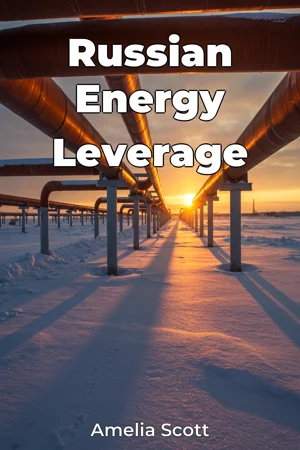
How has Russia wielded its energy resources as a tool of foreign policy, and what are the implications for global energy security and economic stability? "Russian Energy Leverage" investigates the multifaceted role of Russia's fossil fuel exports in shaping international politics and creating economic vulnerabilities. This book delves into pipeline politics, explores export strategies, and analyzes the broader consequences of resource dependence for both Russia and its energy partners. At the heart of the analysis lies the central argument that Russia has strategically used its energy resources to exert political influence, secure economic advantages, and navigate geopolitical challenges. This strategy, while generating substantial revenue for the Russian state, has simultaneously created dependencies and vulnerabilities for importing nations, impacting their foreign policy decisions and internal economic stability. The book examines how Russia’s actions have reshaped the global energy landscape and prompted responses from other major players. To understand Russia's energy leverage, the book begins by establishing a historical and economic context, tracing the evolution of Russia as a major energy exporter from the Soviet era to the present day. It examines the development of key oil and gas fields, pipeline infrastructure, and international energy agreements that have solidified Russia's position in the global market. The book further explores the political economy of Russia's energy sector, analyzing the roles of state-owned companies like Gazprom and Rosneft, the influence of oligarchs, and the Kremlin's control over resource extraction and export. The book unfolds in three major sections. First, it examines the strategic deployment of pipeline projects like Nord Stream and TurkStream, analyzing their geopolitical implications and the controversies surrounding their construction and operation. Second, it investigates the diverse export strategies employed by Russia, including pricing mechanisms, supply contracts, and diversification efforts aimed at reaching new markets in Asia and beyond. Third, it analyzes the economic vulnerabilities associated with resource dependence, both for Russia itself, in terms of over-reliance on commodity revenues, and for importing nations facing potential supply disruptions or political pressure. The analysis draws upon a range of sources, including government reports, energy industry data, academic research, and case studies of specific energy projects and relationships. It assesses the impact of Russia's energy policies on countries in Europe, Asia, and the former Soviet Union, highlighting instances of political coercion, economic manipulation, and strategic competition. Special attention is given to the ongoing debates surrounding energy security, diversification of supply, and the transition to renewable energy sources as alternatives to Russian fossil fuels. "Russian Energy Leverage" bridges the fields of political science, economics, and energy studies, offering an interdisciplinary perspective on a complex and evolving issue. It contributes to the broader literature on resource curse, energy geopolitics, and international relations. This book is written in a rigorous, yet accessible style, and targets policymakers, energy analysts, business professionals, academics, and anyone seeking a deeper understanding of Russia's role in the global energy arena. The scope of the book encompasses the period from the late 20th century to the present, with a specific focus on the post-Soviet era. While the book provides a comprehensive overview, it acknowledges limitations in predicting future events or fully accounting for rapidly shifting geopolitical dynamics. The book offers insights into how governments and businesses can mitigate risks associated with energy dependence, promote diversification, and develop more resilient energy strategies. It also discusses the implications of Russia's energy leverage for international efforts to combat climate change and transition to a sustainable energy future. "Russian Energy Leverage" offers a balanced and insightful analysis of a critical global issue, providing readers with the knowledge and tools to navigate the complex and often contentious world of energy politics.
How has Russia wielded its energy resources as a tool of foreign policy, and what are the implications for global energy security and economic stability? "Russian Energy Leverage" investigates the multifaceted role of Russia's fossil fuel exports in shaping international politics and creating economic vulnerabilities. This book delves into pipeline politics, explores export strategies, and analyzes the broader consequences of resource dependence for both Russia and its energy partners. At the heart of the analysis lies the central argument that Russia has strategically used its energy resources to exert political influence, secure economic advantages, and navigate geopolitical challenges. This strategy, while generating substantial revenue for the Russian state, has simultaneously created dependencies and vulnerabilities for importing nations, impacting their foreign policy decisions and internal economic stability. The book examines how Russia’s actions have reshaped the global energy landscape and prompted responses from other major players. To understand Russia's energy leverage, the book begins by establishing a historical and economic context, tracing the evolution of Russia as a major energy exporter from the Soviet era to the present day. It examines the development of key oil and gas fields, pipeline infrastructure, and international energy agreements that have solidified Russia's position in the global market. The book further explores the political economy of Russia's energy sector, analyzing the roles of state-owned companies like Gazprom and Rosneft, the influence of oligarchs, and the Kremlin's control over resource extraction and export. The book unfolds in three major sections. First, it examines the strategic deployment of pipeline projects like Nord Stream and TurkStream, analyzing their geopolitical implications and the controversies surrounding their construction and operation. Second, it investigates the diverse export strategies employed by Russia, including pricing mechanisms, supply contracts, and diversification efforts aimed at reaching new markets in Asia and beyond. Third, it analyzes the economic vulnerabilities associated with resource dependence, both for Russia itself, in terms of over-reliance on commodity revenues, and for importing nations facing potential supply disruptions or political pressure. The analysis draws upon a range of sources, including government reports, energy industry data, academic research, and case studies of specific energy projects and relationships. It assesses the impact of Russia's energy policies on countries in Europe, Asia, and the former Soviet Union, highlighting instances of political coercion, economic manipulation, and strategic competition. Special attention is given to the ongoing debates surrounding energy security, diversification of supply, and the transition to renewable energy sources as alternatives to Russian fossil fuels. "Russian Energy Leverage" bridges the fields of political science, economics, and energy studies, offering an interdisciplinary perspective on a complex and evolving issue. It contributes to the broader literature on resource curse, energy geopolitics, and international relations. This book is written in a rigorous, yet accessible style, and targets policymakers, energy analysts, business professionals, academics, and anyone seeking a deeper understanding of Russia's role in the global energy arena. The scope of the book encompasses the period from the late 20th century to the present, with a specific focus on the post-Soviet era. While the book provides a comprehensive overview, it acknowledges limitations in predicting future events or fully accounting for rapidly shifting geopolitical dynamics. The book offers insights into how governments and businesses can mitigate risks associated with energy dependence, promote diversification, and develop more resilient energy strategies. It also discusses the implications of Russia's energy leverage for international efforts to combat climate change and transition to a sustainable energy future. "Russian Energy Leverage" offers a balanced and insightful analysis of a critical global issue, providing readers with the knowledge and tools to navigate the complex and often contentious world of energy politics.
"Russian Energy Leverage" examines how Russia strategically uses its vast energy resources as a tool for foreign policy, influencing global energy security and economic stability. The book reveals how Russia's control over fossil fuel exports, particularly through pipeline politics, allows it to exert political influence and gain economic advantages. One intriguing aspect is the dependency this creates for importing nations, which can make them vulnerable to political pressure and supply disruptions. The book progresses by first establishing a historical and economic context, tracing Russia's evolution as a major energy exporter. It then analyzes the strategic deployment of pipeline projects and Russia’s diverse export strategies, before finally investigating the economic vulnerabilities associated with resource dependence for both Russia and its energy partners. By bridging political science, economics, and energy studies, the book offers a comprehensive interdisciplinary perspective. It reveals how Russia's actions have reshaped the global energy landscape, prompting responses from other major players.
Book Details
ISBN
9788235206251
Publisher
Publifye AS
Your Licenses
You don't own any licenses for this book
Purchase a license below to unlock this book and download the EPUB.
Purchase License
Select a tier to unlock this book
Need bulk licensing?
Contact us for enterprise agreements.