
About This Book
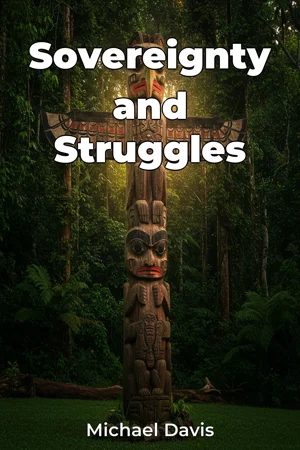
What does it truly mean to be a sovereign nation in the 21st century, especially for peoples whose sovereignty was historically denied? "Sovereignty and Struggles" delves into the complex and multifaceted push for indigenous sovereignty and self-governance in the modern era, exploring the historical, political, and social dimensions of this ongoing movement. This book examines what self-determination looks like in practice, analyzing the challenges and triumphs faced by indigenous communities worldwide. This book's central argument is that the pursuit of indigenous sovereignty is not merely a relic of the past, but a dynamic and essential component of contemporary struggles for social justice, environmental sustainability, and cultural preservation. It posits that genuine reconciliation requires recognizing and respecting indigenous peoples’ inherent right to govern themselves and manage their own affairs. This argument is vital because it challenges conventional notions of state sovereignty and offers alternative models for building more equitable and sustainable societies. "Sovereignty and Struggles" begins by establishing a foundational understanding of indigenous sovereignty, tracing its evolution from pre-colonial governance systems to present-day legal and political frameworks. It examines traditional forms of governance, land tenure, and dispute resolution that existed prior to colonization, highlighting their sophistication and adaptability. The first major section of the book analyzes the historical context of colonization, focusing on the systematic dismantling of indigenous governance structures and the imposition of foreign laws and policies. This includes detailing the impact of treaties, land dispossession, and assimilation policies on indigenous communities. A second crucial section concentrates on present-day struggles for self-determination. Case studies from various regions—including North America, Australia, and Latin America—illustrate different approaches to achieving sovereignty, such as treaty renegotiation, constitutional reform, and the establishment of autonomous regions. These examples demonstrate the diverse strategies employed by indigenous peoples to assert their rights and reclaim control over their lands, resources, and cultures. The book then examines the crucial role of international law and human rights frameworks in supporting indigenous sovereignty movements. It analyzes how international treaties, declarations, and conventions provide legal and moral leverage for indigenous peoples seeking recognition and redress for past injustices. To support its arguments, "Sovereignty and Struggles" draws upon a diverse range of evidence, including historical documents, legal analyses, ethnographic studies, and firsthand accounts from indigenous leaders and community members. It incorporates data from government reports, academic research, and reports from human rights organizations. This book connects to several other fields, including environmental studies (examining the link between indigenous sovereignty and environmental protection), international relations (analyzing the role of states and international organizations in indigenous affairs), and legal studies (exploring the legal basis for indigenous rights and self-determination). These interdisciplinary connections enrich the book's analysis and demonstrate the wide-ranging implications of indigenous sovereignty. "Sovereignty and Struggles" adopts a balanced and nuanced approach, presenting diverse perspectives and acknowledging the complexities of the issues involved. It seeks to inform and empower readers by providing a comprehensive overview of the historical, political, and legal dimensions of indigenous sovereignty. The book is primarily aimed at students, academics, policymakers, and activists interested in indigenous rights, social justice, and international law. It will also appeal to general readers seeking a deeper understanding of the challenges and opportunities facing indigenous communities in the 21st century. The book acknowledges certain limitations in its scope. While striving for global representation, it recognizes that a comprehensive analysis of every indigenous sovereignty movement worldwide is beyond the scope of a single volume. Instead, it focuses on selected case studies that illustrate key trends and challenges. Ultimately, "Sovereignty and Struggles" seeks to inform readers about the critical role of indigenous sovereignty in shaping a more just and sustainable world. By understanding the past, present, and future of these struggles, readers can become better equipped to advocate for indigenous rights and support self-determination efforts in their own communities and beyond.
What does it truly mean to be a sovereign nation in the 21st century, especially for peoples whose sovereignty was historically denied? "Sovereignty and Struggles" delves into the complex and multifaceted push for indigenous sovereignty and self-governance in the modern era, exploring the historical, political, and social dimensions of this ongoing movement. This book examines what self-determination looks like in practice, analyzing the challenges and triumphs faced by indigenous communities worldwide. This book's central argument is that the pursuit of indigenous sovereignty is not merely a relic of the past, but a dynamic and essential component of contemporary struggles for social justice, environmental sustainability, and cultural preservation. It posits that genuine reconciliation requires recognizing and respecting indigenous peoples’ inherent right to govern themselves and manage their own affairs. This argument is vital because it challenges conventional notions of state sovereignty and offers alternative models for building more equitable and sustainable societies. "Sovereignty and Struggles" begins by establishing a foundational understanding of indigenous sovereignty, tracing its evolution from pre-colonial governance systems to present-day legal and political frameworks. It examines traditional forms of governance, land tenure, and dispute resolution that existed prior to colonization, highlighting their sophistication and adaptability. The first major section of the book analyzes the historical context of colonization, focusing on the systematic dismantling of indigenous governance structures and the imposition of foreign laws and policies. This includes detailing the impact of treaties, land dispossession, and assimilation policies on indigenous communities. A second crucial section concentrates on present-day struggles for self-determination. Case studies from various regions—including North America, Australia, and Latin America—illustrate different approaches to achieving sovereignty, such as treaty renegotiation, constitutional reform, and the establishment of autonomous regions. These examples demonstrate the diverse strategies employed by indigenous peoples to assert their rights and reclaim control over their lands, resources, and cultures. The book then examines the crucial role of international law and human rights frameworks in supporting indigenous sovereignty movements. It analyzes how international treaties, declarations, and conventions provide legal and moral leverage for indigenous peoples seeking recognition and redress for past injustices. To support its arguments, "Sovereignty and Struggles" draws upon a diverse range of evidence, including historical documents, legal analyses, ethnographic studies, and firsthand accounts from indigenous leaders and community members. It incorporates data from government reports, academic research, and reports from human rights organizations. This book connects to several other fields, including environmental studies (examining the link between indigenous sovereignty and environmental protection), international relations (analyzing the role of states and international organizations in indigenous affairs), and legal studies (exploring the legal basis for indigenous rights and self-determination). These interdisciplinary connections enrich the book's analysis and demonstrate the wide-ranging implications of indigenous sovereignty. "Sovereignty and Struggles" adopts a balanced and nuanced approach, presenting diverse perspectives and acknowledging the complexities of the issues involved. It seeks to inform and empower readers by providing a comprehensive overview of the historical, political, and legal dimensions of indigenous sovereignty. The book is primarily aimed at students, academics, policymakers, and activists interested in indigenous rights, social justice, and international law. It will also appeal to general readers seeking a deeper understanding of the challenges and opportunities facing indigenous communities in the 21st century. The book acknowledges certain limitations in its scope. While striving for global representation, it recognizes that a comprehensive analysis of every indigenous sovereignty movement worldwide is beyond the scope of a single volume. Instead, it focuses on selected case studies that illustrate key trends and challenges. Ultimately, "Sovereignty and Struggles" seeks to inform readers about the critical role of indigenous sovereignty in shaping a more just and sustainable world. By understanding the past, present, and future of these struggles, readers can become better equipped to advocate for indigenous rights and support self-determination efforts in their own communities and beyond.
"Sovereignty and Struggles" explores the ongoing quest for indigenous sovereignty and self-determination, a vital movement for social justice, environmental sustainability, and cultural preservation. The book argues that recognizing indigenous peoples' right to self-governance is essential for genuine reconciliation, challenging conventional notions of state sovereignty. It reveals that many pre-colonial indigenous governance systems were sophisticated and adaptable, demonstrating a capacity for self-management often overlooked in historical narratives. Furthermore, the pursuit of treaty rights and land rights remains central to indigenous communities seeking to reclaim control over their ancestral lands and resources. The book begins by tracing the evolution of indigenous sovereignty from pre-colonial times to the present, examining the impact of colonization and the dismantling of indigenous governance structures. It then presents case studies from North America, Australia, and Latin America, showcasing diverse strategies for achieving self-determination, such as treaty renegotiation and constitutional reform. By drawing upon historical documents, legal analyses, and firsthand accounts, "Sovereignty and Struggles" provides a comprehensive overview of the political struggles and legal frameworks surrounding indigenous rights, emphasizing the role of international law in supporting these movements.
Book Details
ISBN
9788235206237
Publisher
Publifye AS
Your Licenses
You don't own any licenses for this book
Purchase a license below to unlock this book and download the EPUB.
Purchase License
Select a tier to unlock this book
Need bulk licensing?
Contact us for enterprise agreements.