
About This Book
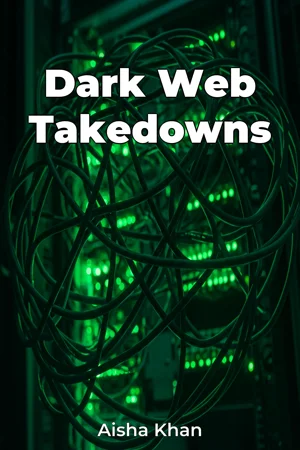
How do law enforcement agencies dismantle illicit online empires built on anonymity and encryption? "Dark Web Takedowns" delves into the intricate world of cybercrime investigations, revealing the strategies and tactics used to unmask and apprehend the individuals operating illegal dark web sites and marketplaces. This book examines several high-profile operations, providing a detailed account of how authorities navigate the complexities of the dark web to bring criminals to justice. The core topics explored are the technical methodologies employed in dark web investigations, the legal challenges inherent in prosecuting cybercriminals operating across international borders, and the ethical considerations surrounding surveillance and privacy in the digital age. These topics are crucial because the dark web serves as a haven for a range of illegal activities, from drug trafficking and arms dealing to the distribution of child exploitation materials and the sale of stolen data. Understanding how law enforcement combats these activities is essential for policymakers, cybersecurity professionals, and anyone concerned about online safety and security. The book provides context by outlining the history and evolution of the dark web, explaining the technologies that enable anonymity, such as Tor and cryptocurrencies. It also addresses the legal frameworks that govern cybercrime investigations, both domestically and internationally. The central argument of "Dark Web Takedowns" is that despite the inherent challenges of investigating crimes on the dark web, law enforcement agencies are developing increasingly sophisticated techniques and collaborative strategies to disrupt and dismantle these illicit networks. This argument is important because it highlights the ongoing battle between those who seek to exploit the anonymity of the internet for illegal purposes and those who are dedicated to upholding the law in the digital realm. The book begins by introducing the fundamental concepts of the dark web, including its infrastructure, the types of activities that take place there, and the challenges it poses to law enforcement. It then focuses on several major dark web takedown operations, such as the Silk Road, AlphaBay, and Hansa Market cases. For each case, the book details the investigative process, from initial intelligence gathering to identifying suspects, gathering evidence, and ultimately making arrests. It explores the specific techniques used by law enforcement, including: undercover operations, digital forensics, analysis of blockchain transactions, and international collaboration. The book examines the legal and ethical considerations that arise during these investigations, such as the use of surveillance technologies, the admissibility of evidence obtained through unconventional means, and the protection of privacy rights. Finally, the book discusses the broader implications of these takedowns, including their impact on the dark web ecosystem, the challenges of preventing the resurgence of illicit marketplaces, and the need for ongoing vigilance and innovation in the fight against cybercrime. The evidence presented is drawn from court documents, law enforcement press releases, investigative reports, and interviews with law enforcement officials and cybersecurity experts. The book also analyzes primary source material from the dark web itself, such as forum posts, marketplace listings, and encrypted communications. This book connects to the fields of criminology, cybersecurity, and law, offering insights into the motivations and methods of cybercriminals, the technical challenges of investigating crimes in the digital realm, and the legal frameworks that govern these investigations. "Dark Web Takedowns" offers a fact-based, non-fiction approach, presenting information in a clear and accessible manner. The tone will be professional, yet engaging, appealing to a broad audience interested in true crime, technology, and law enforcement. The target audience includes cybersecurity professionals, law enforcement officers, legal professionals, students of criminology and cybersecurity, and anyone interested in the inner workings of the dark web. This book is valuable to them because it provides a comprehensive and insightful account of how law enforcement agencies are adapting to the challenges of combating cybercrime in an increasingly complex and interconnected world. The scope of the book is limited to specific case studies of successful dark web takedown operations, focusing on the investigative techniques and legal challenges involved. It does not attempt to provide a comprehensive overview of all types of dark web activity or to offer solutions to all the problems associated with cybercrime. The information in the book can be applied practically by cybersecurity professionals to improve their understanding of dark web threats and to develop more effective defenses against cyberattacks. It can also be used by law enforcement officers to enhance their investigative skills and to stay abreast of the latest techniques for combating cybercrime.
How do law enforcement agencies dismantle illicit online empires built on anonymity and encryption? "Dark Web Takedowns" delves into the intricate world of cybercrime investigations, revealing the strategies and tactics used to unmask and apprehend the individuals operating illegal dark web sites and marketplaces. This book examines several high-profile operations, providing a detailed account of how authorities navigate the complexities of the dark web to bring criminals to justice. The core topics explored are the technical methodologies employed in dark web investigations, the legal challenges inherent in prosecuting cybercriminals operating across international borders, and the ethical considerations surrounding surveillance and privacy in the digital age. These topics are crucial because the dark web serves as a haven for a range of illegal activities, from drug trafficking and arms dealing to the distribution of child exploitation materials and the sale of stolen data. Understanding how law enforcement combats these activities is essential for policymakers, cybersecurity professionals, and anyone concerned about online safety and security. The book provides context by outlining the history and evolution of the dark web, explaining the technologies that enable anonymity, such as Tor and cryptocurrencies. It also addresses the legal frameworks that govern cybercrime investigations, both domestically and internationally. The central argument of "Dark Web Takedowns" is that despite the inherent challenges of investigating crimes on the dark web, law enforcement agencies are developing increasingly sophisticated techniques and collaborative strategies to disrupt and dismantle these illicit networks. This argument is important because it highlights the ongoing battle between those who seek to exploit the anonymity of the internet for illegal purposes and those who are dedicated to upholding the law in the digital realm. The book begins by introducing the fundamental concepts of the dark web, including its infrastructure, the types of activities that take place there, and the challenges it poses to law enforcement. It then focuses on several major dark web takedown operations, such as the Silk Road, AlphaBay, and Hansa Market cases. For each case, the book details the investigative process, from initial intelligence gathering to identifying suspects, gathering evidence, and ultimately making arrests. It explores the specific techniques used by law enforcement, including: undercover operations, digital forensics, analysis of blockchain transactions, and international collaboration. The book examines the legal and ethical considerations that arise during these investigations, such as the use of surveillance technologies, the admissibility of evidence obtained through unconventional means, and the protection of privacy rights. Finally, the book discusses the broader implications of these takedowns, including their impact on the dark web ecosystem, the challenges of preventing the resurgence of illicit marketplaces, and the need for ongoing vigilance and innovation in the fight against cybercrime. The evidence presented is drawn from court documents, law enforcement press releases, investigative reports, and interviews with law enforcement officials and cybersecurity experts. The book also analyzes primary source material from the dark web itself, such as forum posts, marketplace listings, and encrypted communications. This book connects to the fields of criminology, cybersecurity, and law, offering insights into the motivations and methods of cybercriminals, the technical challenges of investigating crimes in the digital realm, and the legal frameworks that govern these investigations. "Dark Web Takedowns" offers a fact-based, non-fiction approach, presenting information in a clear and accessible manner. The tone will be professional, yet engaging, appealing to a broad audience interested in true crime, technology, and law enforcement. The target audience includes cybersecurity professionals, law enforcement officers, legal professionals, students of criminology and cybersecurity, and anyone interested in the inner workings of the dark web. This book is valuable to them because it provides a comprehensive and insightful account of how law enforcement agencies are adapting to the challenges of combating cybercrime in an increasingly complex and interconnected world. The scope of the book is limited to specific case studies of successful dark web takedown operations, focusing on the investigative techniques and legal challenges involved. It does not attempt to provide a comprehensive overview of all types of dark web activity or to offer solutions to all the problems associated with cybercrime. The information in the book can be applied practically by cybersecurity professionals to improve their understanding of dark web threats and to develop more effective defenses against cyberattacks. It can also be used by law enforcement officers to enhance their investigative skills and to stay abreast of the latest techniques for combating cybercrime.
"Dark Web Takedowns" explores the complex world where technology and true crime intersect, revealing how law enforcement tackles illegal activities on the dark web. The book dives into the strategies and tactics used to dismantle online criminal empires built on anonymity, like the takedown of the Silk Road marketplace. Cybercrime investigations often involve digital forensics, blockchain analysis, and international collaboration to unmask individuals operating these illicit sites. The book highlights that despite challenges like encryption and jurisdictional issues, law enforcement is developing sophisticated techniques to combat cybercrime. For example, undercover operations and analysis of cryptocurrency transactions are crucial tools. "Dark Web Takedowns" progresses by first introducing fundamental concepts of the dark web, and then moves into detailed case studies, examining investigative processes, legal considerations, and the broader implications of these operations. By examining high-profile cases and drawing from court documents and investigative reports, the book provides a comprehensive look at the ongoing battle against cybercrime. It emphasizes the importance of understanding both the technology that enables dark web activities and the legal frameworks that govern cybercrime investigations. This book is valuable for cybersecurity professionals, law enforcement, and anyone concerned about online safety and security.
Book Details
ISBN
9788235206084
Publisher
Publifye AS
Your Licenses
You don't own any licenses for this book
Purchase a license below to unlock this book and download the EPUB.
Purchase License
Select a tier to unlock this book
Need bulk licensing?
Contact us for enterprise agreements.