
About This Book
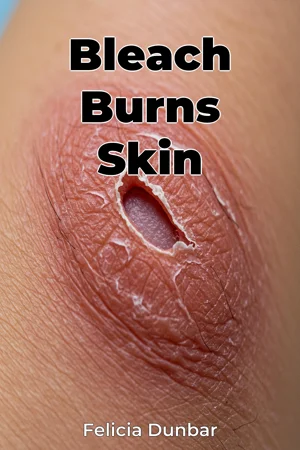
Have you ever wondered about the true extent of the damage that common household bleach can inflict on human skin beyond the occasional mild irritation? "Bleach Burns Skin" delves into the multifaceted effects of sodium hypochlorite exposure, drawing upon a wealth of medical reports and scientific studies to illuminate the often-underestimated dangers. This book aims to provide a comprehensive understanding of bleach-related skin injuries, their mechanisms, and effective treatment strategies. The core topics explored within these pages include the chemical properties of sodium hypochlorite responsible for tissue damage, the spectrum of cutaneous injuries resulting from varying concentrations and exposure durations, and the long-term health consequences that can arise from seemingly minor bleach burns. These topics are significant because household and industrial use of bleach is widespread, leading to frequent, often preventable, incidents. Understanding the potential for harm empowers individuals to take necessary precautions and seek appropriate medical attention when needed. To fully appreciate the modern implications of bleach exposure, this book provides relevant background information on the history of its use in sanitation and disinfection, tracing its evolution from early medical applications to its current ubiquitous presence in homes and workplaces. No prior advanced scientific knowledge is required; fundamental concepts in chemistry and dermatology are introduced and explained within the text. The central argument of "Bleach Burns Skin" is that the severity and long-term consequences of skin damage from sodium hypochlorite are often underestimated, leading to inadequate prevention and treatment. This argument is crucial within both the medical field and public health as it advocates for improved safety protocols, enhanced diagnostic accuracy, and more effective therapeutic interventions. The book is structured to systematically build knowledge, beginning with an introduction to the chemical and physical properties of sodium hypochlorite and its mechanism of action on human tissue. It then develops the discussion around several major points: first, a classification of bleach-induced skin injuries, ranging from mild irritant dermatitis to severe corrosive burns; second, an in-depth analysis of the physiological and pathological changes that occur in the skin following bleach exposure, emphasizing the role of oxidative stress and inflammation; and third, an examination of the factors that influence the severity of the injury, such as concentration, duration of exposure, and individual susceptibility. The book culminates by presenting current best practices in the treatment of bleach-induced skin injuries, discussing both immediate first aid measures and advanced medical interventions, highlighting the importance of preventative strategies. The evidence presented in "Bleach Burns Skin" is primarily drawn from peer-reviewed medical literature, case studies, and clinical trials focusing on the effects of sodium hypochlorite on human skin. Unique data sources include retrospective analyses of hospital records and prospective observational studies conducted in occupational settings where bleach exposure is common. Standard methodologies in toxicology, dermatology, and pathology are employed to analyze and interpret the data. This book connects to several other fields of study including toxicology, focusing specifically on the effects of chemical agents on living organisms. It also connects to public health, through the development of preventative measures, and occupational safety, concerning the mitigation of risks in industrial settings where bleach is commonly used. These multidisciplinary connections enrich the book’s argument by contextualizing bleach-induced skin injuries within broader scientific and social frameworks. The approach taken in "Bleach Burns Skin" is unique because it synthesizes information from diverse sources into a single, accessible resource. It particularly emphasizes the practical implications of the research, translating complex scientific findings into actionable recommendations for prevention and treatment. Written in a clear and accessible style, the book targets a diverse audience, including healthcare professionals (dermatologists, emergency room physicians, nurses), occupational health and safety specialists, and concerned members of the public who wish to better understand the risks associated with bleach exposure. It provides valuable information for anyone seeking to enhance their knowledge of the subject matter and promote safer practices. As a work of medical science, the book maintains a high standard of accuracy and objectivity, adhering to the conventions of evidence-based reporting and critical analysis. The scope of the book is limited to the effects of sodium hypochlorite on human skin and does not extend to other potential health hazards associated with bleach exposure, such as respiratory or gastrointestinal effects. This intentional limitation allows for a more focused and in-depth exploration of the topic. The information presented in "Bleach Burns Skin" has numerous real-world applications. It can inform the development of safer bleach formulations, guide the creation of more effective first aid protocols, and support the implementation of stricter occupational safety regulations. It helps the reader distinguish between effective treatment and harmful myths. While the harmful effects of bleach on skin are generally accepted, ongoing debates persist regarding the optimal concentration of bleach for disinfection purposes, balancing efficacy against the risk of adverse health effects. This book addresses these debates by presenting a balanced analysis of the available evidence and offering practical guidance on minimizing the risk of skin injury.
Have you ever wondered about the true extent of the damage that common household bleach can inflict on human skin beyond the occasional mild irritation? "Bleach Burns Skin" delves into the multifaceted effects of sodium hypochlorite exposure, drawing upon a wealth of medical reports and scientific studies to illuminate the often-underestimated dangers. This book aims to provide a comprehensive understanding of bleach-related skin injuries, their mechanisms, and effective treatment strategies. The core topics explored within these pages include the chemical properties of sodium hypochlorite responsible for tissue damage, the spectrum of cutaneous injuries resulting from varying concentrations and exposure durations, and the long-term health consequences that can arise from seemingly minor bleach burns. These topics are significant because household and industrial use of bleach is widespread, leading to frequent, often preventable, incidents. Understanding the potential for harm empowers individuals to take necessary precautions and seek appropriate medical attention when needed. To fully appreciate the modern implications of bleach exposure, this book provides relevant background information on the history of its use in sanitation and disinfection, tracing its evolution from early medical applications to its current ubiquitous presence in homes and workplaces. No prior advanced scientific knowledge is required; fundamental concepts in chemistry and dermatology are introduced and explained within the text. The central argument of "Bleach Burns Skin" is that the severity and long-term consequences of skin damage from sodium hypochlorite are often underestimated, leading to inadequate prevention and treatment. This argument is crucial within both the medical field and public health as it advocates for improved safety protocols, enhanced diagnostic accuracy, and more effective therapeutic interventions. The book is structured to systematically build knowledge, beginning with an introduction to the chemical and physical properties of sodium hypochlorite and its mechanism of action on human tissue. It then develops the discussion around several major points: first, a classification of bleach-induced skin injuries, ranging from mild irritant dermatitis to severe corrosive burns; second, an in-depth analysis of the physiological and pathological changes that occur in the skin following bleach exposure, emphasizing the role of oxidative stress and inflammation; and third, an examination of the factors that influence the severity of the injury, such as concentration, duration of exposure, and individual susceptibility. The book culminates by presenting current best practices in the treatment of bleach-induced skin injuries, discussing both immediate first aid measures and advanced medical interventions, highlighting the importance of preventative strategies. The evidence presented in "Bleach Burns Skin" is primarily drawn from peer-reviewed medical literature, case studies, and clinical trials focusing on the effects of sodium hypochlorite on human skin. Unique data sources include retrospective analyses of hospital records and prospective observational studies conducted in occupational settings where bleach exposure is common. Standard methodologies in toxicology, dermatology, and pathology are employed to analyze and interpret the data. This book connects to several other fields of study including toxicology, focusing specifically on the effects of chemical agents on living organisms. It also connects to public health, through the development of preventative measures, and occupational safety, concerning the mitigation of risks in industrial settings where bleach is commonly used. These multidisciplinary connections enrich the book’s argument by contextualizing bleach-induced skin injuries within broader scientific and social frameworks. The approach taken in "Bleach Burns Skin" is unique because it synthesizes information from diverse sources into a single, accessible resource. It particularly emphasizes the practical implications of the research, translating complex scientific findings into actionable recommendations for prevention and treatment. Written in a clear and accessible style, the book targets a diverse audience, including healthcare professionals (dermatologists, emergency room physicians, nurses), occupational health and safety specialists, and concerned members of the public who wish to better understand the risks associated with bleach exposure. It provides valuable information for anyone seeking to enhance their knowledge of the subject matter and promote safer practices. As a work of medical science, the book maintains a high standard of accuracy and objectivity, adhering to the conventions of evidence-based reporting and critical analysis. The scope of the book is limited to the effects of sodium hypochlorite on human skin and does not extend to other potential health hazards associated with bleach exposure, such as respiratory or gastrointestinal effects. This intentional limitation allows for a more focused and in-depth exploration of the topic. The information presented in "Bleach Burns Skin" has numerous real-world applications. It can inform the development of safer bleach formulations, guide the creation of more effective first aid protocols, and support the implementation of stricter occupational safety regulations. It helps the reader distinguish between effective treatment and harmful myths. While the harmful effects of bleach on skin are generally accepted, ongoing debates persist regarding the optimal concentration of bleach for disinfection purposes, balancing efficacy against the risk of adverse health effects. This book addresses these debates by presenting a balanced analysis of the available evidence and offering practical guidance on minimizing the risk of skin injury.
"Bleach Burns Skin" offers a comprehensive exploration of skin injuries resulting from sodium hypochlorite exposure, a topic often underestimated in its severity and long-term consequences. The book draws on medical reports and scientific studies to illuminate the dangers associated with bleach, from mild irritations to severe chemical burns. Did you know that even seemingly minor bleach burns can lead to long-term health issues? Or that the chemical properties of bleach directly contribute to tissue damage? The book progresses systematically, beginning with an overview of sodium hypochlorite's chemical properties and its mechanism of action on skin tissue. It then classifies bleach-induced skin injuries, analyzes physiological changes post-exposure, and examines factors influencing injury severity. This approach ensures readers gain a strong foundation in understanding how bleach affects the skin. Unique in its approach, "Bleach Burns Skin" synthesizes diverse sources into an accessible resource, emphasizing practical implications for prevention and treatment. It highlights best practices in treating bleach-induced injuries, covering immediate first aid and advanced medical interventions. The book will help improve safety protocols, enhance diagnostic accuracy, and promote effective therapeutic interventions.
Book Details
ISBN
9788235206039
Publisher
Publifye AS
Your Licenses
You don't own any licenses for this book
Purchase a license below to unlock this book and download the EPUB.
Purchase License
Select a tier to unlock this book
Need bulk licensing?
Contact us for enterprise agreements.