
About This Book
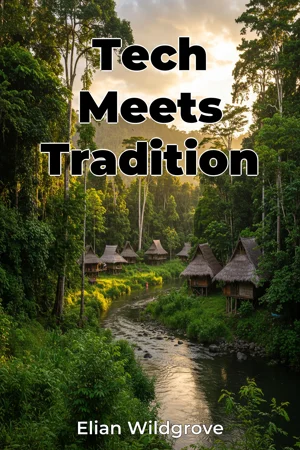
How can ancient wisdom and modern innovation coexist and even enhance one another? "Tech Meets Tradition" explores the complex and evolving relationship between technology and indigenous cultures worldwide, revealing how these communities are strategically integrating digital advancements into their existing practices, beliefs, and lifestyles. This integration isn't about replacement; instead, it showcases a powerful synergy where technology becomes a tool for cultural preservation, economic empowerment, and self-determination. The book focuses primarily on two central themes: the use of technology for cultural revitalization and its role in promoting sustainable development within indigenous communities. Cultural revitalization encompasses efforts to preserve languages, stories, and artistic traditions that may be at risk of disappearing. Technology, from digital archives to interactive language learning apps, provides new avenues for sharing and safeguarding these cultural treasures. Sustainable development looks at how technology can facilitate economic growth, improve healthcare access, and promote environmental stewardship in ways that align with indigenous values and traditional ecological knowledge. Understanding this dynamic requires acknowledging the historical context of colonialism and its lasting impact on indigenous communities. The book addresses issues of cultural appropriation and the digital divide, emphasizing the importance of ethical technology development and digital sovereignty. It assumes a basic understanding of social science concepts like cultural relativism and the impact of globalization. The core argument of "Tech Meets Tradition" is that when technology is implemented thoughtfully and respectfully, with indigenous communities leading the process, it can be a powerful force for good. It champions a model of technological integration that prioritizes indigenous agency, self-determination, and the preservation of cultural identity. This argument is vital because it challenges dominant narratives that often portray technology as a homogenizing force, offering instead a vision of how it can be used to amplify cultural diversity and strengthen community resilience. The book unfolds in three major sections. First, it introduces the key concepts of cultural revitalization and sustainable development within an indigenous context, examining the unique challenges these communities face in the 21st century. Second, it presents several case studies from across the globe, showcasing concrete examples of how technology is being adapted and utilized in diverse cultural settings. These case studies range from digital platforms for indigenous languages to renewable energy projects managed by local communities. Finally, it presents an analysis of the broader implications of these trends, exploring the ethical considerations, policy implications, and potential for future innovation. The book culminates with practical recommendations for policymakers, technologists, and community leaders who seek to promote responsible technology adoption in indigenous communities. The evidence presented relies on a combination of qualitative and quantitative research, including ethnographic studies, interviews with indigenous leaders and community members, and analysis of publicly available data on technology access and usage. The book also draws on reports from international organizations and non-governmental organizations working in this field. "Tech Meets Tradition" connects to several other fields of study, including anthropology, sociology, environmental studies, and information science. These interdisciplinary connections enrich the book's argument, providing a more holistic understanding of the complex interactions between technology, culture, and society. The book takes a unique approach by focusing on success stories and positive examples of technology integration. It aims to counteract the often-negative portrayals of technology in the context of indigenous communities, offering a more nuanced and optimistic perspective. The writing style is accessible and engaging, aimed at a broad audience of students, researchers, policymakers, and anyone interested in the intersection of technology and culture. The target audience includes undergraduate and graduate students in social sciences, technology studies, and indigenous studies, as well as policymakers, non-profit professionals, and anyone interested in learning more about the impact of technology on indigenous communities. As a work of non-fiction, "Tech Meets Tradition" adheres to principles of accuracy, objectivity, and transparency. The book acknowledges the limitations of its scope, focusing primarily on examples of successful technology integration while acknowledging the ongoing challenges and potential pitfalls. It also recognizes the diversity of indigenous experiences and avoids making generalizations about all indigenous communities. Ultimately, "Tech Meets Tradition" shows how readers can apply lessons from this book to real-world situations. It encourages a critical examination of one's own assumptions about technology and culture, as well as a deeper understanding of the importance of cultural sensitivity and ethical considerations in technology development. The book acknowledges ongoing debates surrounding issues of digital colonialism, data sovereignty, and the potential for technology to exacerbate existing inequalities within indigenous communities. It presents diverse perspectives on these issues, encouraging readers to engage in critical reflection and informed dialogue.
How can ancient wisdom and modern innovation coexist and even enhance one another? "Tech Meets Tradition" explores the complex and evolving relationship between technology and indigenous cultures worldwide, revealing how these communities are strategically integrating digital advancements into their existing practices, beliefs, and lifestyles. This integration isn't about replacement; instead, it showcases a powerful synergy where technology becomes a tool for cultural preservation, economic empowerment, and self-determination. The book focuses primarily on two central themes: the use of technology for cultural revitalization and its role in promoting sustainable development within indigenous communities. Cultural revitalization encompasses efforts to preserve languages, stories, and artistic traditions that may be at risk of disappearing. Technology, from digital archives to interactive language learning apps, provides new avenues for sharing and safeguarding these cultural treasures. Sustainable development looks at how technology can facilitate economic growth, improve healthcare access, and promote environmental stewardship in ways that align with indigenous values and traditional ecological knowledge. Understanding this dynamic requires acknowledging the historical context of colonialism and its lasting impact on indigenous communities. The book addresses issues of cultural appropriation and the digital divide, emphasizing the importance of ethical technology development and digital sovereignty. It assumes a basic understanding of social science concepts like cultural relativism and the impact of globalization. The core argument of "Tech Meets Tradition" is that when technology is implemented thoughtfully and respectfully, with indigenous communities leading the process, it can be a powerful force for good. It champions a model of technological integration that prioritizes indigenous agency, self-determination, and the preservation of cultural identity. This argument is vital because it challenges dominant narratives that often portray technology as a homogenizing force, offering instead a vision of how it can be used to amplify cultural diversity and strengthen community resilience. The book unfolds in three major sections. First, it introduces the key concepts of cultural revitalization and sustainable development within an indigenous context, examining the unique challenges these communities face in the 21st century. Second, it presents several case studies from across the globe, showcasing concrete examples of how technology is being adapted and utilized in diverse cultural settings. These case studies range from digital platforms for indigenous languages to renewable energy projects managed by local communities. Finally, it presents an analysis of the broader implications of these trends, exploring the ethical considerations, policy implications, and potential for future innovation. The book culminates with practical recommendations for policymakers, technologists, and community leaders who seek to promote responsible technology adoption in indigenous communities. The evidence presented relies on a combination of qualitative and quantitative research, including ethnographic studies, interviews with indigenous leaders and community members, and analysis of publicly available data on technology access and usage. The book also draws on reports from international organizations and non-governmental organizations working in this field. "Tech Meets Tradition" connects to several other fields of study, including anthropology, sociology, environmental studies, and information science. These interdisciplinary connections enrich the book's argument, providing a more holistic understanding of the complex interactions between technology, culture, and society. The book takes a unique approach by focusing on success stories and positive examples of technology integration. It aims to counteract the often-negative portrayals of technology in the context of indigenous communities, offering a more nuanced and optimistic perspective. The writing style is accessible and engaging, aimed at a broad audience of students, researchers, policymakers, and anyone interested in the intersection of technology and culture. The target audience includes undergraduate and graduate students in social sciences, technology studies, and indigenous studies, as well as policymakers, non-profit professionals, and anyone interested in learning more about the impact of technology on indigenous communities. As a work of non-fiction, "Tech Meets Tradition" adheres to principles of accuracy, objectivity, and transparency. The book acknowledges the limitations of its scope, focusing primarily on examples of successful technology integration while acknowledging the ongoing challenges and potential pitfalls. It also recognizes the diversity of indigenous experiences and avoids making generalizations about all indigenous communities. Ultimately, "Tech Meets Tradition" shows how readers can apply lessons from this book to real-world situations. It encourages a critical examination of one's own assumptions about technology and culture, as well as a deeper understanding of the importance of cultural sensitivity and ethical considerations in technology development. The book acknowledges ongoing debates surrounding issues of digital colonialism, data sovereignty, and the potential for technology to exacerbate existing inequalities within indigenous communities. It presents diverse perspectives on these issues, encouraging readers to engage in critical reflection and informed dialogue.
"Tech Meets Tradition" explores the intersection of modern technology and indigenous cultures, highlighting how digital advancements are being strategically integrated into traditional practices to foster cultural preservation, economic empowerment, and self-determination. This book offers a counter-narrative to the idea of technology as a homogenizing force, instead showcasing its potential to amplify cultural diversity. For example, technology aids in preserving endangered languages through digital archives and interactive apps, showcasing technology's role in cultural revitalization. The book progresses by first introducing key concepts like cultural revitalization and sustainable development within indigenous communities. It then presents global case studies demonstrating technology's adaptation in diverse cultural settings, such as community-managed renewable energy projects. Finally, it analyzes ethical considerations and policy implications, providing recommendations for responsible technology adoption. By focusing on success stories, "Tech Meets Tradition" provides a unique and optimistic perspective, making it valuable for students, researchers, policymakers, and anyone interested in the synergy between technology and culture.
Book Details
ISBN
9788235206008
Publisher
Publifye AS
Your Licenses
You don't own any licenses for this book
Purchase a license below to unlock this book and download the EPUB.
Purchase License
Select a tier to unlock this book
Need bulk licensing?
Contact us for enterprise agreements.