
About This Book
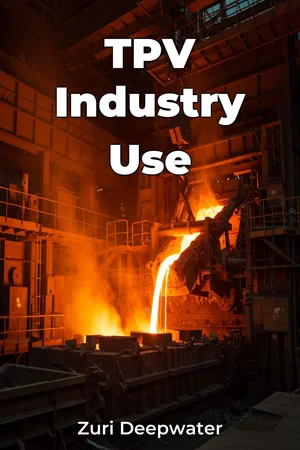
Can thermophotovoltaic (TPV) technology revolutionize energy consumption in two of the world's most energy-intensive industries? This book, "TPV Industry Use," explores the potential of thermophotovoltaics to enhance efficiency and sustainability within the steel and cement production sectors, arguing that strategic implementation of TPV systems can significantly reduce operational costs and environmental impact. The key topics addressed are the fundamental principles of TPV technology, its practical application in high-temperature industrial processes, and a comprehensive efficiency and cost-benefit analysis specific to steel and cement manufacturing. The context for this exploration lies in the global push for decarbonization and the increasing demand for energy-efficient solutions across all industries. Steel and cement production, vital for global infrastructure, are currently major contributors to greenhouse gas emissions. Readers should possess a basic understanding of thermodynamics, photovoltaic energy conversion, and industrial manufacturing processes to fully appreciate the book's technical depth. The central argument posits that integrating TPV systems – which convert thermal radiation into electricity – into the waste heat recovery processes of steel and cement plants offers a viable pathway to improve energy efficiency, reduce reliance on fossil fuels, and lower carbon emissions. This contrasts with traditional waste heat recovery methods that often involve complex and less efficient steam cycles. The book's structure begins with an introduction to the underlying science of thermophotovoltaics, detailing semiconductor materials, emitter designs, and system configurations optimized for high-temperature environments. The subsequent chapters delve into the specific challenges and opportunities associated with implementing TPV systems in steel and cement plants. This includes analyzing the heat source characteristics, temperature profiles, and operational constraints of each industry. The core of the book presents detailed case studies and modeling results, comparing the performance of TPV-integrated systems against conventional technologies in terms of energy output, cost savings, and emissions reduction. It culminates in a comprehensive assessment of the economic feasibility and scalability of TPV technology within these sectors, outlining potential barriers to adoption and strategies for overcoming them. Finally, it explores policy implications and the role of government incentives in promoting widespread TPV adoption. The evidence presented relies on a combination of theoretical modeling, experimental data from pilot projects, and techno-economic analysis. Unique data sources include previously unpublished data from TPV system manufacturers and detailed energy audits of operating steel and cement plants. Established methodologies in energy engineering and materials science are applied. This study connects to the broader fields of renewable energy, materials science, and environmental engineering. It also intersects with business management principles, particularly concerning operational efficiency, cost reduction, and sustainable practices. Further connection exists to government regulatory policy and economics surrounding carbon reduction incentives. The unique approach lies in its industry-specific focus on steel and cement, providing a granular analysis of the technical and economic factors influencing TPV adoption in these sectors. It goes beyond theoretical discussions by offering practical solutions tailored to the unique demands of these industries. The tone and writing style adopt a professional, fact-based approach, aiming for clarity and precision while maintaining accessibility for a diverse audience. Complex concepts are explained using illustrative examples and visual aids. The target audience includes engineers, researchers, policymakers, and business managers involved in the steel, cement, and renewable energy industries. It would also be relevant to graduate students studying energy systems, materials science, or environmental policy. The book provides valuable insights for those seeking to understand and implement innovative energy solutions in these critical industrial sectors. As a work of technology, management, and business management, the book provides insights into technological innovation, strategic decision-making regarding technology adoption, and the business case for investing in sustainable practices. The scope is limited to the application of TPV technology within the steel and cement industries, excluding other potential applications in sectors like transportation or residential heating. This focus allows for a more in-depth analysis of the specific challenges and opportunities in these key industries. The information presented can be applied practically by readers to evaluate the feasibility of implementing TPV systems in their own facilities, to inform investment decisions, and to guide research and development efforts in this emerging field. The book addresses the ongoing debates surrounding the cost-effectiveness and long-term reliability of TPV technology compared to established alternatives. It provides a balanced assessment of the potential benefits and risks, acknowledging the need for further research and development to optimize system performance and reduce costs.
Can thermophotovoltaic (TPV) technology revolutionize energy consumption in two of the world's most energy-intensive industries? This book, "TPV Industry Use," explores the potential of thermophotovoltaics to enhance efficiency and sustainability within the steel and cement production sectors, arguing that strategic implementation of TPV systems can significantly reduce operational costs and environmental impact. The key topics addressed are the fundamental principles of TPV technology, its practical application in high-temperature industrial processes, and a comprehensive efficiency and cost-benefit analysis specific to steel and cement manufacturing. The context for this exploration lies in the global push for decarbonization and the increasing demand for energy-efficient solutions across all industries. Steel and cement production, vital for global infrastructure, are currently major contributors to greenhouse gas emissions. Readers should possess a basic understanding of thermodynamics, photovoltaic energy conversion, and industrial manufacturing processes to fully appreciate the book's technical depth. The central argument posits that integrating TPV systems – which convert thermal radiation into electricity – into the waste heat recovery processes of steel and cement plants offers a viable pathway to improve energy efficiency, reduce reliance on fossil fuels, and lower carbon emissions. This contrasts with traditional waste heat recovery methods that often involve complex and less efficient steam cycles. The book's structure begins with an introduction to the underlying science of thermophotovoltaics, detailing semiconductor materials, emitter designs, and system configurations optimized for high-temperature environments. The subsequent chapters delve into the specific challenges and opportunities associated with implementing TPV systems in steel and cement plants. This includes analyzing the heat source characteristics, temperature profiles, and operational constraints of each industry. The core of the book presents detailed case studies and modeling results, comparing the performance of TPV-integrated systems against conventional technologies in terms of energy output, cost savings, and emissions reduction. It culminates in a comprehensive assessment of the economic feasibility and scalability of TPV technology within these sectors, outlining potential barriers to adoption and strategies for overcoming them. Finally, it explores policy implications and the role of government incentives in promoting widespread TPV adoption. The evidence presented relies on a combination of theoretical modeling, experimental data from pilot projects, and techno-economic analysis. Unique data sources include previously unpublished data from TPV system manufacturers and detailed energy audits of operating steel and cement plants. Established methodologies in energy engineering and materials science are applied. This study connects to the broader fields of renewable energy, materials science, and environmental engineering. It also intersects with business management principles, particularly concerning operational efficiency, cost reduction, and sustainable practices. Further connection exists to government regulatory policy and economics surrounding carbon reduction incentives. The unique approach lies in its industry-specific focus on steel and cement, providing a granular analysis of the technical and economic factors influencing TPV adoption in these sectors. It goes beyond theoretical discussions by offering practical solutions tailored to the unique demands of these industries. The tone and writing style adopt a professional, fact-based approach, aiming for clarity and precision while maintaining accessibility for a diverse audience. Complex concepts are explained using illustrative examples and visual aids. The target audience includes engineers, researchers, policymakers, and business managers involved in the steel, cement, and renewable energy industries. It would also be relevant to graduate students studying energy systems, materials science, or environmental policy. The book provides valuable insights for those seeking to understand and implement innovative energy solutions in these critical industrial sectors. As a work of technology, management, and business management, the book provides insights into technological innovation, strategic decision-making regarding technology adoption, and the business case for investing in sustainable practices. The scope is limited to the application of TPV technology within the steel and cement industries, excluding other potential applications in sectors like transportation or residential heating. This focus allows for a more in-depth analysis of the specific challenges and opportunities in these key industries. The information presented can be applied practically by readers to evaluate the feasibility of implementing TPV systems in their own facilities, to inform investment decisions, and to guide research and development efforts in this emerging field. The book addresses the ongoing debates surrounding the cost-effectiveness and long-term reliability of TPV technology compared to established alternatives. It provides a balanced assessment of the potential benefits and risks, acknowledging the need for further research and development to optimize system performance and reduce costs.
"TPV Industry Use" examines the potential of thermophotovoltaic (TPV) technology to revolutionize energy efficiency and promote decarbonization within the steel and cement industries. These sectors, crucial for global infrastructure, are significant contributors to greenhouse gas emissions, making the adoption of innovative technologies like TPV vital. The approach involves a deep dive into the fundamental principles of TPV systems, which convert thermal radiation into electricity, and how they can be strategically integrated into high-temperature industrial processes. The book offers a detailed cost-benefit analysis, demonstrating how TPV can lead to substantial operational savings and environmental impact reduction. The book uniquely focuses on the steel and cement industries, offering a granular analysis of the technical and economic factors influencing TPV adoption. It begins by introducing the science behind thermophotovoltaics, including semiconductor materials and system configurations. Subsequent chapters explore the specific challenges and opportunities of implementing TPV systems in steel and cement plants, including analysis of heat source characteristics and temperature profiles. Case studies and modeling results compare TPV-integrated systems against conventional technologies to give a good understanding of energy output, cost savings, and emissions reduction. Finally, the book assesses the economic feasibility and scalability of TPV technology within these sectors, outlining potential barriers and strategies for overcoming them and exploring policy implications. It utilizes a combination of theoretical modeling, experimental data, and techno-economic analysis to present a balanced assessment, making it a valuable resource for engineers, researchers, policymakers, and business managers in the steel, cement, and renewable energy sectors.
Book Details
ISBN
9788235205889
Publisher
Publifye AS
Your Licenses
You don't own any licenses for this book
Purchase a license below to unlock this book and download the EPUB.
Purchase License
Select a tier to unlock this book
Need bulk licensing?
Contact us for enterprise agreements.