
About This Book
How did castaways survive immense ocean drifts, not simply enduring, but maintaining hope against impossible odds? "Deep Swells Endure" explores documented incidents of survival at sea, focusing on the critical interplay of improvised flotation techniques and the preservation of morale in extreme conditions. This book addresses the vital need to understand the psychological and practical factors that determine survival when adrift, topics of enduring relevance for maritime history enthusiasts, survival experts, and anyone interested in the limits of human resilience. The narrative unfolds against the backdrop of centuries of maritime exploration and disaster, drawing from historical accounts of shipwrecks, lost expeditions, and wartime sinkings. It contextualizes the evolution of survival strategies, from rudimentary rafts to innovative uses of salvaged materials, and examines the brutal realities faced by those adrift: starvation, dehydration, exposure, and the psychological toll of isolation. The central argument proposes that successful survival hinges not solely on physical endurance, but on the ability to adapt, innovate, and maintain a sense of purpose in the face of overwhelming despair. "Deep Swells Endure" is structured to first establish the historical context, detailing significant maritime disasters and the immediate aftermath for survivors. The book then develops its core themes. Firstly, it analyzes various methods of flotation, from makeshift rafts constructed from debris to the utilization of buoyant cargo, evaluating their effectiveness and limitations through case studies. Secondly, the book examines the crucial role of morale, exploring the psychological impact of prolonged exposure, the significance of leadership and social cohesion (where applicable), and the use of rituals, routines, and shared beliefs to combat hopelessness. Finally, it culminates in an assessment of lessons learned, providing practical strategies for improving survival rates in future maritime emergencies and highlighting the enduring power of the human spirit. The book’s conclusions are supported by a wide range of sources, including survivor testimonies, naval archives, historical logs, and scientific studies on hypothermia, dehydration, and the psychology of survival. Unique data sources include previously untranslated accounts from international maritime archives and analyses of debris fields to infer construction techniques. "Deep Swells Endure" connects to disciplines such as psychology, engineering, and maritime history, providing a holistic understanding of survival at sea. The psychological elements explore the effects of trauma and isolation, the engineering assesses the practicalities of raft design, and the historical analysis provides context to the human response to maritime disasters. Its unique approach lies in combining rigorous historical analysis with practical survival strategies and psychological insights. The book adopts a narrative non-fiction style, balancing detailed historical accounts with accessible explanations of scientific and psychological concepts. It aims to engage readers with compelling stories of survival while providing valuable information and insights. The intended audience includes maritime historians, survival enthusiasts, and anyone intrigued by the intersection of human resilience and extreme environments. It serves as a valuable resource for understanding historical events and gleaning practical insights applicable to contemporary maritime safety and survival training. The scope focuses on documented incidents of survival following maritime disasters occurring between the 16th and 20th centuries, acknowledging the limitations of available data and the inherent biases in survivor accounts. While not a comprehensive manual for modern survival techniques, the book offers timeless principles applicable to various extreme situations, underscoring the importance of resourcefulness, resilience, and the will to live. Relevant ongoing debates about maritime safety standards and psychological preparedness for disaster are also addressed.
How did castaways survive immense ocean drifts, not simply enduring, but maintaining hope against impossible odds? "Deep Swells Endure" explores documented incidents of survival at sea, focusing on the critical interplay of improvised flotation techniques and the preservation of morale in extreme conditions. This book addresses the vital need to understand the psychological and practical factors that determine survival when adrift, topics of enduring relevance for maritime history enthusiasts, survival experts, and anyone interested in the limits of human resilience. The narrative unfolds against the backdrop of centuries of maritime exploration and disaster, drawing from historical accounts of shipwrecks, lost expeditions, and wartime sinkings. It contextualizes the evolution of survival strategies, from rudimentary rafts to innovative uses of salvaged materials, and examines the brutal realities faced by those adrift: starvation, dehydration, exposure, and the psychological toll of isolation. The central argument proposes that successful survival hinges not solely on physical endurance, but on the ability to adapt, innovate, and maintain a sense of purpose in the face of overwhelming despair. "Deep Swells Endure" is structured to first establish the historical context, detailing significant maritime disasters and the immediate aftermath for survivors. The book then develops its core themes. Firstly, it analyzes various methods of flotation, from makeshift rafts constructed from debris to the utilization of buoyant cargo, evaluating their effectiveness and limitations through case studies. Secondly, the book examines the crucial role of morale, exploring the psychological impact of prolonged exposure, the significance of leadership and social cohesion (where applicable), and the use of rituals, routines, and shared beliefs to combat hopelessness. Finally, it culminates in an assessment of lessons learned, providing practical strategies for improving survival rates in future maritime emergencies and highlighting the enduring power of the human spirit. The book’s conclusions are supported by a wide range of sources, including survivor testimonies, naval archives, historical logs, and scientific studies on hypothermia, dehydration, and the psychology of survival. Unique data sources include previously untranslated accounts from international maritime archives and analyses of debris fields to infer construction techniques. "Deep Swells Endure" connects to disciplines such as psychology, engineering, and maritime history, providing a holistic understanding of survival at sea. The psychological elements explore the effects of trauma and isolation, the engineering assesses the practicalities of raft design, and the historical analysis provides context to the human response to maritime disasters. Its unique approach lies in combining rigorous historical analysis with practical survival strategies and psychological insights. The book adopts a narrative non-fiction style, balancing detailed historical accounts with accessible explanations of scientific and psychological concepts. It aims to engage readers with compelling stories of survival while providing valuable information and insights. The intended audience includes maritime historians, survival enthusiasts, and anyone intrigued by the intersection of human resilience and extreme environments. It serves as a valuable resource for understanding historical events and gleaning practical insights applicable to contemporary maritime safety and survival training. The scope focuses on documented incidents of survival following maritime disasters occurring between the 16th and 20th centuries, acknowledging the limitations of available data and the inherent biases in survivor accounts. While not a comprehensive manual for modern survival techniques, the book offers timeless principles applicable to various extreme situations, underscoring the importance of resourcefulness, resilience, and the will to live. Relevant ongoing debates about maritime safety standards and psychological preparedness for disaster are also addressed.
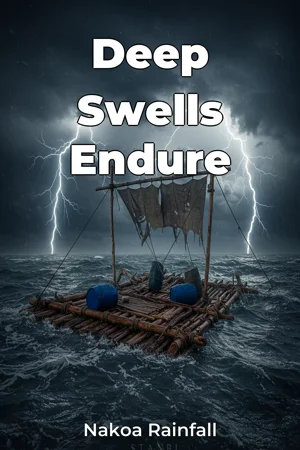
"Deep Swells Endure" delves into the harrowing world of maritime survival, exploring how castaways have defied the odds throughout history. It examines the critical role of improvised flotation techniques, from rudimentary rafts to utilizing buoyant cargo, in extending survival times. The book also highlights the surprising power of morale, revealing how maintaining hope and a sense of purpose can be as vital as physical endurance in extreme conditions, such as the psychological toll of isolation faced by those adrift. Beginning with a historical overview of significant maritime disasters, the book progresses to analyze specific survival methods and their effectiveness through compelling case studies. It emphasizes the psychological aspects of survival, illustrating how leadership, social cohesion (when possible), and even simple routines can combat hopelessness. By drawing on survivor testimonies, naval archives, and scientific studies, "Deep Swells Endure" offers a unique perspective on human resilience and provides timeless lessons applicable to understanding both historical events and contemporary maritime safety.
Book Details
ISBN
9788235205872
Publisher
Publifye AS
Your Licenses
You don't own any licenses for this book
Purchase a license below to unlock this book and download the EPUB.
Purchase License
Select a tier to unlock this book
Need bulk licensing?
Contact us for enterprise agreements.