
About This Book
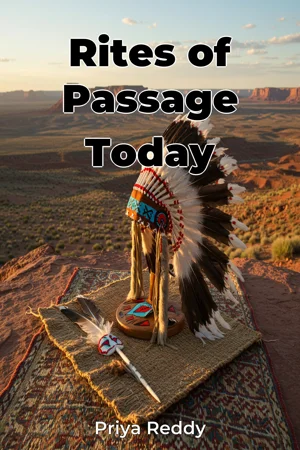
What happens when ancient traditions meet the modern world? "Rites of Passage Today" examines the enduring presence and adaptation of indigenous coming-of-age ceremonies in contemporary society. This book explores why these traditions persist, how they have evolved, and their crucial role in shaping individual and community identity. Understanding these rites is vital for appreciating cultural diversity, fostering intercultural dialogue, and recognizing the psychological and social benefits they offer, especially in an era of rapid globalization and cultural homogenization. This book delves into the historical context of indigenous rites of passage, tracing their roots and exploring their significance within their original cultural settings. We will explore how colonization, globalization, and modernization have impacted these traditions, in some cases leading to their decline, but also sparking innovative adaptations and revivals. While not a prerequisite, some familiarity with anthropological concepts like cultural relativism and ethnography will enrich the reader’s understanding. The central argument of "Rites of Passage Today" is that, despite the pressures of modernity, indigenous coming-of-age rites continue to provide essential frameworks for identity formation, community cohesion, and the transmission of cultural knowledge. These rites are not simply relics of the past but dynamic practices that adapt to changing social landscapes while retaining their core values and functions. The book is structured to first introduce the foundational concepts of rites of passage, including their anthropological definitions, common elements, and diverse forms across various indigenous cultures. The subsequent sections then focus on specific case studies from around the world, examining how these rites are practiced today. Major points will include: (1) the impact of globalization on indigenous cultures and their rites of passage, (2) the revitalization efforts undertaken by indigenous communities to preserve their cultural heritage, and (3) the adaptation of traditional rites to address contemporary challenges such as urbanization and climate change. The book culminates by exploring the broader implications of these findings for cross-cultural understanding, social justice, and the future of indigenous cultures. It also considers the applications of these insights into modern educational and therapeutic practices. The evidence presented will draw from ethnographic research, oral histories, and contemporary accounts of indigenous coming-of-age ceremonies. Unique data sources will include interviews with indigenous elders, participants in rites of passage, and community leaders, offering firsthand perspectives on the significance and challenges of maintaining these traditions. "Rites of Passage Today" connects to several interdisciplinary fields, including anthropology, sociology, and psychology. Anthropologically, it provides insights into cultural transmission, social change, and the resilience of indigenous cultures. Sociologically, it examines the role of rites of passage in shaping social identities and reinforcing community bonds. Psychologically, it explores the impact of these rites on individual development, self-esteem, and mental well-being. These interdisciplinary connections enrich the book's argument by providing a holistic understanding of the multifaceted nature of rites of passage. What makes this book unique is its focus on the present-day realities of indigenous coming-of-age traditions. It moves beyond romanticized notions of the past to explore how these rites are actively being shaped and reshaped by contemporary forces. The book adopts a balanced and respectful tone, aiming to present information in an accessible yet academically rigorous manner. The intended audience includes students and scholars in anthropology, sociology, history, and indigenous studies, as well as anyone interested in cultural diversity, social justice, and the preservation of cultural heritage. The book will be valuable to those seeking a deeper understanding of indigenous cultures and the challenges and opportunities they face in the modern world. As a work of social science and history, this book adheres to the conventions of rigorous research, evidence-based analysis, and objective presentation of information. The scope of "Rites of Passage Today" is broad, encompassing a diverse range of indigenous cultures from around the globe. However, it also acknowledges its limitations in providing an exhaustive account of every tradition. The book aims to offer a representative sample of case studies, highlighting both the commonalities and differences in how rites of passage are practiced today. The information in this book can be applied practically by educators, social workers, and policymakers seeking to promote cultural understanding and support indigenous communities. It can inform the development of culturally sensitive programs and initiatives that respect and preserve indigenous traditions. While the value of preserving indigenous cultures is widely recognized, debates exist regarding the appropriate ways to support these communities without imposing external values or interfering with their self-determination. "Rites of Passage Today" addresses these controversies by emphasizing the importance of indigenous voices and perspectives in shaping the future of their traditions.
What happens when ancient traditions meet the modern world? "Rites of Passage Today" examines the enduring presence and adaptation of indigenous coming-of-age ceremonies in contemporary society. This book explores why these traditions persist, how they have evolved, and their crucial role in shaping individual and community identity. Understanding these rites is vital for appreciating cultural diversity, fostering intercultural dialogue, and recognizing the psychological and social benefits they offer, especially in an era of rapid globalization and cultural homogenization. This book delves into the historical context of indigenous rites of passage, tracing their roots and exploring their significance within their original cultural settings. We will explore how colonization, globalization, and modernization have impacted these traditions, in some cases leading to their decline, but also sparking innovative adaptations and revivals. While not a prerequisite, some familiarity with anthropological concepts like cultural relativism and ethnography will enrich the reader’s understanding. The central argument of "Rites of Passage Today" is that, despite the pressures of modernity, indigenous coming-of-age rites continue to provide essential frameworks for identity formation, community cohesion, and the transmission of cultural knowledge. These rites are not simply relics of the past but dynamic practices that adapt to changing social landscapes while retaining their core values and functions. The book is structured to first introduce the foundational concepts of rites of passage, including their anthropological definitions, common elements, and diverse forms across various indigenous cultures. The subsequent sections then focus on specific case studies from around the world, examining how these rites are practiced today. Major points will include: (1) the impact of globalization on indigenous cultures and their rites of passage, (2) the revitalization efforts undertaken by indigenous communities to preserve their cultural heritage, and (3) the adaptation of traditional rites to address contemporary challenges such as urbanization and climate change. The book culminates by exploring the broader implications of these findings for cross-cultural understanding, social justice, and the future of indigenous cultures. It also considers the applications of these insights into modern educational and therapeutic practices. The evidence presented will draw from ethnographic research, oral histories, and contemporary accounts of indigenous coming-of-age ceremonies. Unique data sources will include interviews with indigenous elders, participants in rites of passage, and community leaders, offering firsthand perspectives on the significance and challenges of maintaining these traditions. "Rites of Passage Today" connects to several interdisciplinary fields, including anthropology, sociology, and psychology. Anthropologically, it provides insights into cultural transmission, social change, and the resilience of indigenous cultures. Sociologically, it examines the role of rites of passage in shaping social identities and reinforcing community bonds. Psychologically, it explores the impact of these rites on individual development, self-esteem, and mental well-being. These interdisciplinary connections enrich the book's argument by providing a holistic understanding of the multifaceted nature of rites of passage. What makes this book unique is its focus on the present-day realities of indigenous coming-of-age traditions. It moves beyond romanticized notions of the past to explore how these rites are actively being shaped and reshaped by contemporary forces. The book adopts a balanced and respectful tone, aiming to present information in an accessible yet academically rigorous manner. The intended audience includes students and scholars in anthropology, sociology, history, and indigenous studies, as well as anyone interested in cultural diversity, social justice, and the preservation of cultural heritage. The book will be valuable to those seeking a deeper understanding of indigenous cultures and the challenges and opportunities they face in the modern world. As a work of social science and history, this book adheres to the conventions of rigorous research, evidence-based analysis, and objective presentation of information. The scope of "Rites of Passage Today" is broad, encompassing a diverse range of indigenous cultures from around the globe. However, it also acknowledges its limitations in providing an exhaustive account of every tradition. The book aims to offer a representative sample of case studies, highlighting both the commonalities and differences in how rites of passage are practiced today. The information in this book can be applied practically by educators, social workers, and policymakers seeking to promote cultural understanding and support indigenous communities. It can inform the development of culturally sensitive programs and initiatives that respect and preserve indigenous traditions. While the value of preserving indigenous cultures is widely recognized, debates exist regarding the appropriate ways to support these communities without imposing external values or interfering with their self-determination. "Rites of Passage Today" addresses these controversies by emphasizing the importance of indigenous voices and perspectives in shaping the future of their traditions.
"Rites of Passage Today" explores the survival and evolution of indigenous coming-of-age ceremonies in the face of globalization and modernization. It highlights how these rites continue to play a vital role in shaping cultural identity and community cohesion. The book examines the impact of historical forces on these traditions, including colonization, while also noting the innovative ways indigenous communities are adapting and revitalizing their cultural heritage. The book's unique value lies in its contemporary focus, moving beyond historical accounts to analyze the present-day realities of these rites. It reveals intriguing insights, such as how some communities are adapting traditional rites to address modern challenges like urbanization and climate change. Drawing on ethnography, oral histories, and interviews, the book presents firsthand perspectives on the significance of these rites. Structured to first introduce the foundational concepts of rites of passage, the book then progresses through case studies from around the world. It culminates by exploring the broader implications for cross-cultural understanding and social justice, making it a valuable resource for anyone interested in cultural diversity and the future of indigenous cultures.
Book Details
ISBN
9788235205797
Publisher
Publifye AS
Your Licenses
You don't own any licenses for this book
Purchase a license below to unlock this book and download the EPUB.
Purchase License
Select a tier to unlock this book
Need bulk licensing?
Contact us for enterprise agreements.