
About This Book
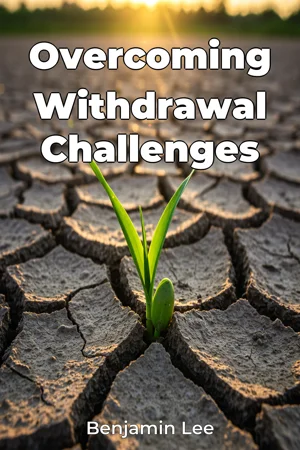
Are you, or is someone you know, grappling with the complex and challenging experience of withdrawal? "Overcoming Withdrawal Challenges" offers a comprehensive, evidence-based exploration of the physical and psychological effects of withdrawal, providing readers with a roadmap to navigate this difficult process effectively. This book delves into two core aspects: the physiological mechanisms behind withdrawal and the psychological strategies crucial for managing its impact. Understanding both is paramount to successful recovery and long-term well-being. Withdrawal is not simply a physical phenomenon; it profoundly affects the mind, emotions, and behavior. This book provides necessary context by examining the neurobiological underpinnings of withdrawal, tracing its roots to the body's adaptive responses to substances or behaviors. We will explore how chronic exposure alters brain chemistry, leading to dependence and, subsequently, withdrawal symptoms when the substance or behavior is discontinued. Readers will gain a solid foundation in the biological processes involved, without requiring prior in-depth knowledge of neuroscience. The central argument of "Overcoming Withdrawal Challenges" is that a holistic approach, integrating both physical and psychological interventions, is the most effective path to managing and overcoming withdrawal. This perspective underscores the interconnectedness of the body and mind, highlighting how psychological techniques can mitigate physical symptoms, and vice versa. This argument is significant because it challenges traditional, often fragmented approaches to withdrawal management, which may focus solely on medical interventions or psychological therapy. The book unfolds systematically, beginning with an introduction to the concept of withdrawal, its various forms (from substances to behavioral addictions), and the common physiological and psychological symptoms. From there, we explore the biological mechanisms, detailing how specific substances or behaviors affect the brain's reward system, neurotransmitter production, and stress response. The core sections focus on practical strategies for managing withdrawal symptoms. These include evidence-based techniques such as cognitive-behavioral therapy (CBT), mindfulness practices, and lifestyle modifications (diet, exercise, sleep hygiene). We give detailed guidance on creating a supportive environment, seeking professional help, and developing relapse prevention plans. The conclusion synthesizes these elements into a comprehensive recovery framework and discusses long-term strategies for maintaining well-being and preventing future relapse. The book draws upon a wide range of research, including clinical trials on pharmacological and psychological interventions for withdrawal, neuroimaging studies illuminating brain changes during withdrawal, and epidemiological data on the prevalence and patterns of substance use and addiction. We also incorporate case studies and personal narratives to illustrate the lived experience of withdrawal and recovery, making the information relatable and accessible. "Overcoming Withdrawal Challenges" is designed to bridge the gap between different disciplines. It connects health and fitness by emphasizing the role of physical activity and nutrition in recovery. It draws connections to general health by exploring the impact of withdrawal on the body's systems. And it draws on the field of psychology by detailing the psychological processes inherent in addiction and recovery, and presenting evidence based approaches for managing cravings, negative emotions, and triggers related to withdrawal. This book uniquely integrates physiological explanations with practical psychological strategies. It goes beyond simply describing the symptoms of withdrawal by providing actionable steps readers can take to manage their experiences and progress toward lasting recovery. The tone is informative, supportive, and empowering, aimed at instilling hope and confidence in readers facing the challenges of withdrawal. The target audience includes individuals experiencing withdrawal, their families and loved ones, healthcare professionals, and anyone seeking a deeper understanding of addiction and recovery. This book offers valuable insights and strategies for navigating the withdrawal process safely and effectively. The book is non-fiction, falling within the Health & Fitness and Psychology genres. As such, it adheres to the conventions of evidence-based writing, presenting information in a clear, concise, and objective manner, and backing up claims with scientific research. While "Overcoming Withdrawal Challenges" provides a comprehensive overview of withdrawal, it is not intended to be a substitute for professional medical or psychological care. The scope is limited to providing general information and self-help strategies; it does not offer personalized treatment recommendations. The knowledge and strategies presented here can be directly applied to manage withdrawal symptoms, create a supportive recovery environment, and develop long-term relapse prevention plans. There are differing views on the most effective approaches to treating addiction and managing withdrawal. This book acknowledges these controversies, presenting a balanced perspective and emphasizing the importance of individualized treatment plans tailored to each person's unique needs and circumstances. It also recognizes that the use of Medication Assisted Treatment (MAT) is one valid approach to consider when treating addiction.
Are you, or is someone you know, grappling with the complex and challenging experience of withdrawal? "Overcoming Withdrawal Challenges" offers a comprehensive, evidence-based exploration of the physical and psychological effects of withdrawal, providing readers with a roadmap to navigate this difficult process effectively. This book delves into two core aspects: the physiological mechanisms behind withdrawal and the psychological strategies crucial for managing its impact. Understanding both is paramount to successful recovery and long-term well-being. Withdrawal is not simply a physical phenomenon; it profoundly affects the mind, emotions, and behavior. This book provides necessary context by examining the neurobiological underpinnings of withdrawal, tracing its roots to the body's adaptive responses to substances or behaviors. We will explore how chronic exposure alters brain chemistry, leading to dependence and, subsequently, withdrawal symptoms when the substance or behavior is discontinued. Readers will gain a solid foundation in the biological processes involved, without requiring prior in-depth knowledge of neuroscience. The central argument of "Overcoming Withdrawal Challenges" is that a holistic approach, integrating both physical and psychological interventions, is the most effective path to managing and overcoming withdrawal. This perspective underscores the interconnectedness of the body and mind, highlighting how psychological techniques can mitigate physical symptoms, and vice versa. This argument is significant because it challenges traditional, often fragmented approaches to withdrawal management, which may focus solely on medical interventions or psychological therapy. The book unfolds systematically, beginning with an introduction to the concept of withdrawal, its various forms (from substances to behavioral addictions), and the common physiological and psychological symptoms. From there, we explore the biological mechanisms, detailing how specific substances or behaviors affect the brain's reward system, neurotransmitter production, and stress response. The core sections focus on practical strategies for managing withdrawal symptoms. These include evidence-based techniques such as cognitive-behavioral therapy (CBT), mindfulness practices, and lifestyle modifications (diet, exercise, sleep hygiene). We give detailed guidance on creating a supportive environment, seeking professional help, and developing relapse prevention plans. The conclusion synthesizes these elements into a comprehensive recovery framework and discusses long-term strategies for maintaining well-being and preventing future relapse. The book draws upon a wide range of research, including clinical trials on pharmacological and psychological interventions for withdrawal, neuroimaging studies illuminating brain changes during withdrawal, and epidemiological data on the prevalence and patterns of substance use and addiction. We also incorporate case studies and personal narratives to illustrate the lived experience of withdrawal and recovery, making the information relatable and accessible. "Overcoming Withdrawal Challenges" is designed to bridge the gap between different disciplines. It connects health and fitness by emphasizing the role of physical activity and nutrition in recovery. It draws connections to general health by exploring the impact of withdrawal on the body's systems. And it draws on the field of psychology by detailing the psychological processes inherent in addiction and recovery, and presenting evidence based approaches for managing cravings, negative emotions, and triggers related to withdrawal. This book uniquely integrates physiological explanations with practical psychological strategies. It goes beyond simply describing the symptoms of withdrawal by providing actionable steps readers can take to manage their experiences and progress toward lasting recovery. The tone is informative, supportive, and empowering, aimed at instilling hope and confidence in readers facing the challenges of withdrawal. The target audience includes individuals experiencing withdrawal, their families and loved ones, healthcare professionals, and anyone seeking a deeper understanding of addiction and recovery. This book offers valuable insights and strategies for navigating the withdrawal process safely and effectively. The book is non-fiction, falling within the Health & Fitness and Psychology genres. As such, it adheres to the conventions of evidence-based writing, presenting information in a clear, concise, and objective manner, and backing up claims with scientific research. While "Overcoming Withdrawal Challenges" provides a comprehensive overview of withdrawal, it is not intended to be a substitute for professional medical or psychological care. The scope is limited to providing general information and self-help strategies; it does not offer personalized treatment recommendations. The knowledge and strategies presented here can be directly applied to manage withdrawal symptoms, create a supportive recovery environment, and develop long-term relapse prevention plans. There are differing views on the most effective approaches to treating addiction and managing withdrawal. This book acknowledges these controversies, presenting a balanced perspective and emphasizing the importance of individualized treatment plans tailored to each person's unique needs and circumstances. It also recognizes that the use of Medication Assisted Treatment (MAT) is one valid approach to consider when treating addiction.
"Overcoming Withdrawal Challenges" offers a comprehensive guide to understanding and managing the multifaceted experience of withdrawal, whether from substances or behaviors. It uniquely integrates the neurobiological aspects of withdrawal with practical psychological strategies, such as cognitive-behavioral therapy (CBT) and mindfulness, providing readers with a holistic approach to addiction recovery. The book emphasizes that withdrawal significantly affects both the body and mind, highlighting how chronic exposure alters brain chemistry, leading to dependence and subsequent withdrawal symptoms. The book progresses systematically, beginning with an introduction to the concept of withdrawal and its symptoms, then exploring the biological mechanisms at play. It delves into actionable steps for managing withdrawal, including lifestyle modifications like diet and exercise, alongside guidance on creating supportive environments and relapse prevention plans. By connecting health and fitness with psychology, the book aims to empower individuals and their families with the knowledge and tools needed for successful, long-term well-being, promoting a balanced perspective on addiction treatment.
Book Details
ISBN
9788235205735
Publisher
Publifye AS
Your Licenses
You don't own any licenses for this book
Purchase a license below to unlock this book and download the EPUB.
Purchase License
Select a tier to unlock this book
Need bulk licensing?
Contact us for enterprise agreements.