
About This Book
Have you ever wondered where tales of dragons breathing fire or gods hurling thunderbolts truly originate? "Storm Beasts" delves into the fascinating intersection of mythology, historical climatology, and earth sciences to explore the real-world phenomena that have shaped legendary creatures of storm and chaos across cultures. We examine how early societies interpreted and personified extreme weather events, transforming them into powerful figures that continue to resonate in our collective imagination. This book addresses two primary topics: first, the geological and meteorological events that likely inspired the creation of storm-related myths; and second, the role these myths played in shaping early societal structures and belief systems. These topics are important because they offer insights into how humans have historically understood their relationship with the natural world and how environmental anxieties have manifested in cultural narratives. Understanding the book requires some familiarity with basic geological processes (volcanism, seismic activity) and meteorological phenomena (thunderstorms, monsoons, hurricanes). We will also explore the historical context of ancient civilizations, focusing on their environmental challenges and belief systems. Our central argument is that storm myths are not simply fanciful stories but are, in fact, culturally encoded records of real environmental events, reflecting humanity's ongoing struggle to comprehend and cope with the awesome power of nature. These narratives served as explanatory models for natural disasters, providing a framework for understanding and responding to chaotic forces. "Storm Beasts" is structured to provide a comprehensive exploration of this argument. The introduction establishes the core concepts and defines key terms related to mythology, climatology, and geology. The subsequent chapters are organized around major themes: 1. **Geological Genesis of Myth:** We investigate how volcanic eruptions, earthquakes, and tsunamis contributed to the development of dragon myths, serpent legends, and tales of earth-shattering beasts. Case studies will focus on specific regions and their corresponding mythologies. 2. **Meteorological Manifestations:** This section explores how thunderstorms, hurricanes, and other severe weather phenomena influenced the creation of weather gods, wind spirits, and creatures capable of manipulating the elements. We'll analyze myths from different climate zones, highlighting the unique characteristics of each. 3. **Cultural Impact and Adaptation:** We examine how these storm-related myths shaped social structures, religious practices, and technological innovations in ancient societies. Specifically, we'll discuss how myths influenced agricultural practices, architectural designs, and early warning systems. The book culminates in a discussion of the enduring relevance of storm myths in contemporary society, suggesting that they offer valuable lessons about environmental resilience, risk perception, and the importance of understanding our place in the natural world. The evidence presented in "Storm Beasts" draws from a variety of sources, including geological surveys, climatological data, archaeological findings, and textual analysis of ancient myths and legends. Comparative mythology is a key methodology. Unique data includes paleoclimatological records correlated with the timeline of myth development. The book connects to several other fields of study, including anthropology (cultural interpretations of nature), religious studies (the role of deities in explaining natural phenomena), and environmental history (human interaction with the environment across time). These interdisciplinary connections enrich our understanding of the complex relationship between humans, nature, and mythology. "Storm Beasts" takes a unique approach by combining scientific analysis with mythological interpretation, seeking to uncover the factual basis behind seemingly fantastical tales. The writing style maintains a professional yet accessible approach, aiming to engage a broad audience while upholding academic rigor. The target audience includes readers interested in mythology, history, earth sciences, and the intersection of culture and environment. It will also appeal to students and researchers in these fields. As a work of non-fiction, "Storm Beasts" adheres to principles of accuracy, objectivity, and evidence-based reasoning. The scope of the book is limited to storm-related myths and their connection to geological and meteorological phenomena. It does not delve into other types of myths or explore the psychological aspects of myth creation. The information in "Storm Beasts" can be applied in practical ways by helping us understand how past societies coped with environmental challenges and how we can learn from their experiences to build more resilient communities in the face of climate change. While many scholars view myths as purely symbolic, "Storm Beasts" acknowledges the ongoing debate about their potential historical basis, offering a balanced perspective on the different interpretations.
Have you ever wondered where tales of dragons breathing fire or gods hurling thunderbolts truly originate? "Storm Beasts" delves into the fascinating intersection of mythology, historical climatology, and earth sciences to explore the real-world phenomena that have shaped legendary creatures of storm and chaos across cultures. We examine how early societies interpreted and personified extreme weather events, transforming them into powerful figures that continue to resonate in our collective imagination. This book addresses two primary topics: first, the geological and meteorological events that likely inspired the creation of storm-related myths; and second, the role these myths played in shaping early societal structures and belief systems. These topics are important because they offer insights into how humans have historically understood their relationship with the natural world and how environmental anxieties have manifested in cultural narratives. Understanding the book requires some familiarity with basic geological processes (volcanism, seismic activity) and meteorological phenomena (thunderstorms, monsoons, hurricanes). We will also explore the historical context of ancient civilizations, focusing on their environmental challenges and belief systems. Our central argument is that storm myths are not simply fanciful stories but are, in fact, culturally encoded records of real environmental events, reflecting humanity's ongoing struggle to comprehend and cope with the awesome power of nature. These narratives served as explanatory models for natural disasters, providing a framework for understanding and responding to chaotic forces. "Storm Beasts" is structured to provide a comprehensive exploration of this argument. The introduction establishes the core concepts and defines key terms related to mythology, climatology, and geology. The subsequent chapters are organized around major themes: 1. **Geological Genesis of Myth:** We investigate how volcanic eruptions, earthquakes, and tsunamis contributed to the development of dragon myths, serpent legends, and tales of earth-shattering beasts. Case studies will focus on specific regions and their corresponding mythologies. 2. **Meteorological Manifestations:** This section explores how thunderstorms, hurricanes, and other severe weather phenomena influenced the creation of weather gods, wind spirits, and creatures capable of manipulating the elements. We'll analyze myths from different climate zones, highlighting the unique characteristics of each. 3. **Cultural Impact and Adaptation:** We examine how these storm-related myths shaped social structures, religious practices, and technological innovations in ancient societies. Specifically, we'll discuss how myths influenced agricultural practices, architectural designs, and early warning systems. The book culminates in a discussion of the enduring relevance of storm myths in contemporary society, suggesting that they offer valuable lessons about environmental resilience, risk perception, and the importance of understanding our place in the natural world. The evidence presented in "Storm Beasts" draws from a variety of sources, including geological surveys, climatological data, archaeological findings, and textual analysis of ancient myths and legends. Comparative mythology is a key methodology. Unique data includes paleoclimatological records correlated with the timeline of myth development. The book connects to several other fields of study, including anthropology (cultural interpretations of nature), religious studies (the role of deities in explaining natural phenomena), and environmental history (human interaction with the environment across time). These interdisciplinary connections enrich our understanding of the complex relationship between humans, nature, and mythology. "Storm Beasts" takes a unique approach by combining scientific analysis with mythological interpretation, seeking to uncover the factual basis behind seemingly fantastical tales. The writing style maintains a professional yet accessible approach, aiming to engage a broad audience while upholding academic rigor. The target audience includes readers interested in mythology, history, earth sciences, and the intersection of culture and environment. It will also appeal to students and researchers in these fields. As a work of non-fiction, "Storm Beasts" adheres to principles of accuracy, objectivity, and evidence-based reasoning. The scope of the book is limited to storm-related myths and their connection to geological and meteorological phenomena. It does not delve into other types of myths or explore the psychological aspects of myth creation. The information in "Storm Beasts" can be applied in practical ways by helping us understand how past societies coped with environmental challenges and how we can learn from their experiences to build more resilient communities in the face of climate change. While many scholars view myths as purely symbolic, "Storm Beasts" acknowledges the ongoing debate about their potential historical basis, offering a balanced perspective on the different interpretations.
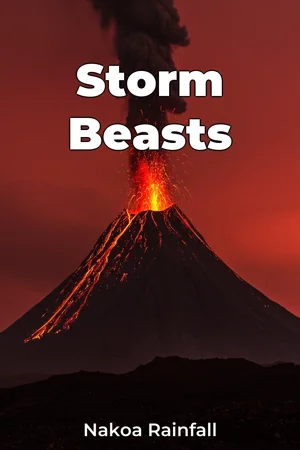
"Storm Beasts" explores the captivating origins of storm myths, delving into the geological and meteorological events that inspired tales of dragons and weather gods across ancient civilizations. The book uniquely combines mythology with earth sciences and historical climatology, revealing how extreme weather and natural disasters shaped cultural narratives. For instance, volcanic eruptions may have fueled dragon myths, while severe storms led to the creation of powerful weather deities. The book progresses through chapters examining the geological genesis of myths, meteorological manifestations in folklore, and the cultural impact of these beliefs. It argues that these myths aren't merely fanciful stories but culturally encoded records of humanity's attempts to understand and cope with the forces of nature. By analyzing ancient texts, geological surveys, and climatological data, "Storm Beasts" uncovers the factual basis behind these legendary creatures, offering insights into our ancestors' relationship with the environment. Ultimately, the book emphasizes the enduring relevance of these storm myths, suggesting they hold valuable lessons about environmental resilience and our perception of risk. This interdisciplinary approach, blending scientific analysis with mythological interpretation, makes "Storm Beasts" a valuable resource for those interested in history, earth sciences, and the intersection of culture and environment.
Book Details
ISBN
9788235205711
Publisher
Publifye AS
Your Licenses
You don't own any licenses for this book
Purchase a license below to unlock this book and download the EPUB.
Purchase License
Select a tier to unlock this book
Need bulk licensing?
Contact us for enterprise agreements.