
About This Book
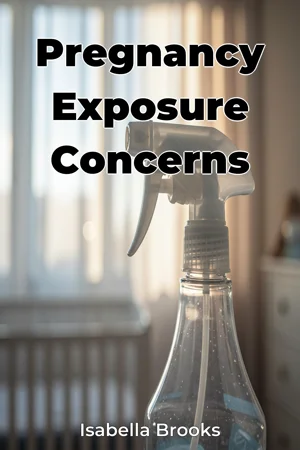
Are the seemingly innocuous household cleaners we use daily potentially jeopardizing the healthy development of our children, even before they're born? "Pregnancy Exposure Concerns" delves into the emerging evidence linking prenatal exposure to chemicals found in common cleaning products with adverse developmental outcomes. This book addresses a critical yet often overlooked aspect of prenatal health, providing expectant parents and healthcare professionals with essential information to make informed decisions about their environments. The core of this investigation centers on three significant areas: the prevalence of chemical exposure during pregnancy, the specific chemicals of concern found in cleaning products, and the observed developmental effects in children exposed prenatally. Understanding the ubiquity of these exposures is paramount, given the common use of cleaning agents in homes and workplaces. Identifying specific chemicals like phthalates, volatile organic compounds (VOCs), and quaternary ammonium compounds (quats) is crucial, as prenatal studies increasingly link them with developmental problems. Dissecting the nature and scope of these developmental effects, ranging from neurodevelopmental delays to respiratory issues, forms the book’s foundation. The book provides context by examining the historical increase in synthetic chemical use and its correlation with rising rates of certain developmental disorders. It clarifies the complex interplay between genetic predispositions and environmental factors, emphasizing that while genetics play a role, environmental exposures can significantly influence developmental trajectories. No prior scientific knowledge is needed to understand the discussed topics. The central argument of "Pregnancy Exposure Concerns" posits that prenatal exposure to chemicals in common cleaning products presents a significant and modifiable risk factor for adverse developmental outcomes. This argument is of paramount importance because it challenges conventional assumptions about the safety of everyday products and advocates for proactive measures to mitigate potential harm. By understanding and reducing these exposures, we can significantly improve children's health and well-being. The book unfolds systematically. It begins by introducing the concept of environmental toxicology and its unique relevance to prenatal development. The subsequent sections explore the specific chemicals found in cleaning products, detailing their sources, uses, and known toxicological properties. It then presents an analysis of epidemiological studies and animal models, illustrating the link between prenatal exposure and developmental outcomes. Finally, the book culminates in a discussion of practical strategies for reducing exposure, advocating for policy changes, and promoting safer alternatives. The book relies heavily on peer-reviewed scientific literature, including epidemiological studies, toxicological reports, and risk assessments conducted by governmental and research organizations. It also incorporates data from large-scale cohort studies tracking prenatal exposures and child development over time. A unique aspect is the synthesis of findings across various disciplines, connecting laboratory research with real-world observations. "Pregnancy Exposure Concerns" draws connections to several related fields, including toxicology, epidemiology, and public health. The toxicological perspective provides a mechanistic understanding of how chemicals disrupt biological processes, the epidemiological data reveals patterns of exposure and disease in populations, and the public health framework informs strategies for prevention and intervention. These interdisciplinary connections strengthen the book's argument by providing a holistic view of the issue. The book adopts a fact-based, accessible style, free of jargon unless carefully defined. It prioritizes clear communication and avoids sensationalism, aiming to empower readers with knowledge rather than instill fear. The primary audience includes expectant parents striving to create the healthiest possible environment for their children, new parents looking to reduce sources of chemical exposure, healthcare professionals seeking evidence-based guidance on prenatal counseling, and policymakers working to regulate chemical safety. This book offers them valuable insights into the potential risks associated with common household products and practical strategies to mitigate those risks, enabling them to make informed decisions. As a book in the parenting and health & fitness genres, "Pregnancy Exposure Concerns" meets the expectation for providing practical, actionable advice grounded in scientific evidence. It addresses a growing concern among parents about environmental influences on child development. The scope of the book is limited to the effects of chemical exposure from cleaning products during pregnancy, with a focus on developmental outcomes in children. It does not delve into other potential sources of prenatal chemical exposure, such as diet or air pollution, which acknowledges the need for a manageable focus. The information in "Pregnancy Exposure Concerns" can be directly applied by readers in several ways. It provides practical guidance on selecting safer cleaning products, improving ventilation in the home, and advocating for policy changes that promote chemical safety. Readers can use this information to make informed choices about their purchasing habits, home environments, and engagement in public health initiatives. While the evidence linking prenatal exposure to chemicals in cleaning products with adverse developmental outcomes is growing, some scientists may still debate the strength of the evidence or the specific mechanisms involved. "Pregnancy Exposure Concerns" acknowledges these ongoing conversations and presents a balanced perspective, highlighting both the potential risks and the areas where further research is needed.
Are the seemingly innocuous household cleaners we use daily potentially jeopardizing the healthy development of our children, even before they're born? "Pregnancy Exposure Concerns" delves into the emerging evidence linking prenatal exposure to chemicals found in common cleaning products with adverse developmental outcomes. This book addresses a critical yet often overlooked aspect of prenatal health, providing expectant parents and healthcare professionals with essential information to make informed decisions about their environments. The core of this investigation centers on three significant areas: the prevalence of chemical exposure during pregnancy, the specific chemicals of concern found in cleaning products, and the observed developmental effects in children exposed prenatally. Understanding the ubiquity of these exposures is paramount, given the common use of cleaning agents in homes and workplaces. Identifying specific chemicals like phthalates, volatile organic compounds (VOCs), and quaternary ammonium compounds (quats) is crucial, as prenatal studies increasingly link them with developmental problems. Dissecting the nature and scope of these developmental effects, ranging from neurodevelopmental delays to respiratory issues, forms the book’s foundation. The book provides context by examining the historical increase in synthetic chemical use and its correlation with rising rates of certain developmental disorders. It clarifies the complex interplay between genetic predispositions and environmental factors, emphasizing that while genetics play a role, environmental exposures can significantly influence developmental trajectories. No prior scientific knowledge is needed to understand the discussed topics. The central argument of "Pregnancy Exposure Concerns" posits that prenatal exposure to chemicals in common cleaning products presents a significant and modifiable risk factor for adverse developmental outcomes. This argument is of paramount importance because it challenges conventional assumptions about the safety of everyday products and advocates for proactive measures to mitigate potential harm. By understanding and reducing these exposures, we can significantly improve children's health and well-being. The book unfolds systematically. It begins by introducing the concept of environmental toxicology and its unique relevance to prenatal development. The subsequent sections explore the specific chemicals found in cleaning products, detailing their sources, uses, and known toxicological properties. It then presents an analysis of epidemiological studies and animal models, illustrating the link between prenatal exposure and developmental outcomes. Finally, the book culminates in a discussion of practical strategies for reducing exposure, advocating for policy changes, and promoting safer alternatives. The book relies heavily on peer-reviewed scientific literature, including epidemiological studies, toxicological reports, and risk assessments conducted by governmental and research organizations. It also incorporates data from large-scale cohort studies tracking prenatal exposures and child development over time. A unique aspect is the synthesis of findings across various disciplines, connecting laboratory research with real-world observations. "Pregnancy Exposure Concerns" draws connections to several related fields, including toxicology, epidemiology, and public health. The toxicological perspective provides a mechanistic understanding of how chemicals disrupt biological processes, the epidemiological data reveals patterns of exposure and disease in populations, and the public health framework informs strategies for prevention and intervention. These interdisciplinary connections strengthen the book's argument by providing a holistic view of the issue. The book adopts a fact-based, accessible style, free of jargon unless carefully defined. It prioritizes clear communication and avoids sensationalism, aiming to empower readers with knowledge rather than instill fear. The primary audience includes expectant parents striving to create the healthiest possible environment for their children, new parents looking to reduce sources of chemical exposure, healthcare professionals seeking evidence-based guidance on prenatal counseling, and policymakers working to regulate chemical safety. This book offers them valuable insights into the potential risks associated with common household products and practical strategies to mitigate those risks, enabling them to make informed decisions. As a book in the parenting and health & fitness genres, "Pregnancy Exposure Concerns" meets the expectation for providing practical, actionable advice grounded in scientific evidence. It addresses a growing concern among parents about environmental influences on child development. The scope of the book is limited to the effects of chemical exposure from cleaning products during pregnancy, with a focus on developmental outcomes in children. It does not delve into other potential sources of prenatal chemical exposure, such as diet or air pollution, which acknowledges the need for a manageable focus. The information in "Pregnancy Exposure Concerns" can be directly applied by readers in several ways. It provides practical guidance on selecting safer cleaning products, improving ventilation in the home, and advocating for policy changes that promote chemical safety. Readers can use this information to make informed choices about their purchasing habits, home environments, and engagement in public health initiatives. While the evidence linking prenatal exposure to chemicals in cleaning products with adverse developmental outcomes is growing, some scientists may still debate the strength of the evidence or the specific mechanisms involved. "Pregnancy Exposure Concerns" acknowledges these ongoing conversations and presents a balanced perspective, highlighting both the potential risks and the areas where further research is needed.
"Pregnancy Exposure Concerns" explores the potential risks of prenatal exposure to chemicals found in everyday cleaning products. It highlights how these exposures may correlate with adverse developmental outcomes in children, addressing a critical aspect of prenatal health often overlooked. The book examines the prevalence of chemical exposure during pregnancy and identifies specific chemicals of concern, such as phthalates and volatile organic compounds, while analyzing their potential developmental effects, ranging from neurodevelopmental delays to respiratory issues. The book systematically progresses by introducing environmental toxicology and its relevance to prenatal development. It delves into specific chemicals, detailing their sources and toxicological properties, and analyzes epidemiological studies linking prenatal exposure to developmental outcomes. A key insight is the influence of environmental factors on developmental trajectories, suggesting that reducing chemical exposure could significantly improve children's health. The book concludes with practical strategies for reducing exposure and promoting safer alternatives, empowering expectant parents and healthcare professionals to make informed decisions.
Book Details
ISBN
9788235205643
Publisher
Publifye AS
Your Licenses
You don't own any licenses for this book
Purchase a license below to unlock this book and download the EPUB.
Purchase License
Select a tier to unlock this book
Need bulk licensing?
Contact us for enterprise agreements.