
About This Book
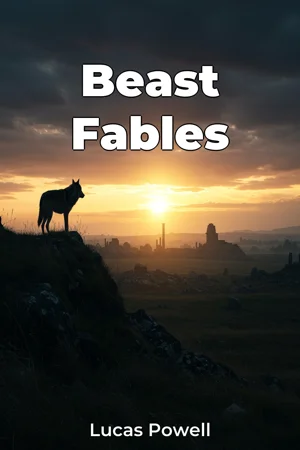
Why do we tell stories of foxes outsmarting wolves, or of ants laboring while grasshoppers play? *Beast Fables* explores the profound and enduring influence of animal fables and allegories on literature, ethics, and storytelling traditions across the globe. This book delves into how these seemingly simple narratives have shaped moral codes, conveyed complex socio-political messages, and provided a framework for understanding the human condition for millennia. We will examine the historical development of beast fables, tracing their origins from ancient civilizations to contemporary adaptations. The significance lies in understanding how these fables act as cultural mirrors, reflecting and reinforcing societal values, while simultaneously offering subtle critiques of power structures and human failings. We will investigate the ethical dimensions embedded within these narratives, revealing how they promote virtues like prudence, diligence, and humility, while cautioning against vices such as greed, arrogance, and laziness. Understanding the context requires a familiarity with the historical periods in which these fables emerged and flourished, as well as an awareness of the cultural norms and belief systems that informed their creation. No specialized knowledge is needed beyond an interest in literature, history, and the enduring power of storytelling. The central argument of *Beast Fables* is that these narratives, far from being mere children's stories, represent a sophisticated and adaptable form of communication that has played a crucial role in shaping human behavior and understanding across cultures and time. Their continued relevance lies in their ability to distill complex moral and social issues into accessible and memorable forms. The book unfolds in three major parts. First, we will examine the origins and evolution of beast fables in ancient Greece, Rome, and the Near East, focusing on Aesop and his contemporaries. This section will introduce key archetypes and narrative structures. Second, we will explore the spread and adaptation of these fables across different cultures, including Europe during the Middle Ages and Renaissance, as well as non-Western traditions in Africa, Asia, and the Americas. We will analyze how cultural contexts shaped the interpretation and application of these fables. Finally, we will analyze the enduring legacy of beast fables in modern literature, film, and popular culture, discussing their continued relevance in addressing contemporary social and ethical issues. The conclusion will synthesize these findings to demonstrate the lasting impact of beast fables on shaping ethical frameworks and cultural narratives. The arguments presented here will be supported by a wide range of evidence, including textual analysis of primary sources (fables themselves), historical documents, artwork, and critical essays. Comparative analysis across different cultural traditions will further strengthen our understanding of the adaptability and cross-cultural resonance of these narratives. We will engage with critical interpretations from literary scholars, historians, and cultural anthropologists. This book intersects with several disciplines, including literature, history, and ethics. Furthermore, sociology is relevant for understanding the social functions of these fables, while political science is useful for analyzing their use as vehicles for social commentary. These interdisciplinary connections enrich our understanding of the multifaceted role of beast fables in human societies. *Beast Fables* provides a comprehensive overview of animal fables and allegories, examining their influence from antiquity to the present day. While the book covers a wide range of cultural traditions, it focuses primarily on the most influential and well-documented examples. This approach allows for an in-depth analysis of key themes and patterns. The insights gained from this book can be applied to various real-world contexts, including education, leadership development, and ethical decision-making. By understanding the underlying principles and values promoted in these fables, readers can gain a deeper appreciation for the importance of ethical behavior and social responsibility. *Beast Fables* is written in an accessible yet scholarly style, suitable for students, academics, and anyone interested in literature, history, and the power of storytelling. The book aims to provide a balanced and nuanced analysis of a complex and multifaceted topic, appealing to readers who appreciate well-researched and thought-provoking scholarship. This work aims to address common reader interests that are drawn to Literary Collections Essays and general Essays.
Why do we tell stories of foxes outsmarting wolves, or of ants laboring while grasshoppers play? *Beast Fables* explores the profound and enduring influence of animal fables and allegories on literature, ethics, and storytelling traditions across the globe. This book delves into how these seemingly simple narratives have shaped moral codes, conveyed complex socio-political messages, and provided a framework for understanding the human condition for millennia. We will examine the historical development of beast fables, tracing their origins from ancient civilizations to contemporary adaptations. The significance lies in understanding how these fables act as cultural mirrors, reflecting and reinforcing societal values, while simultaneously offering subtle critiques of power structures and human failings. We will investigate the ethical dimensions embedded within these narratives, revealing how they promote virtues like prudence, diligence, and humility, while cautioning against vices such as greed, arrogance, and laziness. Understanding the context requires a familiarity with the historical periods in which these fables emerged and flourished, as well as an awareness of the cultural norms and belief systems that informed their creation. No specialized knowledge is needed beyond an interest in literature, history, and the enduring power of storytelling. The central argument of *Beast Fables* is that these narratives, far from being mere children's stories, represent a sophisticated and adaptable form of communication that has played a crucial role in shaping human behavior and understanding across cultures and time. Their continued relevance lies in their ability to distill complex moral and social issues into accessible and memorable forms. The book unfolds in three major parts. First, we will examine the origins and evolution of beast fables in ancient Greece, Rome, and the Near East, focusing on Aesop and his contemporaries. This section will introduce key archetypes and narrative structures. Second, we will explore the spread and adaptation of these fables across different cultures, including Europe during the Middle Ages and Renaissance, as well as non-Western traditions in Africa, Asia, and the Americas. We will analyze how cultural contexts shaped the interpretation and application of these fables. Finally, we will analyze the enduring legacy of beast fables in modern literature, film, and popular culture, discussing their continued relevance in addressing contemporary social and ethical issues. The conclusion will synthesize these findings to demonstrate the lasting impact of beast fables on shaping ethical frameworks and cultural narratives. The arguments presented here will be supported by a wide range of evidence, including textual analysis of primary sources (fables themselves), historical documents, artwork, and critical essays. Comparative analysis across different cultural traditions will further strengthen our understanding of the adaptability and cross-cultural resonance of these narratives. We will engage with critical interpretations from literary scholars, historians, and cultural anthropologists. This book intersects with several disciplines, including literature, history, and ethics. Furthermore, sociology is relevant for understanding the social functions of these fables, while political science is useful for analyzing their use as vehicles for social commentary. These interdisciplinary connections enrich our understanding of the multifaceted role of beast fables in human societies. *Beast Fables* provides a comprehensive overview of animal fables and allegories, examining their influence from antiquity to the present day. While the book covers a wide range of cultural traditions, it focuses primarily on the most influential and well-documented examples. This approach allows for an in-depth analysis of key themes and patterns. The insights gained from this book can be applied to various real-world contexts, including education, leadership development, and ethical decision-making. By understanding the underlying principles and values promoted in these fables, readers can gain a deeper appreciation for the importance of ethical behavior and social responsibility. *Beast Fables* is written in an accessible yet scholarly style, suitable for students, academics, and anyone interested in literature, history, and the power of storytelling. The book aims to provide a balanced and nuanced analysis of a complex and multifaceted topic, appealing to readers who appreciate well-researched and thought-provoking scholarship. This work aims to address common reader interests that are drawn to Literary Collections Essays and general Essays.
*Beast Fables* explores the pervasive role of animal fables and allegories in shaping global literature, ethics, and storytelling traditions. These seemingly simple narratives, featuring foxes outsmarting wolves or ants laboring, have served as cultural mirrors reflecting societal values while offering subtle critiques. Delving into the ethical dimensions, the book reveals how these fables promote virtues like diligence and caution against vices like greed, influencing moral codes across millennia. The book journeys through history, beginning with ancient Greece, Rome, and the Near East, highlighting Aesop's contributions and key archetypes. It then explores the spread and adaptation of these fables across cultures, examining medieval Europe and non-Western traditions. Finally, the lasting legacy of animal fables in modern literature and film is analyzed, demonstrating their continued relevance in addressing contemporary social and ethical issues.
Book Details
ISBN
9788235205582
Publisher
Publifye AS
Your Licenses
You don't own any licenses for this book
Purchase a license below to unlock this book and download the EPUB.
Purchase License
Select a tier to unlock this book
Need bulk licensing?
Contact us for enterprise agreements.