
About This Book
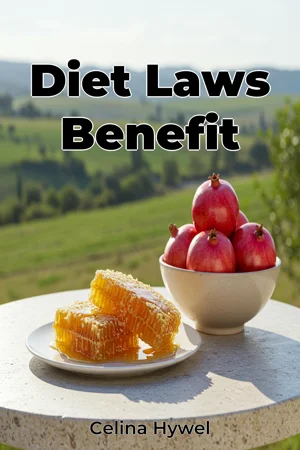
Could ancient dietary laws offer surprising insights into modern health and well-being? "Diet Laws Benefit" explores the intersection of biblical scripture, specifically the health rules outlined in Leviticus, and contemporary nutritional science, revealing how these ancient guidelines may have unforeseen relevance to today's health challenges. This book examines the potential benefits of adhering to these dietary laws, not from a religious standpoint, but through a scientific lens, analyzing their potential impact on physical health. The book focuses on several key topics: the specific dietary guidelines found in Leviticus, the scientific basis behind these rules in terms of food safety and nutritional value, and the potential health benefits that could arise from following them. It's important to understand the historical context in which these laws were created. They were established in a time without refrigeration or modern sanitation, meaning foodborne illnesses were a constant threat. These laws provided a framework for minimizing risks. The central argument of "Diet Laws Benefit" is that many of the dietary laws in Leviticus, though ancient, align surprisingly well with current nutritional recommendations and food safety practices. This convergence suggests that these laws may have provided a tangible health advantage to those who followed them. The book is structured to first introduce the relevant passages from Leviticus detailing the dietary laws, categorizing them into distinct areas such as permitted and forbidden animals, methods of slaughter, and rules about consuming blood. It then delves into the scientific rationale behind these laws, examining the potential reasons why certain foods were prohibited. For instance, the prohibition against eating certain animals might be linked to their higher propensity to carry parasites or diseases. Furthermore, the book explores the nutritional content of permitted and forbidden foods, comparing their profiles in terms of macronutrients, vitamins, and minerals. The final section examines the potential practical implications of these findings for contemporary diets, providing informed ways to incorporate these researched elements. The evidence presented in "Diet Laws Benefit" draws from a combination of biblical texts, historical records, and contemporary scientific research. Nutritional studies, epidemiological data, and analyses of foodborne illnesses are used to support the book's claims. It also looks at archaeological findings that shed light on the diets and health of ancient populations. "Diet Laws Benefit" connects to several other fields, including history, religious studies, and public health. Its exploration of ancient practices provides insight into the historical development of dietary customs, while its scientific analysis offers a fresh perspective on religious texts. Furthermore, the book's focus on health outcomes has implications for public health initiatives aimed at promoting healthier eating habits. This book offers a unique perspective by approaching biblical texts through a scientific lens, rather than a purely religious one. It aims to provide an objective assessment of the potential health benefits of these ancient dietary laws, separate from any theological considerations. The book adopts a fact-based, analytical tone, presenting information in a clear and accessible manner. It is intended for a broad audience, including those interested in biblical studies, nutrition, health and fitness, and anyone curious about the intersection of ancient wisdom and modern science. The scope of "Diet Laws Benefit" is limited to the dietary laws found in Leviticus and their potential impact on physical health. It does not delve into other aspects of biblical law or theological interpretations. The book's information can be applied in real-world settings by informing choices about food selection. By understanding the potential health implications of different foods, readers can make more informed decisions about their own diets. While the book does not advocate for strict adherence to all Levitical dietary laws, it encourages readers to consider the potential wisdom embedded in these ancient practices.
Could ancient dietary laws offer surprising insights into modern health and well-being? "Diet Laws Benefit" explores the intersection of biblical scripture, specifically the health rules outlined in Leviticus, and contemporary nutritional science, revealing how these ancient guidelines may have unforeseen relevance to today's health challenges. This book examines the potential benefits of adhering to these dietary laws, not from a religious standpoint, but through a scientific lens, analyzing their potential impact on physical health. The book focuses on several key topics: the specific dietary guidelines found in Leviticus, the scientific basis behind these rules in terms of food safety and nutritional value, and the potential health benefits that could arise from following them. It's important to understand the historical context in which these laws were created. They were established in a time without refrigeration or modern sanitation, meaning foodborne illnesses were a constant threat. These laws provided a framework for minimizing risks. The central argument of "Diet Laws Benefit" is that many of the dietary laws in Leviticus, though ancient, align surprisingly well with current nutritional recommendations and food safety practices. This convergence suggests that these laws may have provided a tangible health advantage to those who followed them. The book is structured to first introduce the relevant passages from Leviticus detailing the dietary laws, categorizing them into distinct areas such as permitted and forbidden animals, methods of slaughter, and rules about consuming blood. It then delves into the scientific rationale behind these laws, examining the potential reasons why certain foods were prohibited. For instance, the prohibition against eating certain animals might be linked to their higher propensity to carry parasites or diseases. Furthermore, the book explores the nutritional content of permitted and forbidden foods, comparing their profiles in terms of macronutrients, vitamins, and minerals. The final section examines the potential practical implications of these findings for contemporary diets, providing informed ways to incorporate these researched elements. The evidence presented in "Diet Laws Benefit" draws from a combination of biblical texts, historical records, and contemporary scientific research. Nutritional studies, epidemiological data, and analyses of foodborne illnesses are used to support the book's claims. It also looks at archaeological findings that shed light on the diets and health of ancient populations. "Diet Laws Benefit" connects to several other fields, including history, religious studies, and public health. Its exploration of ancient practices provides insight into the historical development of dietary customs, while its scientific analysis offers a fresh perspective on religious texts. Furthermore, the book's focus on health outcomes has implications for public health initiatives aimed at promoting healthier eating habits. This book offers a unique perspective by approaching biblical texts through a scientific lens, rather than a purely religious one. It aims to provide an objective assessment of the potential health benefits of these ancient dietary laws, separate from any theological considerations. The book adopts a fact-based, analytical tone, presenting information in a clear and accessible manner. It is intended for a broad audience, including those interested in biblical studies, nutrition, health and fitness, and anyone curious about the intersection of ancient wisdom and modern science. The scope of "Diet Laws Benefit" is limited to the dietary laws found in Leviticus and their potential impact on physical health. It does not delve into other aspects of biblical law or theological interpretations. The book's information can be applied in real-world settings by informing choices about food selection. By understanding the potential health implications of different foods, readers can make more informed decisions about their own diets. While the book does not advocate for strict adherence to all Levitical dietary laws, it encourages readers to consider the potential wisdom embedded in these ancient practices.
"Diet Laws Benefit" explores the surprising connections between ancient biblical dietary laws, particularly those in Leviticus, and modern nutritional science. The book examines these ancient guidelines through a scientific lens, focusing on their potential impact on physical health and food safety. Interestingly, these laws, established in a time before refrigeration, may have provided a framework for minimizing the risks of foodborne illnesses. The book progresses by first introducing the dietary laws from Leviticus, categorizing them by food types and preparation methods. It then delves into the scientific reasons behind these rules, such as why certain animals were prohibited, potentially due to a higher risk of carrying parasites. The book objectively presents evidence from biblical texts, historical records, and contemporary scientific research, offering a unique perspective on the intersection of ancient wisdom and modern health. By analyzing the nutritional content of permitted and forbidden foods, "Diet Laws Benefit" seeks to uncover the potential health benefits of these ancient practices. This approach allows readers to make informed choices about their diets, considering the wisdom embedded in these dietary laws, separate from theological considerations. The book aims to inform those interested in biblical studies, health, and nutrition about the potential relevance of these practices to contemporary health challenges.
Book Details
ISBN
9788235205407
Publisher
Publifye AS
Your Licenses
You don't own any licenses for this book
Purchase a license below to unlock this book and download the EPUB.
Purchase License
Select a tier to unlock this book
Need bulk licensing?
Contact us for enterprise agreements.