
About This Book
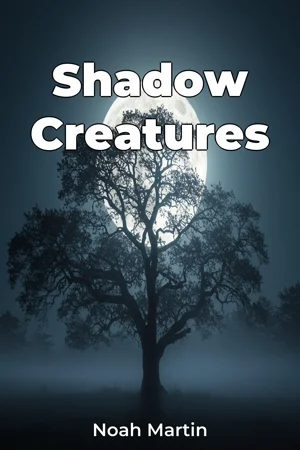
What lurks in the places untouched by light? "Shadow Creatures" delves into the historical and spiritual significance of darkness and shadow figures, exploring their pervasive influence on horror folklore, supernatural myths, and literary expressions of fear across cultures and eras. This book examines how the human psyche has projected its deepest anxieties and existential uncertainties onto the canvas of the night. "Shadow Creatures" primarily focuses on three core areas. First, it analyzes the archetypal roles assigned to shadow entities in shaping cultural narratives of the unknown. Second, it investigates the psychological underpinnings of our fear of darkness, linking it to primal instincts and the cognitive processing of uncertainty. Third, it traces the evolution of shadow figures in literature and art, demonstrating how these representations mirror societal anxieties and evolving concepts of the self. Understanding the power of shadow imagery requires acknowledging its roots in ancient mythologies and spiritual traditions. Many early cultures associated darkness not only with danger but also with the potential for transformation and the dwelling place of spirits. The book provides historical context by examining creation myths, shamanic practices, and ancestor worship across various cultures and continents. Basic familiarity with world mythology and Jungian psychology will enhance the reader's understanding of the concepts presented. The central argument of "Shadow Creatures" posits that the persistent presence of shadow figures in folklore and storytelling reflects humanity's ongoing struggle to confront and integrate its own unconscious fears and repressed desires. By unpacking the symbolism and cultural context of these figures, the book offers insights into the collective human experience and the enduring power of the imagination. The book begins by introducing the foundational concepts of shadow archetypes and their prevalence in diverse cultural contexts. The first several chapters establish a framework for understanding how shadow figures, such as demons, ghosts, and monstrous entities, function as symbolic representations of inner turmoil and external threats. Following this introduction, the subsequent sections delve into specific case studies, each dedicated to exploring a particular type of shadow creature and its historical and psychological significance. One section analyzes vampire myths, tracing their origins and exploring how they reflect anxieties about mortality, sexuality, and contagion. Another section examines the phenomenon of shadow people, considering both paranormal interpretations and psychological explanations. The culmination of the book synthesizes these findings, offering a broader perspective on the role of shadow figures in shaping human culture and individual identity. The conclusion explores the potential for applying this knowledge to contemporary art, literature, and psychological practices. The arguments presented are supported by a wide array of evidence, including historical accounts, anthropological studies, literary analysis, and psychological research. The book draws upon primary source materials such as folklore collections, religious texts, and eyewitness accounts, as well as secondary sources from scholars in relevant fields. "Shadow Creatures" connects to several adjacent fields, including psychology (particularly Jungian analysis and the study of archetypes), anthropology (specifically, the study of mythology and folklore), and literary studies (focusing on Gothic and horror genres). These interdisciplinary connections enrich the exploration of shadow figures, highlighting their multifaceted nature and revealing their significance across various domains of human inquiry. A unique aspect of this book lies in its synthesis of historical, psychological, and cultural perspectives. It moves past simple descriptions of frightening figures to explore what these figures reveal about the human condition. It also offers a fresh perspective on the historical context of spirituality, and how it is intertwined with the evolution of mythology. The book adopts a scholarly yet accessible writing style, aiming to engage a broad audience without sacrificing academic rigor. The tone is measured and analytical, presenting information in a clear and objective manner. "Shadow Creatures" is aimed at readers interested in folklore, mythology, psychology, horror literature, and cultural history. It would also appeal to artists, writers, and therapists seeking a deeper understanding of the symbolic language of the unconscious. As a work of non-fiction within the genres of spirituality and history, "Shadow Creatures" adheres to principles of accuracy, objectivity, and source citation. It aims to provide a balanced and well-researched account of the subject matter, acknowledging diverse perspectives and avoiding unsubstantiated claims. The scope of the book is limited to those shadow figures that have had a lasting impact on Western popular culture and mythology, with some comparisons made to other mythologies to highlight common themes. While the book acknowledges the diversity of beliefs about shadow figures, it does not attempt to provide an exhaustive catalog of every shadow creature in every culture. The information in "Shadow Creatures" can be applied practically by readers in several ways. Artists and writers can draw inspiration from the book's analysis of shadow archetypes to create more compelling and psychologically resonant work. Therapists can use the insights into the symbolism of darkness to help clients explore their own fears and repressed emotions. Anyone interested in self-discovery can use the book to better understand their own shadow self and integrate it into their conscious awareness. The book addresses ongoing debates within the paranormal community, particularly surrounding the nature of shadow people and other unexplained phenomena. It acknowledges the existence of differing viewpoints and presents evidence from both skeptical and believer perspectives, encouraging readers to draw their own conclusions based on the available evidence.
What lurks in the places untouched by light? "Shadow Creatures" delves into the historical and spiritual significance of darkness and shadow figures, exploring their pervasive influence on horror folklore, supernatural myths, and literary expressions of fear across cultures and eras. This book examines how the human psyche has projected its deepest anxieties and existential uncertainties onto the canvas of the night. "Shadow Creatures" primarily focuses on three core areas. First, it analyzes the archetypal roles assigned to shadow entities in shaping cultural narratives of the unknown. Second, it investigates the psychological underpinnings of our fear of darkness, linking it to primal instincts and the cognitive processing of uncertainty. Third, it traces the evolution of shadow figures in literature and art, demonstrating how these representations mirror societal anxieties and evolving concepts of the self. Understanding the power of shadow imagery requires acknowledging its roots in ancient mythologies and spiritual traditions. Many early cultures associated darkness not only with danger but also with the potential for transformation and the dwelling place of spirits. The book provides historical context by examining creation myths, shamanic practices, and ancestor worship across various cultures and continents. Basic familiarity with world mythology and Jungian psychology will enhance the reader's understanding of the concepts presented. The central argument of "Shadow Creatures" posits that the persistent presence of shadow figures in folklore and storytelling reflects humanity's ongoing struggle to confront and integrate its own unconscious fears and repressed desires. By unpacking the symbolism and cultural context of these figures, the book offers insights into the collective human experience and the enduring power of the imagination. The book begins by introducing the foundational concepts of shadow archetypes and their prevalence in diverse cultural contexts. The first several chapters establish a framework for understanding how shadow figures, such as demons, ghosts, and monstrous entities, function as symbolic representations of inner turmoil and external threats. Following this introduction, the subsequent sections delve into specific case studies, each dedicated to exploring a particular type of shadow creature and its historical and psychological significance. One section analyzes vampire myths, tracing their origins and exploring how they reflect anxieties about mortality, sexuality, and contagion. Another section examines the phenomenon of shadow people, considering both paranormal interpretations and psychological explanations. The culmination of the book synthesizes these findings, offering a broader perspective on the role of shadow figures in shaping human culture and individual identity. The conclusion explores the potential for applying this knowledge to contemporary art, literature, and psychological practices. The arguments presented are supported by a wide array of evidence, including historical accounts, anthropological studies, literary analysis, and psychological research. The book draws upon primary source materials such as folklore collections, religious texts, and eyewitness accounts, as well as secondary sources from scholars in relevant fields. "Shadow Creatures" connects to several adjacent fields, including psychology (particularly Jungian analysis and the study of archetypes), anthropology (specifically, the study of mythology and folklore), and literary studies (focusing on Gothic and horror genres). These interdisciplinary connections enrich the exploration of shadow figures, highlighting their multifaceted nature and revealing their significance across various domains of human inquiry. A unique aspect of this book lies in its synthesis of historical, psychological, and cultural perspectives. It moves past simple descriptions of frightening figures to explore what these figures reveal about the human condition. It also offers a fresh perspective on the historical context of spirituality, and how it is intertwined with the evolution of mythology. The book adopts a scholarly yet accessible writing style, aiming to engage a broad audience without sacrificing academic rigor. The tone is measured and analytical, presenting information in a clear and objective manner. "Shadow Creatures" is aimed at readers interested in folklore, mythology, psychology, horror literature, and cultural history. It would also appeal to artists, writers, and therapists seeking a deeper understanding of the symbolic language of the unconscious. As a work of non-fiction within the genres of spirituality and history, "Shadow Creatures" adheres to principles of accuracy, objectivity, and source citation. It aims to provide a balanced and well-researched account of the subject matter, acknowledging diverse perspectives and avoiding unsubstantiated claims. The scope of the book is limited to those shadow figures that have had a lasting impact on Western popular culture and mythology, with some comparisons made to other mythologies to highlight common themes. While the book acknowledges the diversity of beliefs about shadow figures, it does not attempt to provide an exhaustive catalog of every shadow creature in every culture. The information in "Shadow Creatures" can be applied practically by readers in several ways. Artists and writers can draw inspiration from the book's analysis of shadow archetypes to create more compelling and psychologically resonant work. Therapists can use the insights into the symbolism of darkness to help clients explore their own fears and repressed emotions. Anyone interested in self-discovery can use the book to better understand their own shadow self and integrate it into their conscious awareness. The book addresses ongoing debates within the paranormal community, particularly surrounding the nature of shadow people and other unexplained phenomena. It acknowledges the existence of differing viewpoints and presents evidence from both skeptical and believer perspectives, encouraging readers to draw their own conclusions based on the available evidence.
"Shadow Creatures" explores the intriguing world of shadow figures, delving into their historical and spiritual significance across cultures. It examines how these figures, from demons to vampires, reflect humanity's deepest anxieties and fears, offering insights into the collective human experience. The book uniquely synthesizes historical, psychological (drawing on Jungian archetypes), and cultural perspectives to reveal the enduring power of shadow imagery in folklore and storytelling. The book progresses by first establishing a framework for understanding shadow archetypes and their symbolic representations of inner turmoil. Subsequent chapters present specific case studies, such as vampire myths and shadow people phenomena, exploring their historical and psychological significance. By understanding these primal fears and projections, readers can gain a fresh perspective on the historical context of spirituality and its intertwining with the evolution of mythology.
Book Details
ISBN
9788235205346
Publisher
Publifye AS
Your Licenses
You don't own any licenses for this book
Purchase a license below to unlock this book and download the EPUB.
Purchase License
Select a tier to unlock this book
Need bulk licensing?
Contact us for enterprise agreements.