
About This Book
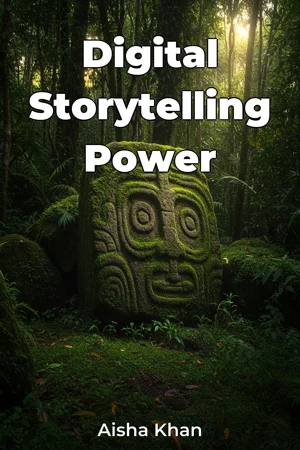
In an era defined by digital connectivity, how are indigenous communities worldwide leveraging new media to reclaim their narratives and reshape historical understanding? "Digital Storytelling Power" explores the intersection of indigenous knowledge and digital technology, revealing how these communities are using digital tools to preserve, share, and reimagine their histories. This book examines the profound impact of digital storytelling on cultural preservation, historical interpretation, and community empowerment. The book delves into three core areas. First, it investigates how indigenous communities are utilizing digital archives, interactive maps, and virtual reality to safeguard and transmit cultural heritage. Second, it analyzes the use of social media, digital film, and online platforms to challenge dominant historical narratives and amplify indigenous voices. Third, it examines the ways in which digital storytelling fosters intergenerational knowledge transfer and strengthens community bonds. These topics are crucial because they address the urgent need to decolonize historical records, promote cultural understanding, and empower marginalized communities in the digital age. Understanding the historical context is essential. For centuries, indigenous histories have been suppressed, distorted, or ignored by colonial powers and mainstream historical accounts. The advent of digital media offers an unprecedented opportunity for indigenous communities to rewrite these narratives from their own perspectives, asserting their agency and reclaiming their cultural identities. Readers should have a basic understanding of indigenous history, cultural preservation, and digital media technologies to fully appreciate the book's content. "Digital Storytelling Power" argues that digital storytelling is not merely a technological tool but a powerful form of cultural resistance and self-determination. By controlling their narratives and disseminating them through digital channels, indigenous communities can challenge systemic inequalities, promote social justice, and foster cross-cultural understanding. This argument is vital because it reframes the discussion around indigenous history and digital media, emphasizing the transformative potential of technology when wielded by those who have been historically silenced. The book unfolds in a logical structure. It begins by introducing the concept of digital storytelling and its relevance to indigenous communities. It then develops its argument through: a) Analyzing case studies of successful digital storytelling projects from various indigenous communities around the globe. b) Examining the ethical considerations and challenges associated with digital storytelling, such as data sovereignty, cultural appropriation, and digital access. c) Exploring the role of digital storytelling in education, activism, and cultural revitalization. The book culminates by offering practical guidelines for creating effective and culturally sensitive digital storytelling projects, emphasizing the importance of community collaboration and ethical considerations. The evidence presented in "Digital Storytelling Power" draws from a variety of sources, including interviews with indigenous storytellers, analyses of digital media content, and ethnographic research conducted in indigenous communities. It also incorporates data from digital archives, online platforms, and community-based organizations. The book employs a mixed-methods approach, combining qualitative and quantitative data to provide a comprehensive understanding of the topic. The book connects to several other fields, including anthropology, media studies, and education. Anthropology provides insights into cultural preservation and indigenous knowledge systems. Media studies offers theoretical frameworks for analyzing digital media and its impact on society. Education highlights the role of digital storytelling in promoting cultural understanding and critical thinking. These interdisciplinary connections enrich the book's analysis and broaden its appeal. "Digital Storytelling Power" offers a unique perspective by focusing on the agency of indigenous communities in shaping their own digital narratives. It moves beyond a purely technological analysis to explore the cultural, social, and political dimensions of digital storytelling. This approach highlights the power of digital media to empower marginalized communities and promote social change. The book adopts a balanced and informative tone, blending academic rigor with accessible language. It is designed to be engaging and thought-provoking, encouraging readers to critically examine their own assumptions about history, culture, and technology. The target audience includes students, scholars, educators, policymakers, and anyone interested in indigenous studies, digital media, or social justice. This book provides valuable insights into the power of digital storytelling to transform historical narratives and empower marginalized communities. As a work of non-fiction in the fields of technology and history, the book strives for accuracy and objectivity, while also acknowledging the subjective nature of historical interpretation. It adheres to the conventions of academic research, including proper citation and a comprehensive bibliography. The scope of the book is global, encompassing examples of digital storytelling projects from indigenous communities across the world. However, it acknowledges the limitations of representing the diversity of indigenous experiences and perspectives within a single volume. The information in this book can be applied practically by educators seeking to incorporate indigenous perspectives into their curriculum, activists working to promote social justice, and policymakers developing strategies for cultural preservation and digital inclusion. While celebrating the potential of digital storytelling, the book also addresses the ongoing debates surrounding digital sovereignty, cultural appropriation, and the digital divide. It acknowledges the challenges and complexities of using technology to promote cultural preservation and social change.
In an era defined by digital connectivity, how are indigenous communities worldwide leveraging new media to reclaim their narratives and reshape historical understanding? "Digital Storytelling Power" explores the intersection of indigenous knowledge and digital technology, revealing how these communities are using digital tools to preserve, share, and reimagine their histories. This book examines the profound impact of digital storytelling on cultural preservation, historical interpretation, and community empowerment. The book delves into three core areas. First, it investigates how indigenous communities are utilizing digital archives, interactive maps, and virtual reality to safeguard and transmit cultural heritage. Second, it analyzes the use of social media, digital film, and online platforms to challenge dominant historical narratives and amplify indigenous voices. Third, it examines the ways in which digital storytelling fosters intergenerational knowledge transfer and strengthens community bonds. These topics are crucial because they address the urgent need to decolonize historical records, promote cultural understanding, and empower marginalized communities in the digital age. Understanding the historical context is essential. For centuries, indigenous histories have been suppressed, distorted, or ignored by colonial powers and mainstream historical accounts. The advent of digital media offers an unprecedented opportunity for indigenous communities to rewrite these narratives from their own perspectives, asserting their agency and reclaiming their cultural identities. Readers should have a basic understanding of indigenous history, cultural preservation, and digital media technologies to fully appreciate the book's content. "Digital Storytelling Power" argues that digital storytelling is not merely a technological tool but a powerful form of cultural resistance and self-determination. By controlling their narratives and disseminating them through digital channels, indigenous communities can challenge systemic inequalities, promote social justice, and foster cross-cultural understanding. This argument is vital because it reframes the discussion around indigenous history and digital media, emphasizing the transformative potential of technology when wielded by those who have been historically silenced. The book unfolds in a logical structure. It begins by introducing the concept of digital storytelling and its relevance to indigenous communities. It then develops its argument through: a) Analyzing case studies of successful digital storytelling projects from various indigenous communities around the globe. b) Examining the ethical considerations and challenges associated with digital storytelling, such as data sovereignty, cultural appropriation, and digital access. c) Exploring the role of digital storytelling in education, activism, and cultural revitalization. The book culminates by offering practical guidelines for creating effective and culturally sensitive digital storytelling projects, emphasizing the importance of community collaboration and ethical considerations. The evidence presented in "Digital Storytelling Power" draws from a variety of sources, including interviews with indigenous storytellers, analyses of digital media content, and ethnographic research conducted in indigenous communities. It also incorporates data from digital archives, online platforms, and community-based organizations. The book employs a mixed-methods approach, combining qualitative and quantitative data to provide a comprehensive understanding of the topic. The book connects to several other fields, including anthropology, media studies, and education. Anthropology provides insights into cultural preservation and indigenous knowledge systems. Media studies offers theoretical frameworks for analyzing digital media and its impact on society. Education highlights the role of digital storytelling in promoting cultural understanding and critical thinking. These interdisciplinary connections enrich the book's analysis and broaden its appeal. "Digital Storytelling Power" offers a unique perspective by focusing on the agency of indigenous communities in shaping their own digital narratives. It moves beyond a purely technological analysis to explore the cultural, social, and political dimensions of digital storytelling. This approach highlights the power of digital media to empower marginalized communities and promote social change. The book adopts a balanced and informative tone, blending academic rigor with accessible language. It is designed to be engaging and thought-provoking, encouraging readers to critically examine their own assumptions about history, culture, and technology. The target audience includes students, scholars, educators, policymakers, and anyone interested in indigenous studies, digital media, or social justice. This book provides valuable insights into the power of digital storytelling to transform historical narratives and empower marginalized communities. As a work of non-fiction in the fields of technology and history, the book strives for accuracy and objectivity, while also acknowledging the subjective nature of historical interpretation. It adheres to the conventions of academic research, including proper citation and a comprehensive bibliography. The scope of the book is global, encompassing examples of digital storytelling projects from indigenous communities across the world. However, it acknowledges the limitations of representing the diversity of indigenous experiences and perspectives within a single volume. The information in this book can be applied practically by educators seeking to incorporate indigenous perspectives into their curriculum, activists working to promote social justice, and policymakers developing strategies for cultural preservation and digital inclusion. While celebrating the potential of digital storytelling, the book also addresses the ongoing debates surrounding digital sovereignty, cultural appropriation, and the digital divide. It acknowledges the challenges and complexities of using technology to promote cultural preservation and social change.
"Digital Storytelling Power" explores how indigenous communities worldwide are using digital media to reclaim their narratives and reshape historical understanding. This book highlights the innovative ways these communities leverage technology, such as digital archives and virtual reality, to safeguard and transmit cultural heritage. It also examines how social media and online platforms are utilized to challenge dominant historical narratives and amplify indigenous voices, fostering intergenerational knowledge transfer. The book argues that digital storytelling is not just a technological tool but a form of cultural resistance and self-determination. By controlling and disseminating their own stories, these communities challenge inequalities and promote social justice. "Digital Storytelling Power" progresses by analyzing case studies, examining ethical considerations like data sovereignty and cultural appropriation, and exploring the role of digital storytelling in education and activism.
Book Details
ISBN
9788235205322
Publisher
Publifye AS
Your Licenses
You don't own any licenses for this book
Purchase a license below to unlock this book and download the EPUB.
Purchase License
Select a tier to unlock this book
Need bulk licensing?
Contact us for enterprise agreements.