
About This Book
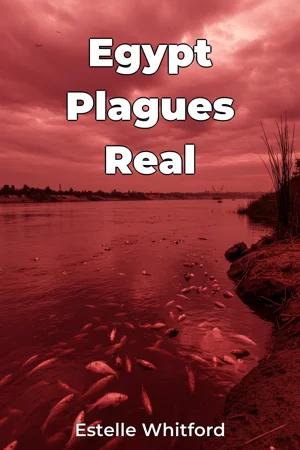
Could the biblical plagues of Egypt have a basis in verifiable environmental history? "Egypt Plagues Real" investigates this question, bridging the gap between religious texts and scientific understanding. This book examines the correlation between the plagues described in the Old Testament and documented natural disasters that have impacted the Nile River Valley throughout history. It is important because it attempts to reconcile faith and science and offers insights into the cyclical nature of environmental crises and their societal impact. This exploration requires understanding ancient Egyptian history, including their social and religious structures, basic geological processes in the Nile region, and principles of climatology and hydrology that govern the Nile's behavior. The central argument of "Egypt Plagues Real" is that the plagues, while retaining their religious significance, may be rooted in a series of naturally occurring environmental upheavals, specifically those affecting the Nile River system and its surrounding ecosystems. Understanding this intersection is crucial because it provides a framework for analyzing similar events throughout history and preparing for future environmental challenges. The book unfolds in a structured manner. First, the historical and religious context of the plagues is established, detailing the narrative as presented in religious texts and ancient Egyptian sources. Second, the natural history of the Nile River is explored, emphasizing geological formations, flood patterns, and ecological characteristics. The book investigates how these elements can lead to events comparable to the biblical plagues. Major points include: the role of volcanic activity in altering water chemistry (potentially explaining the "blood" in the river), the proliferation of disease-carrying insects following unusual flooding events, and the impact of ecological imbalances on agriculture and livestock. A final chapter synthesizes the evidence, presenting potential scenarios where natural events could have triggered a cascade of disasters resembling the biblical narrative. The book concludes with a discussion of modern environmental concerns facing the Nile and potential lessons learned from the past. Support for the argument comes from diverse sources, including geological surveys of the Nile Valley, climatological data pertaining to North Africa, and comparative studies of similar environmental disasters throughout history. Unique data sources include analysis of sediment cores from the Nile Delta, which reveal past fluctuations in water quality and the presence of unusual biological markers. The methodology involves comparing the timing and nature of these events with the timeline of the biblical plagues. "Egypt Plagues Real" connects to multiple disciplines, including geology, religious studies, and environmental science. The geological aspects illuminate the physical processes at play, such as volcanic eruptions and seismic activity. The religious studies context provides an understanding of how ancient societies interpreted and recorded such events. The environmental science component provides a framework for understanding the ecological consequences and long-term impacts of natural disasters. This book offers a novel perspective by framing the plagues as potential consequences of natural processes viewed through the lens of ancient understanding. The book's tone is analytical and objective, presenting evidence-based arguments in an accessible manner. The target audience includes readers interested in history, religion, and environmental science, as well as those seeking a deeper understanding of the intersection between faith and reason. This book will appeal to individuals looking for connections between historical accounts and tangible events and those interested in how cultures interpret environmental change. As a work of non-fiction history, "Egypt Plagues Real" prioritizes accuracy and evidence-based analysis. While exploring a topic often associated with religious belief, the book maintains a neutral and objective stance, presenting different interpretations and perspectives. The scope of the book focuses primarily on the environmental history of the Nile River Valley and its potential connection to the biblical plagues. It does not delve into theological debates or attempt to prove or disprove the existence of divine intervention. The information in "Egypt Plagues Real" provides a framework for understanding how natural disasters can shape human history and cultural narratives. It underscores the importance of studying past environmental events to prepare for future challenges and fosters a greater appreciation for the complex interplay between human societies and the natural world. While there are debates surrounding the historicity and interpretation of religious texts, this book addresses a potential point of convergence between history and science.
Could the biblical plagues of Egypt have a basis in verifiable environmental history? "Egypt Plagues Real" investigates this question, bridging the gap between religious texts and scientific understanding. This book examines the correlation between the plagues described in the Old Testament and documented natural disasters that have impacted the Nile River Valley throughout history. It is important because it attempts to reconcile faith and science and offers insights into the cyclical nature of environmental crises and their societal impact. This exploration requires understanding ancient Egyptian history, including their social and religious structures, basic geological processes in the Nile region, and principles of climatology and hydrology that govern the Nile's behavior. The central argument of "Egypt Plagues Real" is that the plagues, while retaining their religious significance, may be rooted in a series of naturally occurring environmental upheavals, specifically those affecting the Nile River system and its surrounding ecosystems. Understanding this intersection is crucial because it provides a framework for analyzing similar events throughout history and preparing for future environmental challenges. The book unfolds in a structured manner. First, the historical and religious context of the plagues is established, detailing the narrative as presented in religious texts and ancient Egyptian sources. Second, the natural history of the Nile River is explored, emphasizing geological formations, flood patterns, and ecological characteristics. The book investigates how these elements can lead to events comparable to the biblical plagues. Major points include: the role of volcanic activity in altering water chemistry (potentially explaining the "blood" in the river), the proliferation of disease-carrying insects following unusual flooding events, and the impact of ecological imbalances on agriculture and livestock. A final chapter synthesizes the evidence, presenting potential scenarios where natural events could have triggered a cascade of disasters resembling the biblical narrative. The book concludes with a discussion of modern environmental concerns facing the Nile and potential lessons learned from the past. Support for the argument comes from diverse sources, including geological surveys of the Nile Valley, climatological data pertaining to North Africa, and comparative studies of similar environmental disasters throughout history. Unique data sources include analysis of sediment cores from the Nile Delta, which reveal past fluctuations in water quality and the presence of unusual biological markers. The methodology involves comparing the timing and nature of these events with the timeline of the biblical plagues. "Egypt Plagues Real" connects to multiple disciplines, including geology, religious studies, and environmental science. The geological aspects illuminate the physical processes at play, such as volcanic eruptions and seismic activity. The religious studies context provides an understanding of how ancient societies interpreted and recorded such events. The environmental science component provides a framework for understanding the ecological consequences and long-term impacts of natural disasters. This book offers a novel perspective by framing the plagues as potential consequences of natural processes viewed through the lens of ancient understanding. The book's tone is analytical and objective, presenting evidence-based arguments in an accessible manner. The target audience includes readers interested in history, religion, and environmental science, as well as those seeking a deeper understanding of the intersection between faith and reason. This book will appeal to individuals looking for connections between historical accounts and tangible events and those interested in how cultures interpret environmental change. As a work of non-fiction history, "Egypt Plagues Real" prioritizes accuracy and evidence-based analysis. While exploring a topic often associated with religious belief, the book maintains a neutral and objective stance, presenting different interpretations and perspectives. The scope of the book focuses primarily on the environmental history of the Nile River Valley and its potential connection to the biblical plagues. It does not delve into theological debates or attempt to prove or disprove the existence of divine intervention. The information in "Egypt Plagues Real" provides a framework for understanding how natural disasters can shape human history and cultural narratives. It underscores the importance of studying past environmental events to prepare for future challenges and fosters a greater appreciation for the complex interplay between human societies and the natural world. While there are debates surrounding the historicity and interpretation of religious texts, this book addresses a potential point of convergence between history and science.
"Egypt Plagues Real" explores the intriguing possibility that the biblical plagues of Egypt may have roots in actual environmental events. It bridges religious texts and Earth Sciences Geography by examining documented natural disasters in the Nile River Valley. The book offers a unique perspective, suggesting the plagues could be linked to phenomena like volcanic activity altering water chemistry, or unusual floods leading to insect proliferation. This approach allows for a deeper understanding of the cyclical nature of environmental crises and their impact on societies throughout history. The book progresses systematically, first establishing the historical and religious context of the plagues as presented in ancient sources. Then, it delves into the Nile River's natural history, exploring geological formations, flood patterns, and ecological characteristics. By comparing the timing and nature of these events with the biblical narrative timeline, "Egypt Plagues Real" connects geology, religious studies, and environmental science, offering insights into how ancient societies interpreted significant environmental changes. The book concludes with a discussion of modern environmental concerns facing the Nile and potential lessons learned from the past.
Book Details
ISBN
9788235205315
Publisher
Publifye AS
Your Licenses
You don't own any licenses for this book
Purchase a license below to unlock this book and download the EPUB.
Purchase License
Select a tier to unlock this book
Need bulk licensing?
Contact us for enterprise agreements.