
About This Book
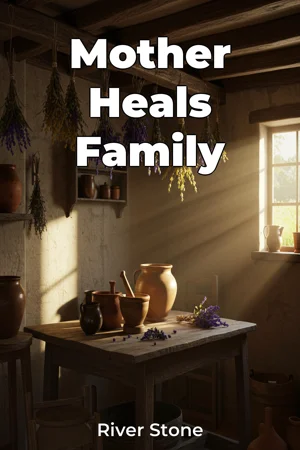
What if the key to family well-being lies buried in the forgotten wisdom of generations past? "Mother Heals Family" resurrects the largely unacknowledged role of the female health caretaker, a figure central to familial health and wellness, but whose knowledge and practices have been systematically marginalized by the rise of modern, often impersonal, medicine. This book explores the historical context, practices, and enduring relevance of this vital, yet often overlooked, figure. At the heart of "Mother Heals Family" are three core concepts: the historical significance of female health caretakers, the practical application of their traditional healing methods, and the impact of their disappearance on contemporary family health. The book highlights the importance of understanding the historical role women played in healthcare, offering a counterbalance to the traditionally male-dominated narrative of medical progress. It also examines the specific remedies and practices used by these caretakers, emphasizing the holistic approach to wellness they embodied. Finally, the book argues that the loss of this tradition has contributed to a disconnect between families and their health, increasing reliance on external medical systems and potentially overlooking simpler, preventative solutions. The book provides a comprehensive historical context, tracing the evolution of healthcare from familial settings to institutionalized systems. It delves into the social and cultural factors that led to the displacement of female health caretakers, including the professionalization of medicine and changing gender roles. Readers will gain an understanding of the historical power dynamics that shaped modern healthcare. The central argument of "Mother Heals Family" is that reclaiming and adapting the wisdom of the traditional female health caretaker can empower families to take greater control of their well-being, fostering a more proactive and preventative approach to health. This argument is vital because it challenges the current over-reliance on external medical interventions, advocating for a return to self-sufficiency and a deeper understanding of the body's natural healing capabilities. The book's structure begins by establishing the historical context and introducing the concept of the female health caretaker. It then develops this idea through several major points, including chapters focusing on specific areas of health, such as nutrition, herbal remedies, and preventative care. The culmination of the argument involves a discussion of how these traditional practices can be integrated into modern life, offering practical applications and resources for families seeking to reclaim this lost knowledge. "Mother Heals Family" draws upon a range of evidence, including historical texts, ethnographic studies, and oral histories, to reconstruct the practices and beliefs of female health caretakers. It uses a multidisciplinary approach, connecting history with health and fitness, and health & fitness to present a comprehensive picture of this lost art. The book's argument is enhanced by its connections to other fields, such as anthropology, sociology, and botany. Anthropology provides insights into the cultural contexts of traditional healing practices. Sociology helps explain the social forces that marginalized female health caretakers. Botany offers a deeper understanding of the medicinal properties of plants used in traditional remedies. "Mother Heals Family" offers a unique perspective by reclaiming a forgotten history and empowering families. The tone is both informative and accessible, making complex historical and medical information understandable and engaging for a broad audience. The target audience includes individuals interested in holistic health, natural remedies, women’s history, and family wellness. "Mother Heals Family" is particularly valuable for those seeking to take a more active role in their health, those interested in alternative medicine, and those seeking to connect with the wisdom of past generations. As a non-fiction work within history and health, the book aims to be both informative and practical, providing readers with a deeper understanding of the past and actionable steps for improving their health and the health of their families. The scope of the book is limited to focusing on the role of women as health caretakers within the family unit, recognizing that other forms of traditional healing exist but are beyond the purview of this particular work. The information presented in "Mother Heals Family" can be applied in practical ways, such as incorporating traditional herbal remedies into daily routines, understanding the importance of preventative care, and fostering a stronger connection between family members and their health. The book also addresses the ongoing debates surrounding the integration of traditional and modern medicine, acknowledging the potential benefits and limitations of both approaches.
What if the key to family well-being lies buried in the forgotten wisdom of generations past? "Mother Heals Family" resurrects the largely unacknowledged role of the female health caretaker, a figure central to familial health and wellness, but whose knowledge and practices have been systematically marginalized by the rise of modern, often impersonal, medicine. This book explores the historical context, practices, and enduring relevance of this vital, yet often overlooked, figure. At the heart of "Mother Heals Family" are three core concepts: the historical significance of female health caretakers, the practical application of their traditional healing methods, and the impact of their disappearance on contemporary family health. The book highlights the importance of understanding the historical role women played in healthcare, offering a counterbalance to the traditionally male-dominated narrative of medical progress. It also examines the specific remedies and practices used by these caretakers, emphasizing the holistic approach to wellness they embodied. Finally, the book argues that the loss of this tradition has contributed to a disconnect between families and their health, increasing reliance on external medical systems and potentially overlooking simpler, preventative solutions. The book provides a comprehensive historical context, tracing the evolution of healthcare from familial settings to institutionalized systems. It delves into the social and cultural factors that led to the displacement of female health caretakers, including the professionalization of medicine and changing gender roles. Readers will gain an understanding of the historical power dynamics that shaped modern healthcare. The central argument of "Mother Heals Family" is that reclaiming and adapting the wisdom of the traditional female health caretaker can empower families to take greater control of their well-being, fostering a more proactive and preventative approach to health. This argument is vital because it challenges the current over-reliance on external medical interventions, advocating for a return to self-sufficiency and a deeper understanding of the body's natural healing capabilities. The book's structure begins by establishing the historical context and introducing the concept of the female health caretaker. It then develops this idea through several major points, including chapters focusing on specific areas of health, such as nutrition, herbal remedies, and preventative care. The culmination of the argument involves a discussion of how these traditional practices can be integrated into modern life, offering practical applications and resources for families seeking to reclaim this lost knowledge. "Mother Heals Family" draws upon a range of evidence, including historical texts, ethnographic studies, and oral histories, to reconstruct the practices and beliefs of female health caretakers. It uses a multidisciplinary approach, connecting history with health and fitness, and health & fitness to present a comprehensive picture of this lost art. The book's argument is enhanced by its connections to other fields, such as anthropology, sociology, and botany. Anthropology provides insights into the cultural contexts of traditional healing practices. Sociology helps explain the social forces that marginalized female health caretakers. Botany offers a deeper understanding of the medicinal properties of plants used in traditional remedies. "Mother Heals Family" offers a unique perspective by reclaiming a forgotten history and empowering families. The tone is both informative and accessible, making complex historical and medical information understandable and engaging for a broad audience. The target audience includes individuals interested in holistic health, natural remedies, women’s history, and family wellness. "Mother Heals Family" is particularly valuable for those seeking to take a more active role in their health, those interested in alternative medicine, and those seeking to connect with the wisdom of past generations. As a non-fiction work within history and health, the book aims to be both informative and practical, providing readers with a deeper understanding of the past and actionable steps for improving their health and the health of their families. The scope of the book is limited to focusing on the role of women as health caretakers within the family unit, recognizing that other forms of traditional healing exist but are beyond the purview of this particular work. The information presented in "Mother Heals Family" can be applied in practical ways, such as incorporating traditional herbal remedies into daily routines, understanding the importance of preventative care, and fostering a stronger connection between family members and their health. The book also addresses the ongoing debates surrounding the integration of traditional and modern medicine, acknowledging the potential benefits and limitations of both approaches.
"Mother Heals Family" explores the pivotal, yet often overlooked, role of women as family health caretakers throughout history. It examines how these women, employing traditional medicine and holistic health practices, were central to family wellness before the rise of modern healthcare. The book unearths the historical significance of their knowledge, revealing how their time-honored methods, like using herbal remedies and focusing on preventative care, have been marginalized. Did you know that historically, women often served as the primary source of medical knowledge within their communities, passing down vital health information through generations? The book progresses by first establishing a historical context, then delving into specific areas such as nutrition and natural remedies. "Mother Heals Family" argues that reclaiming this lost wisdom can empower families to take a more active role in their health. This approach emphasizes self-sufficiency and a return to understanding the body's natural healing capabilities, advocating for a balanced perspective on modern and traditional health practices. The loss of the female health caretaker tradition has led to a disconnect between families and their health, increasing reliance on external medical systems.
Book Details
ISBN
9788235205216
Publisher
Publifye AS
Your Licenses
You don't own any licenses for this book
Purchase a license below to unlock this book and download the EPUB.
Purchase License
Select a tier to unlock this book
Need bulk licensing?
Contact us for enterprise agreements.