
About This Book
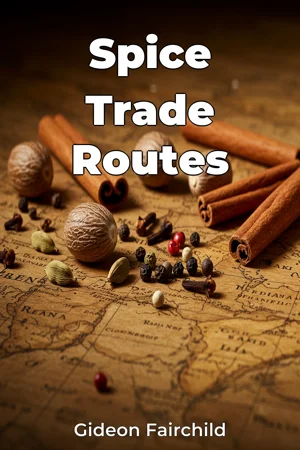
What if the simple desire for a pinch of spice irrevocably shaped the modern world? "Spice Trade Routes" explores the captivating history of how flavorings like pepper, cinnamon, cloves, and nutmeg fueled exploration, colonization, and the construction of global economic networks. This book delves into the profound impact of the spice trade, arguing that the quest for these commodities was a primary catalyst for global interaction and the reshaping of societies across continents. The narrative unfolds through an examination of three central themes: the allure of spices, maritime exploration, and the establishment of trade empires. First, we dissect the cultural and economic value attributed to spices throughout history, examining their role not just as culinary enhancements but also as medicines, perfumes, and symbols of wealth and status. Second, the book details the perilous voyages undertaken by explorers seeking direct routes to spice-producing lands, highlighting the technological advancements in shipbuilding and navigation that facilitated these expeditions. Third, it investigates the rise and fall of powerful trading companies, such as the Dutch East India Company and the British East India Company, analyzing their complex systems of trade, governance, and exploitation. Understanding the spice trade requires considering its historical context: the pre-modern world's limited means of preservation, the scarcity of certain resources in specific regions, and the vast cultural differences that shaped demand. We begin by introducing the main players in the spice trade - from Arab merchants to European monarchs - and examining the existing trade networks before the Age of Exploration. "Spice Trade Routes" presents a structured journey: initially exploring the origins of specific spices and their uses in ancient civilizations, then tracing the development of maritime technology and the impact of key voyages (Vasco da Gama, Christopher Columbus, Ferdinand Magellan), and ultimately culminating in an analysis of the lasting legacies of colonialism and globalization resulting from the spice trade. This study draws upon a wide array of primary source documents, including ships' logs, merchants' letters, and colonial records, along with contemporary scholarship in economic history, maritime history, and postcolonial studies to support its core arguments. The book makes connections across multiple disciplines, linking history with economics to understand the growth of capitalism, with geography to analyze the shifting centers of global power, and with anthropology to appreciate the cultural exchange (and clashes) caused by the movement of spices and people. This book offers a unique perspective by focusing on the commodities themselves – the spices – and illustrating how their inherent value drove historical events. Previous studies might focus on the countries or companies involved, but this work centers on the spices as the key actors. The writing style adopts a chronological, narrative approach, aiming to engage readers with vivid descriptions and compelling stories while maintaining rigorous academic standards. The target audience includes students of history, economics, and global studies, as well as general readers interested in learning about the forces that have shaped the world we live in. The value lies in providing a comprehensive and accessible account of a crucial period in global history. As a work of world history, "Spice Trade Routes" acknowledges the vastness of its subject matter while maintaining a focused scope, primarily examining the period from the 15th to the 18th centuries and concentrating on the maritime routes between Asia and Europe. While acknowledging the impact on the Americas, the book mainly details events in the "Old World". The lessons of the spice trade remain relevant today. Understanding the history of global trade networks, the dynamics of supply and demand, and the consequences of colonialism can inform contemporary debates about fair trade, economic inequality, and sustainable development. The book also addresses the ongoing disputes surrounding the origins and control of certain spices, exploring the complex web of intellectual property rights, indigenous knowledge, and cultural appropriation.
What if the simple desire for a pinch of spice irrevocably shaped the modern world? "Spice Trade Routes" explores the captivating history of how flavorings like pepper, cinnamon, cloves, and nutmeg fueled exploration, colonization, and the construction of global economic networks. This book delves into the profound impact of the spice trade, arguing that the quest for these commodities was a primary catalyst for global interaction and the reshaping of societies across continents. The narrative unfolds through an examination of three central themes: the allure of spices, maritime exploration, and the establishment of trade empires. First, we dissect the cultural and economic value attributed to spices throughout history, examining their role not just as culinary enhancements but also as medicines, perfumes, and symbols of wealth and status. Second, the book details the perilous voyages undertaken by explorers seeking direct routes to spice-producing lands, highlighting the technological advancements in shipbuilding and navigation that facilitated these expeditions. Third, it investigates the rise and fall of powerful trading companies, such as the Dutch East India Company and the British East India Company, analyzing their complex systems of trade, governance, and exploitation. Understanding the spice trade requires considering its historical context: the pre-modern world's limited means of preservation, the scarcity of certain resources in specific regions, and the vast cultural differences that shaped demand. We begin by introducing the main players in the spice trade - from Arab merchants to European monarchs - and examining the existing trade networks before the Age of Exploration. "Spice Trade Routes" presents a structured journey: initially exploring the origins of specific spices and their uses in ancient civilizations, then tracing the development of maritime technology and the impact of key voyages (Vasco da Gama, Christopher Columbus, Ferdinand Magellan), and ultimately culminating in an analysis of the lasting legacies of colonialism and globalization resulting from the spice trade. This study draws upon a wide array of primary source documents, including ships' logs, merchants' letters, and colonial records, along with contemporary scholarship in economic history, maritime history, and postcolonial studies to support its core arguments. The book makes connections across multiple disciplines, linking history with economics to understand the growth of capitalism, with geography to analyze the shifting centers of global power, and with anthropology to appreciate the cultural exchange (and clashes) caused by the movement of spices and people. This book offers a unique perspective by focusing on the commodities themselves – the spices – and illustrating how their inherent value drove historical events. Previous studies might focus on the countries or companies involved, but this work centers on the spices as the key actors. The writing style adopts a chronological, narrative approach, aiming to engage readers with vivid descriptions and compelling stories while maintaining rigorous academic standards. The target audience includes students of history, economics, and global studies, as well as general readers interested in learning about the forces that have shaped the world we live in. The value lies in providing a comprehensive and accessible account of a crucial period in global history. As a work of world history, "Spice Trade Routes" acknowledges the vastness of its subject matter while maintaining a focused scope, primarily examining the period from the 15th to the 18th centuries and concentrating on the maritime routes between Asia and Europe. While acknowledging the impact on the Americas, the book mainly details events in the "Old World". The lessons of the spice trade remain relevant today. Understanding the history of global trade networks, the dynamics of supply and demand, and the consequences of colonialism can inform contemporary debates about fair trade, economic inequality, and sustainable development. The book also addresses the ongoing disputes surrounding the origins and control of certain spices, exploring the complex web of intellectual property rights, indigenous knowledge, and cultural appropriation.
"Spice Trade Routes" explores how the demand for spices like pepper and cinnamon drove maritime exploration, colonialism, and the creation of global economic networks. The book argues that the quest for these commodities acted as a major catalyst for global interaction, reshaping societies worldwide. Intriguingly, spices weren't just culinary enhancements; they served as medicines, perfumes, and status symbols, demonstrating their profound cultural and economic value. The book progresses chronologically, beginning with the origins and uses of spices in ancient civilizations. It then traces the development of maritime technology and the impact of voyages by explorers such as Vasco da Gama. It culminates in an analysis of the lasting legacies of colonialism and globalization. Highlighting the interconnectedness of history and economics, the book uniquely focuses on the spices themselves as key drivers of historical events rather than solely on the countries or companies involved.
Book Details
ISBN
9788235205209
Publisher
Publifye AS
Your Licenses
You don't own any licenses for this book
Purchase a license below to unlock this book and download the EPUB.
Purchase License
Select a tier to unlock this book
Need bulk licensing?
Contact us for enterprise agreements.