
About This Book
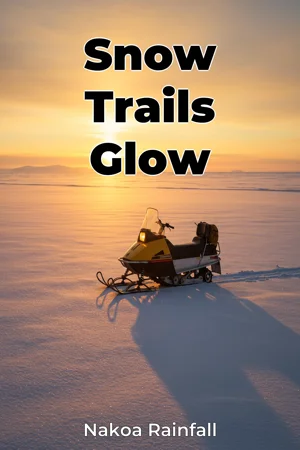
How did a machine transform a centuries-old way of life, and what were the unexpected consequences? "Snow Trails Glow" explores the profound impact of the snowmobile on Inuit hunting practices, examining its role in increasing efficiency, altering social structures, and reshaping the relationship between the Inuit and their environment. This book is significant because it delves into the complex interplay between technology, culture, and ecology, a dynamic relevant to many indigenous communities facing modernization. This book places the advent of snowmobile hunting within the broader context of 20th-century technological advancements and their penetration into remote Arctic regions. Understanding Inuit traditional hunting practices and social organization before the introduction of snowmobiles is crucial. This provides the baseline against which the subsequent transformations are measured. The central argument is that while snowmobiles initially offered increased hunting efficiency and access to resources, they also triggered a cascade of social, economic, and environmental changes that require careful consideration. "Snow Trails Glow" is structured to provide a comprehensive analysis. It begins by introducing traditional Inuit hunting methods, highlighting their sustainability and intricate knowledge systems. The book then examines the adoption of snowmobiles, detailing the initial benefits such as increased hunting range and reduced travel time. A substantial portion of the book is dedicated to exploring the resulting shifts in hunting patterns, resource management, and social dynamics. It investigates how the greater hunting range impacts animal populations. A chapter examines subsequent economic dependency on snowmobiles and the rising costs of fuel and maintenance. Another section analyzes the cultural impact, including changes in knowledge transmission and community structures. The book culminates by considering the long-term implications for Inuit communities and advocating for culturally sensitive approaches to technology adoption and resource management. Practical considerations for sustainable hunting practices in the age of motorized transport are also examined. The analysis relies on a variety of evidence, including oral histories collected from Inuit elders, ethnographic studies of contemporary hunting practices, and quantitative data on wildlife populations and resource consumption. Government reports and archival documents from the period of snowmobile introduction also provide valuable insights. The book has interdisciplinary connections to environmental studies, sociology, and development economics. By examining the ecological consequences of snowmobile use, it contributes to broader discussions about human impacts on fragile ecosystems. Its analysis of social changes resonates with sociological research on the effects of modernization on indigenous cultures. The economic aspects of snowmobile dependency connect to debates about sustainable development in resource-dependent communities. "Snow Trails Glow" offers a unique perspective by combining historical analysis with contemporary observations, providing a nuanced account of technological change in the Arctic. It aims for a style that is both academically rigorous and accessible to a broad audience. The target audience includes students and scholars in social sciences, history, and environmental studies, as well as policymakers and anyone interested in the impact of technology on indigenous cultures. The book's value lies in its comprehensive examination of a case study that has broader implications for understanding the complex relationship between humans, technology, and the environment. As a work of social science and history, the book adheres to principles of objectivity, evidence-based analysis, and ethical research practices. The scope is intentionally limited to the Inuit experience with snowmobiles, although comparisons to other indigenous communities facing similar challenges are drawn where relevant. The information presented has practical applications for policymakers seeking to promote sustainable resource management in the Arctic, as well as for indigenous communities navigating the challenges of technological change. The book also tackles debates surrounding the ethical implications of technology adoption in traditional societies, including discussions about cultural preservation, environmental sustainability, and economic self-determination.
How did a machine transform a centuries-old way of life, and what were the unexpected consequences? "Snow Trails Glow" explores the profound impact of the snowmobile on Inuit hunting practices, examining its role in increasing efficiency, altering social structures, and reshaping the relationship between the Inuit and their environment. This book is significant because it delves into the complex interplay between technology, culture, and ecology, a dynamic relevant to many indigenous communities facing modernization. This book places the advent of snowmobile hunting within the broader context of 20th-century technological advancements and their penetration into remote Arctic regions. Understanding Inuit traditional hunting practices and social organization before the introduction of snowmobiles is crucial. This provides the baseline against which the subsequent transformations are measured. The central argument is that while snowmobiles initially offered increased hunting efficiency and access to resources, they also triggered a cascade of social, economic, and environmental changes that require careful consideration. "Snow Trails Glow" is structured to provide a comprehensive analysis. It begins by introducing traditional Inuit hunting methods, highlighting their sustainability and intricate knowledge systems. The book then examines the adoption of snowmobiles, detailing the initial benefits such as increased hunting range and reduced travel time. A substantial portion of the book is dedicated to exploring the resulting shifts in hunting patterns, resource management, and social dynamics. It investigates how the greater hunting range impacts animal populations. A chapter examines subsequent economic dependency on snowmobiles and the rising costs of fuel and maintenance. Another section analyzes the cultural impact, including changes in knowledge transmission and community structures. The book culminates by considering the long-term implications for Inuit communities and advocating for culturally sensitive approaches to technology adoption and resource management. Practical considerations for sustainable hunting practices in the age of motorized transport are also examined. The analysis relies on a variety of evidence, including oral histories collected from Inuit elders, ethnographic studies of contemporary hunting practices, and quantitative data on wildlife populations and resource consumption. Government reports and archival documents from the period of snowmobile introduction also provide valuable insights. The book has interdisciplinary connections to environmental studies, sociology, and development economics. By examining the ecological consequences of snowmobile use, it contributes to broader discussions about human impacts on fragile ecosystems. Its analysis of social changes resonates with sociological research on the effects of modernization on indigenous cultures. The economic aspects of snowmobile dependency connect to debates about sustainable development in resource-dependent communities. "Snow Trails Glow" offers a unique perspective by combining historical analysis with contemporary observations, providing a nuanced account of technological change in the Arctic. It aims for a style that is both academically rigorous and accessible to a broad audience. The target audience includes students and scholars in social sciences, history, and environmental studies, as well as policymakers and anyone interested in the impact of technology on indigenous cultures. The book's value lies in its comprehensive examination of a case study that has broader implications for understanding the complex relationship between humans, technology, and the environment. As a work of social science and history, the book adheres to principles of objectivity, evidence-based analysis, and ethical research practices. The scope is intentionally limited to the Inuit experience with snowmobiles, although comparisons to other indigenous communities facing similar challenges are drawn where relevant. The information presented has practical applications for policymakers seeking to promote sustainable resource management in the Arctic, as well as for indigenous communities navigating the challenges of technological change. The book also tackles debates surrounding the ethical implications of technology adoption in traditional societies, including discussions about cultural preservation, environmental sustainability, and economic self-determination.
"Snow Trails Glow" examines the snowmobile's transformative impact on Inuit hunting practices and Arctic regions, revealing how a single machine altered a centuries-old way of life. This exploration of modernization highlights the complex interplay between technology, culture, and ecology, relevant to many indigenous cultures. The book reveals that, while snowmobiles increased hunting efficiency, they also led to social, economic, and environmental shifts. One such shift involves the increased hunting range impacting animal populations. The book begins by outlining traditional Inuit hunting methods and their sustainability. It then transitions into the adoption of snowmobiles and their immediate benefits, before delving into subsequent shifts in hunting patterns, resource management, and social dynamics. "Snow Trails Glow" utilizes oral histories, ethnographic studies, and quantitative data to provide a comprehensive analysis of the cultural preservation, environmental impact, and economic dependency linked to snowmobile use. Ultimately, it advocates for culturally sensitive approaches to technology adoption and resource management, offering valuable insights for sustainable development in the Arctic.
Book Details
ISBN
9788235205131
Publisher
Publifye AS
Your Licenses
You don't own any licenses for this book
Purchase a license below to unlock this book and download the EPUB.
Purchase License
Select a tier to unlock this book
Need bulk licensing?
Contact us for enterprise agreements.