
About This Book
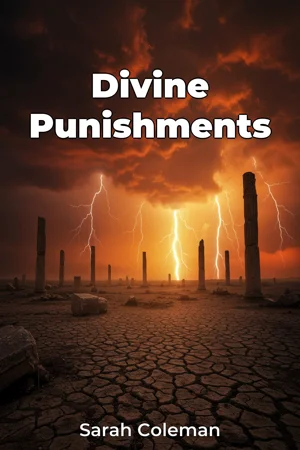
Are acts of God truly acts of justice, or are they reflections of humanity's own moral interpretations projected onto the divine? *Divine Punishments* delves into the complex and often unsettling narratives of divine wrath, the consequences of sin, and the varied depictions of punishment found in religious texts, primarily, but not exclusively, within the Judeo-Christian tradition. This exploration is crucial because it illuminates the enduring human struggle to understand suffering, morality, and the perceived role of a higher power in the face of earthly tribulations. The pervasive themes of sin, repentance, and redemption that permeate religious doctrine continue to influence legal systems, ethical frameworks, and individual moral compasses to this day. This book examines the historical context of these stories, recognizing that interpretations of divine punishment have evolved alongside societal changes and philosophical shifts. It navigates the landscape of ancient Near Eastern cultures, acknowledging the foundational influence these societies had on shaping the narratives present in the Hebrew Bible and subsequently, the Christian New Testament. The reader should come familiar with basic theological and historical understanding of the Abrahamic religions. The central argument posits that portrayals of divine punishment are not static pronouncements of unchanging judgment, but rather, dynamic expressions of cultural anxieties, power structures, and evolving understandings of justice within specific historical contexts. By analyzing these narratives through a critical lens, considering literary devices, socio-political influences, and theological interpretations, this book aims to deconstruct the traditional understanding of what divine punishment means and what it reveals about humanity itself. The book is structured in three parts. First, we introduce the foundational concepts of sin, punishment, and divine justice as presented in key religious texts. Second, through case studies of major narratives, the book explores how these concepts are expressed in ancient stories, such as Noah's Flood, the destruction of Sodom and Gomorrah, and the plagues of Egypt. Each chapter analyzes the narrative structure and explores the ethical complexities of such events. Third, the book focuses on the evolution of these ideas through the New Testament and later theological interpretations, culminating in an examination of the ongoing debates surrounding divine justice in contemporary religious thought. The arguments presented are supported by in-depth textual analysis of religious scriptures, combined with historical research into the social and political conditions surrounding their creation. It draws on archaeological findings, comparative mythology, and theological scholarship. Particular attention is given to the original Hebrew and Greek texts providing a nuanced understanding of the language and cultural context. This work intersects with history, literary criticism, and sociology, providing a holistic perspective on the topic. It considers how historical events influenced the writing of religious texts, the narrative techniques employed to convey theological messages, and the social impact of these stories on shaping cultural values. The book takes the stand of critical thinking that is generally absent when dealing with the subject of religion. The tone is academic yet accessible, aiming to engage both scholars and general readers interested in religious studies, biblical literature, and the history of ideas. The writing style strives for clarity and objectivity, presenting diverse perspectives and encouraging critical thinking rather than promoting any specific theological viewpoint. The intended audience includes students of religion, theologians, historians, and anyone interested in exploring the complex relationship between faith, morality, and justice. This book offers valuable insights for readers seeking a deeper understanding of the narratives that have shaped Western culture and continue to influence contemporary debates about ethics and social responsibility. While primarily focusing on the narratives within the Judeo-Christian tradition, the book also draws comparisons with other religious and mythological traditions to highlight universal themes and cultural variations in the portrayal of divine retribution. *Divine Punishments* does not aim to provide definitive answers or endorse any particular religious doctrine but rather, seeks to foster critical engagement with these enduring stories and their ongoing relevance in the modern world. The analysis encourages readers to critically examine their own assumptions about justice, morality, and the nature of divine power. The book engages with ongoing debates about theodicy, free will, and the problem of evil, offering a fresh perspective on these age-old questions.
Are acts of God truly acts of justice, or are they reflections of humanity's own moral interpretations projected onto the divine? *Divine Punishments* delves into the complex and often unsettling narratives of divine wrath, the consequences of sin, and the varied depictions of punishment found in religious texts, primarily, but not exclusively, within the Judeo-Christian tradition. This exploration is crucial because it illuminates the enduring human struggle to understand suffering, morality, and the perceived role of a higher power in the face of earthly tribulations. The pervasive themes of sin, repentance, and redemption that permeate religious doctrine continue to influence legal systems, ethical frameworks, and individual moral compasses to this day. This book examines the historical context of these stories, recognizing that interpretations of divine punishment have evolved alongside societal changes and philosophical shifts. It navigates the landscape of ancient Near Eastern cultures, acknowledging the foundational influence these societies had on shaping the narratives present in the Hebrew Bible and subsequently, the Christian New Testament. The reader should come familiar with basic theological and historical understanding of the Abrahamic religions. The central argument posits that portrayals of divine punishment are not static pronouncements of unchanging judgment, but rather, dynamic expressions of cultural anxieties, power structures, and evolving understandings of justice within specific historical contexts. By analyzing these narratives through a critical lens, considering literary devices, socio-political influences, and theological interpretations, this book aims to deconstruct the traditional understanding of what divine punishment means and what it reveals about humanity itself. The book is structured in three parts. First, we introduce the foundational concepts of sin, punishment, and divine justice as presented in key religious texts. Second, through case studies of major narratives, the book explores how these concepts are expressed in ancient stories, such as Noah's Flood, the destruction of Sodom and Gomorrah, and the plagues of Egypt. Each chapter analyzes the narrative structure and explores the ethical complexities of such events. Third, the book focuses on the evolution of these ideas through the New Testament and later theological interpretations, culminating in an examination of the ongoing debates surrounding divine justice in contemporary religious thought. The arguments presented are supported by in-depth textual analysis of religious scriptures, combined with historical research into the social and political conditions surrounding their creation. It draws on archaeological findings, comparative mythology, and theological scholarship. Particular attention is given to the original Hebrew and Greek texts providing a nuanced understanding of the language and cultural context. This work intersects with history, literary criticism, and sociology, providing a holistic perspective on the topic. It considers how historical events influenced the writing of religious texts, the narrative techniques employed to convey theological messages, and the social impact of these stories on shaping cultural values. The book takes the stand of critical thinking that is generally absent when dealing with the subject of religion. The tone is academic yet accessible, aiming to engage both scholars and general readers interested in religious studies, biblical literature, and the history of ideas. The writing style strives for clarity and objectivity, presenting diverse perspectives and encouraging critical thinking rather than promoting any specific theological viewpoint. The intended audience includes students of religion, theologians, historians, and anyone interested in exploring the complex relationship between faith, morality, and justice. This book offers valuable insights for readers seeking a deeper understanding of the narratives that have shaped Western culture and continue to influence contemporary debates about ethics and social responsibility. While primarily focusing on the narratives within the Judeo-Christian tradition, the book also draws comparisons with other religious and mythological traditions to highlight universal themes and cultural variations in the portrayal of divine retribution. *Divine Punishments* does not aim to provide definitive answers or endorse any particular religious doctrine but rather, seeks to foster critical engagement with these enduring stories and their ongoing relevance in the modern world. The analysis encourages readers to critically examine their own assumptions about justice, morality, and the nature of divine power. The book engages with ongoing debates about theodicy, free will, and the problem of evil, offering a fresh perspective on these age-old questions.
"Divine Punishments" explores the complex narratives of divine wrath and the consequences of sin within religious texts, primarily the Judeo-Christian tradition. It examines how interpretations of divine punishment have evolved alongside societal and philosophical changes. One intriguing aspect is how these stories reflect cultural anxieties and power structures rather than static pronouncements of unchanging judgment. The book posits that understanding these narratives requires a critical lens, considering literary devices, socio-political influences, and theological interpretations. The book's approach involves in-depth textual analysis of religious scriptures, combined with historical research into the social and political conditions surrounding their creation. By analyzing narratives like Noah's Flood and the plagues of Egypt, "Divine Punishments" aims to deconstruct traditional understandings of divine punishment, revealing insights into humanity itself. It highlights the influence of ancient Near Eastern cultures on shaping these narratives. It engages with ongoing debates about theodicy, free will, and the problem of evil. The book progresses through three parts: foundational concepts of sin and divine justice; case studies of major narratives; and the evolution of these ideas through the New Testament and contemporary religious thought. This comprehensive approach offers valuable insights for those seeking a deeper understanding of the narratives that have shaped Western culture and continue to influence contemporary debates about ethics and social responsibility.
Book Details
ISBN
9788235205100
Publisher
Publifye AS
Your Licenses
You don't own any licenses for this book
Purchase a license below to unlock this book and download the EPUB.
Purchase License
Select a tier to unlock this book
Need bulk licensing?
Contact us for enterprise agreements.