
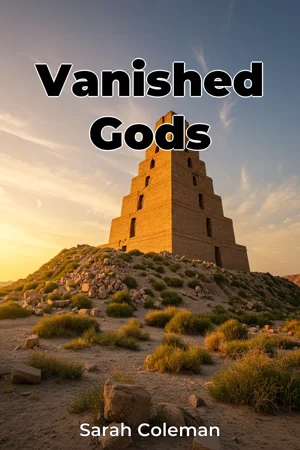
About This Book
Why do some gods fade from memory while others endure for millennia? "Vanished Gods" delves into the fascinating realm of forgotten deities, exploring the reasons behind their decline, the cultures that once revered them, and how fragmented remnants of their stories survive in mythology and folklore. This book is not merely a catalog of lost gods; it's an investigation into the complex interplay of belief, power, and societal change that shapes the religious landscape. Three central themes drive our exploration. First, we examine the historical context surrounding the rise and fall of specific deities, considering factors such as political upheaval, religious competition, and the adoption of new belief systems. Second, we analyze the social structures and cultural practices associated with these vanished gods, uncovering clues about the lives of their worshippers and the rituals they performed. Finally, we investigate the ways in which these deities are preserved—or transformed—within surviving myths, legends, and artistic traditions. To understand the disappearance of gods, we must first acknowledge the fluidity of religious belief throughout history. Ancient societies were not monolithic in their devotion; religious landscapes were dynamic, with gods gaining and losing prominence over time. This book argues that the disappearance of a deity is rarely a simple case of abandonment; rather, it’s usually a complex process involving syncretism, reinterpretation, and the gradual erosion of cultural memory. This argument has value, and it shifts the focus from a passive understanding of religious evolution to an active investigation of the historical and cultural forces that shape divine fates. The book is structured in three parts. Part one introduces the concept of "divine mortality" and establishes a framework for understanding the factors that contribute to the decline of religious beliefs. It sets the stage by exploring case studies from Mesopotamia, Egypt, and the ancient Near East. Part two focuses on the gods of the classical world of Greece and Rome, examining how deities were absorbed, adapted, or rejected as empires rose and fell. Part three examines the legacy of vanished gods in modern culture, analyzing their presence in literature, art, and contemporary religious movements, demonstrating that even forgotten deities can exert a subtle influence on the present. The evidence presented is drawn from a wide range of sources, including archaeological finds, ancient texts, religious inscriptions, and comparative mythology. Particular emphasis is placed on primary source analysis and the integration of data from diverse disciplines, like religious studies, archaeology, and anthropology. "Vanished Gods" also connects with several other academic fields. It intersects with sociology by investigating the social functions of religion and the ways in which belief systems reinforce social structures. It engages with anthropology by exploring the cultural contexts in which these deities were worshipped. It also interacts with literary studies by analyzing the representation of vanished gods in mythology and literature. These interdisciplinary connections deepen our understanding of the complex relationship between religion, culture, and history. The book's unique contribution lies in its focus on the *process* of divine decline. It moves beyond simply identifying vanished gods to examining the specific historical, social, and cultural factors that led to their disappearance. The writing style is scholarly but accessible, aiming to engage both academic readers and general audiences interested in history, religion, and mythology. The tone is informative and analytical, avoiding speculation and relying on evidence-based arguments. This book is intended for students of religion, history, and classical studies, as well as anyone with an interest in ancient cultures and mythology. It offers a fresh perspective on the evolution of religious belief. The book intentionally limits its scope to the pre-Christian era, recognizing that the dynamics of divine disappearance shift in later historical periods. Ultimately, “Vanished Gods” encourages readers to contemplate the ephemeral nature of belief and the enduring power of stories. By understanding why some gods vanish, we gain a deeper appreciation for the forces that shape our own beliefs and traditions. The book addresses the debates surrounding the interpretation of ancient religious texts and the reconstruction of lost religious practices.
Why do some gods fade from memory while others endure for millennia? "Vanished Gods" delves into the fascinating realm of forgotten deities, exploring the reasons behind their decline, the cultures that once revered them, and how fragmented remnants of their stories survive in mythology and folklore. This book is not merely a catalog of lost gods; it's an investigation into the complex interplay of belief, power, and societal change that shapes the religious landscape. Three central themes drive our exploration. First, we examine the historical context surrounding the rise and fall of specific deities, considering factors such as political upheaval, religious competition, and the adoption of new belief systems. Second, we analyze the social structures and cultural practices associated with these vanished gods, uncovering clues about the lives of their worshippers and the rituals they performed. Finally, we investigate the ways in which these deities are preserved—or transformed—within surviving myths, legends, and artistic traditions. To understand the disappearance of gods, we must first acknowledge the fluidity of religious belief throughout history. Ancient societies were not monolithic in their devotion; religious landscapes were dynamic, with gods gaining and losing prominence over time. This book argues that the disappearance of a deity is rarely a simple case of abandonment; rather, it’s usually a complex process involving syncretism, reinterpretation, and the gradual erosion of cultural memory. This argument has value, and it shifts the focus from a passive understanding of religious evolution to an active investigation of the historical and cultural forces that shape divine fates. The book is structured in three parts. Part one introduces the concept of "divine mortality" and establishes a framework for understanding the factors that contribute to the decline of religious beliefs. It sets the stage by exploring case studies from Mesopotamia, Egypt, and the ancient Near East. Part two focuses on the gods of the classical world of Greece and Rome, examining how deities were absorbed, adapted, or rejected as empires rose and fell. Part three examines the legacy of vanished gods in modern culture, analyzing their presence in literature, art, and contemporary religious movements, demonstrating that even forgotten deities can exert a subtle influence on the present. The evidence presented is drawn from a wide range of sources, including archaeological finds, ancient texts, religious inscriptions, and comparative mythology. Particular emphasis is placed on primary source analysis and the integration of data from diverse disciplines, like religious studies, archaeology, and anthropology. "Vanished Gods" also connects with several other academic fields. It intersects with sociology by investigating the social functions of religion and the ways in which belief systems reinforce social structures. It engages with anthropology by exploring the cultural contexts in which these deities were worshipped. It also interacts with literary studies by analyzing the representation of vanished gods in mythology and literature. These interdisciplinary connections deepen our understanding of the complex relationship between religion, culture, and history. The book's unique contribution lies in its focus on the *process* of divine decline. It moves beyond simply identifying vanished gods to examining the specific historical, social, and cultural factors that led to their disappearance. The writing style is scholarly but accessible, aiming to engage both academic readers and general audiences interested in history, religion, and mythology. The tone is informative and analytical, avoiding speculation and relying on evidence-based arguments. This book is intended for students of religion, history, and classical studies, as well as anyone with an interest in ancient cultures and mythology. It offers a fresh perspective on the evolution of religious belief. The book intentionally limits its scope to the pre-Christian era, recognizing that the dynamics of divine disappearance shift in later historical periods. Ultimately, “Vanished Gods” encourages readers to contemplate the ephemeral nature of belief and the enduring power of stories. By understanding why some gods vanish, we gain a deeper appreciation for the forces that shape our own beliefs and traditions. The book addresses the debates surrounding the interpretation of ancient religious texts and the reconstruction of lost religious practices.
"Vanished Gods" explores the intriguing phenomenon of forgotten deities and the reasons behind their decline, offering insights into ancient religions and cultures. The book examines how political upheaval, religious competition, and the rise of new belief systems contributed to the fading of once-prominent gods. It also delves into the social structures and cultural practices associated with these lost gods, shedding light on the lives of their worshippers. For example, many ancient societies saw religious landscapes as dynamic, with gods gaining and losing importance over time. This study uniquely focuses on the *process* of divine decline, moving beyond mere identification of vanished gods to examining the specific factors leading to their disappearance. Drawing from archaeology, ancient texts, and comparative mythology, the book analyzes how these deities are preserved or transformed in myths, legends, and art. It is structured in three parts, beginning with case studies from Mesopotamia, Egypt, and the Near East, then moving to the gods of Greece and Rome, and finally examining their legacy in modern culture. "Vanished Gods" demonstrates that even forgotten deities can exert a subtle influence, prompting readers to consider the ephemeral nature of belief and the enduring power of stories. The book's approach shifts the focus from a passive understanding of religious evolution to an active investigation of the historical and cultural forces that shape divine fates.
Book Details
ISBN
9788235205087
Publisher
Publifye AS
Your Licenses
You don't own any licenses for this book
Purchase a license below to unlock this book and download the EPUB.
Purchase License
Select a tier to unlock this book
Need bulk licensing?
Contact us for enterprise agreements.