
About This Book
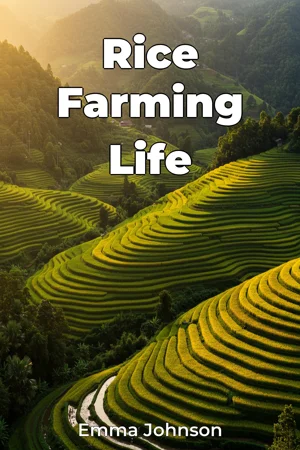
Can a single grain define the destiny of families and shape the cultural landscape of an entire continent? This book, "Rice Farming Life," delves into the intricate world of traditional rice cultivation in Asia, exploring its profound role in family sustenance, community structure, and cultural identity across generations. We embark on a journey that examines not only the agricultural techniques themselves, but also the social and economic systems intricately woven around rice farming. The book addresses the historical context of rice cultivation, tracing its evolution from ancient practices to the present day, while emphasizing its social significance as the cornerstone of family life. Understanding the traditional methods and their impact on Asian societies is crucial for appreciating the complexities of food security, rural economies, and cultural heritage in this region. The central argument of "Rice Farming Life" is that traditional rice cultivation represents far more than a mere agricultural practice; it is a holistic way of life that has shaped the values, customs, and social structures of countless Asian families. Recognizing this profound connection is essential for informed policy-making regarding sustainable agriculture, rural development, and the preservation of cultural heritage in a rapidly changing world. The book is structured to provide a comprehensive understanding of this intricate relationship. Initially, we introduce the fundamental concepts of traditional rice farming, including land preparation, irrigation techniques, seed selection, and harvesting methods. The subsequent sections offer an in-depth exploration of the critical components of rice farming life: firstly, the family unit, and how rice cultivation directly impacts family dynamics, labor allocation, and intergenerational knowledge transfer. Secondly, a discussion of the community networks that support rice farmers, including cooperative labor arrangements, water management systems, and shared resources. Thirdly, the cultural rituals and traditions linked to the rice cycle, from planting ceremonies to harvest festivals, emphasizing their function in maintaining social cohesion and reinforcing cultural values. This analysis emphasizes the essential role of women in rice cultivation. The culmination of these explorations reveals the challenges faced by traditional rice farming communities in the face of modernization, climate change, and global market pressures, setting the stage for potential solutions and strategies for sustainable development. The book draws upon a variety of sources, including historical records, ethnographic studies, agricultural surveys, and oral histories collected from rice-farming communities across Asia. The research synthesizes quantitative data on crop yields, land use, and economic indicators with qualitative insights into the lived experiences of rice farmers. "Rice Farming Life" also connects to other fields of study, such as anthropology, sociology, and environmental science. It intersects with anthropology by exploring the cultural significance of rice and its rituals. It relates to sociology through its examination of social structures within rice-farming communities and their response to economic transformation. Environmental science informs the discussion about the ecological impact of different rice farming techniques and the challenges of sustainable agriculture. By incorporating these diverse perspectives, the book offers a richer and more nuanced understanding of rice farming life. Our approach emphasizes a balanced and objective presentation of information. The writing style is accessible to a broad audience, while maintaining academic rigor through thorough research and careful analysis. This book is aimed at students and researchers in Asian studies, agricultural history, sociology, and anthropology, as well as policymakers and development practitioners working in rural Asia. It will be valuable to anyone interested in understanding the complex interplay between agriculture, culture, and society in the context of food security and sustainable development. The scope of the book is primarily focused on traditional rice farming practices in Asia. While it acknowledges the impact of modern agricultural technologies, its emphasis remains on understanding the historical and cultural significance of traditional methods. The information presented can be applied to inform policies related to sustainable agriculture, rural development, and the preservation of cultural heritage in rice-farming regions. It provides valuable insights for development initiatives aimed at supporting smallholder farmers and promoting food security. The book also addresses debates surrounding the modernization of agriculture and its impact on traditional farming practices. It explores the trade-offs between increased productivity and the loss of cultural heritage, offering a nuanced perspective on these complex issues.
Can a single grain define the destiny of families and shape the cultural landscape of an entire continent? This book, "Rice Farming Life," delves into the intricate world of traditional rice cultivation in Asia, exploring its profound role in family sustenance, community structure, and cultural identity across generations. We embark on a journey that examines not only the agricultural techniques themselves, but also the social and economic systems intricately woven around rice farming. The book addresses the historical context of rice cultivation, tracing its evolution from ancient practices to the present day, while emphasizing its social significance as the cornerstone of family life. Understanding the traditional methods and their impact on Asian societies is crucial for appreciating the complexities of food security, rural economies, and cultural heritage in this region. The central argument of "Rice Farming Life" is that traditional rice cultivation represents far more than a mere agricultural practice; it is a holistic way of life that has shaped the values, customs, and social structures of countless Asian families. Recognizing this profound connection is essential for informed policy-making regarding sustainable agriculture, rural development, and the preservation of cultural heritage in a rapidly changing world. The book is structured to provide a comprehensive understanding of this intricate relationship. Initially, we introduce the fundamental concepts of traditional rice farming, including land preparation, irrigation techniques, seed selection, and harvesting methods. The subsequent sections offer an in-depth exploration of the critical components of rice farming life: firstly, the family unit, and how rice cultivation directly impacts family dynamics, labor allocation, and intergenerational knowledge transfer. Secondly, a discussion of the community networks that support rice farmers, including cooperative labor arrangements, water management systems, and shared resources. Thirdly, the cultural rituals and traditions linked to the rice cycle, from planting ceremonies to harvest festivals, emphasizing their function in maintaining social cohesion and reinforcing cultural values. This analysis emphasizes the essential role of women in rice cultivation. The culmination of these explorations reveals the challenges faced by traditional rice farming communities in the face of modernization, climate change, and global market pressures, setting the stage for potential solutions and strategies for sustainable development. The book draws upon a variety of sources, including historical records, ethnographic studies, agricultural surveys, and oral histories collected from rice-farming communities across Asia. The research synthesizes quantitative data on crop yields, land use, and economic indicators with qualitative insights into the lived experiences of rice farmers. "Rice Farming Life" also connects to other fields of study, such as anthropology, sociology, and environmental science. It intersects with anthropology by exploring the cultural significance of rice and its rituals. It relates to sociology through its examination of social structures within rice-farming communities and their response to economic transformation. Environmental science informs the discussion about the ecological impact of different rice farming techniques and the challenges of sustainable agriculture. By incorporating these diverse perspectives, the book offers a richer and more nuanced understanding of rice farming life. Our approach emphasizes a balanced and objective presentation of information. The writing style is accessible to a broad audience, while maintaining academic rigor through thorough research and careful analysis. This book is aimed at students and researchers in Asian studies, agricultural history, sociology, and anthropology, as well as policymakers and development practitioners working in rural Asia. It will be valuable to anyone interested in understanding the complex interplay between agriculture, culture, and society in the context of food security and sustainable development. The scope of the book is primarily focused on traditional rice farming practices in Asia. While it acknowledges the impact of modern agricultural technologies, its emphasis remains on understanding the historical and cultural significance of traditional methods. The information presented can be applied to inform policies related to sustainable agriculture, rural development, and the preservation of cultural heritage in rice-farming regions. It provides valuable insights for development initiatives aimed at supporting smallholder farmers and promoting food security. The book also addresses debates surrounding the modernization of agriculture and its impact on traditional farming practices. It explores the trade-offs between increased productivity and the loss of cultural heritage, offering a nuanced perspective on these complex issues.
"Rice Farming Life" explores the profound connection between traditional rice cultivation and the cultural heritage of Asian societies. More than just an agricultural practice, rice farming has shaped family structures, social dynamics, and community values for generations. The book reveals how deeply ingrained rice farming is in the social fabric, highlighting, for example, the critical role of women in cultivation and the cooperative labor arrangements that bind communities together. It underscores the idea that understanding these traditional methods is crucial for addressing food security and preserving cultural identity in a rapidly changing world. The book progresses by first introducing fundamental rice farming techniques and then delving into the critical components of rice farming life: the family unit, community networks, and cultural rituals tied to the rice cycle. Drawing upon historical records, ethnographic studies, and oral histories, "Rice Farming Life" offers a balanced perspective on the challenges facing traditional rice farming communities, such as climate change and global market pressures. By connecting to fields like anthropology and sociology, the book provides a rich, nuanced understanding of Asian agriculture and its enduring impact on rural economies.
Book Details
ISBN
9788235205025
Publisher
Publifye AS
Your Licenses
You don't own any licenses for this book
Purchase a license below to unlock this book and download the EPUB.
Purchase License
Select a tier to unlock this book
Need bulk licensing?
Contact us for enterprise agreements.