
About This Book
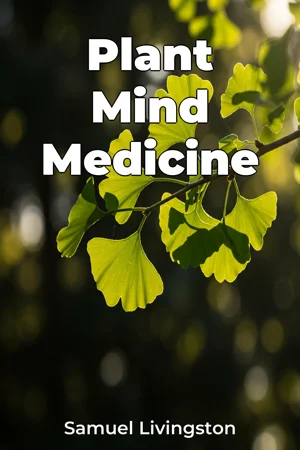
Can botanical treatments unlock new frontiers in cognitive health? "Plant Mind Medicine" delves into the scientific exploration of plant-derived compounds and their potential to address cognitive decline and enhance cognitive function, offering a comprehensive overview of evidence-based botanical interventions in the realm of neuroscience. This book examines the intricate relationship between plant phytochemistry and cognitive processes, covering topics such as the neuroprotective effects of specific plant extracts and the application of botanicals in improving memory, focus, and overall brain health. These topics are vitally important given the increasing prevalence of age-related cognitive disorders and the growing interest in natural, holistic approaches to wellness. This exploration occurs against a backdrop of increasing scientific understanding of neurodegenerative diseases, alongside a resurgence of interest in traditional medicine systems. While modern medicine offers various pharmacological interventions, many individuals seek complementary or alternative approaches with fewer side effects and a more natural origin. Readers will benefit from a foundational understanding of basic neurobiology and an interest in plant-based medicine, though the book is structured to be accessible to both healthcare professionals and informed laypersons. The central argument presented in "Plant Mind Medicine" is that specific botanical compounds, when administered appropriately, can significantly influence cognitive function and offer neuroprotective benefits. This argument is crucial because it challenges conventional approaches to cognitive health by highlighting the untapped potential of plant-based therapies and advocating for rigorous scientific investigation into their efficacy and safety. The book is structured to first introduce the fundamental concepts of cognitive neuroscience and the mechanisms of cognitive decline. It then transitions to an in-depth analysis of several key botanical treatments, with dedicated chapters focusing on specific plant species and their active compounds. These sections detail the pharmacological properties, mechanisms of action, and clinical evidence supporting their use. The culmination of the book addresses practical applications, discussing dosage guidelines, potential interactions, and future directions for research, advocating for further clinical trials and personalized approaches to botanical medicine. The evidence presented throughout "Plant Mind Medicine" relies on a combination of preclinical studies (in vitro and in vivo models) and clinical trials. It emphasizes rigorous scientific methodology, including randomized controlled trials, meta-analyses, and systematic reviews. The book also draws upon ethnobotanical data, linking traditional uses of medicinal plants with contemporary scientific findings. This work connects to several interdisciplinary fields, including pharmacology, neuroscience, and ethnobotany. The integration of pharmacological data with neuroscientific understanding allows for a deeper comprehension of how botanicals interact with the brain. Further, the inclusion of ethnobotanical knowledge provides historical context and highlights traditional uses of these plants, offering valuable insights for modern applications. A unique aspect of "Plant Mind Medicine" is its emphasis on personalized botanical medicine. Rather than advocating for a one-size-fits-all approach, the book stresses the importance of individual variability in response to botanical treatments, considering factors such as genetics, lifestyle, and pre-existing health conditions. The tone of "Plant Mind Medicine" is both informative and balanced. While presenting a compelling case for the potential of botanical treatments, it also acknowledges the limitations of current research and stresses the need for further investigation. The writing style is accessible and engaging, making complex scientific concepts understandable to a broad audience. The target audience includes healthcare professionals (physicians, nurses, pharmacists), researchers in neuroscience and pharmacology, and individuals interested in natural approaches to cognitive health. This book is valuable to them because it provides a comprehensive, evidence-based resource on botanical treatments for cognitive enhancement and decline. As a work of medical non-fiction, "Plant Mind Medicine" adheres to principles of accuracy, objectivity, and transparency. It provides clear citations for all sources and acknowledges any potential conflicts of interest. The scope of the book is intentionally broad, covering a wide range of botanical treatments, but it also acknowledges its limitations. It does not provide specific medical advice and emphasizes the importance of consulting with qualified healthcare professionals before using any botanical treatments. Readers can apply the information presented in "Plant Mind Medicine" to make informed decisions about their cognitive health and to have productive conversations with their healthcare providers about potential botanical interventions. The book also provides a valuable resource for researchers interested in exploring the potential of plant-based medicine. The field of botanical medicine is not without its controversies. "Plant Mind Medicine" addresses ongoing debates about the efficacy and safety of specific botanical treatments, acknowledging conflicting evidence and emphasizing the need for rigorous scientific investigation. It also touches upon issues related to the regulation and standardization of botanical products, advocating for greater quality control and transparency.
Can botanical treatments unlock new frontiers in cognitive health? "Plant Mind Medicine" delves into the scientific exploration of plant-derived compounds and their potential to address cognitive decline and enhance cognitive function, offering a comprehensive overview of evidence-based botanical interventions in the realm of neuroscience. This book examines the intricate relationship between plant phytochemistry and cognitive processes, covering topics such as the neuroprotective effects of specific plant extracts and the application of botanicals in improving memory, focus, and overall brain health. These topics are vitally important given the increasing prevalence of age-related cognitive disorders and the growing interest in natural, holistic approaches to wellness. This exploration occurs against a backdrop of increasing scientific understanding of neurodegenerative diseases, alongside a resurgence of interest in traditional medicine systems. While modern medicine offers various pharmacological interventions, many individuals seek complementary or alternative approaches with fewer side effects and a more natural origin. Readers will benefit from a foundational understanding of basic neurobiology and an interest in plant-based medicine, though the book is structured to be accessible to both healthcare professionals and informed laypersons. The central argument presented in "Plant Mind Medicine" is that specific botanical compounds, when administered appropriately, can significantly influence cognitive function and offer neuroprotective benefits. This argument is crucial because it challenges conventional approaches to cognitive health by highlighting the untapped potential of plant-based therapies and advocating for rigorous scientific investigation into their efficacy and safety. The book is structured to first introduce the fundamental concepts of cognitive neuroscience and the mechanisms of cognitive decline. It then transitions to an in-depth analysis of several key botanical treatments, with dedicated chapters focusing on specific plant species and their active compounds. These sections detail the pharmacological properties, mechanisms of action, and clinical evidence supporting their use. The culmination of the book addresses practical applications, discussing dosage guidelines, potential interactions, and future directions for research, advocating for further clinical trials and personalized approaches to botanical medicine. The evidence presented throughout "Plant Mind Medicine" relies on a combination of preclinical studies (in vitro and in vivo models) and clinical trials. It emphasizes rigorous scientific methodology, including randomized controlled trials, meta-analyses, and systematic reviews. The book also draws upon ethnobotanical data, linking traditional uses of medicinal plants with contemporary scientific findings. This work connects to several interdisciplinary fields, including pharmacology, neuroscience, and ethnobotany. The integration of pharmacological data with neuroscientific understanding allows for a deeper comprehension of how botanicals interact with the brain. Further, the inclusion of ethnobotanical knowledge provides historical context and highlights traditional uses of these plants, offering valuable insights for modern applications. A unique aspect of "Plant Mind Medicine" is its emphasis on personalized botanical medicine. Rather than advocating for a one-size-fits-all approach, the book stresses the importance of individual variability in response to botanical treatments, considering factors such as genetics, lifestyle, and pre-existing health conditions. The tone of "Plant Mind Medicine" is both informative and balanced. While presenting a compelling case for the potential of botanical treatments, it also acknowledges the limitations of current research and stresses the need for further investigation. The writing style is accessible and engaging, making complex scientific concepts understandable to a broad audience. The target audience includes healthcare professionals (physicians, nurses, pharmacists), researchers in neuroscience and pharmacology, and individuals interested in natural approaches to cognitive health. This book is valuable to them because it provides a comprehensive, evidence-based resource on botanical treatments for cognitive enhancement and decline. As a work of medical non-fiction, "Plant Mind Medicine" adheres to principles of accuracy, objectivity, and transparency. It provides clear citations for all sources and acknowledges any potential conflicts of interest. The scope of the book is intentionally broad, covering a wide range of botanical treatments, but it also acknowledges its limitations. It does not provide specific medical advice and emphasizes the importance of consulting with qualified healthcare professionals before using any botanical treatments. Readers can apply the information presented in "Plant Mind Medicine" to make informed decisions about their cognitive health and to have productive conversations with their healthcare providers about potential botanical interventions. The book also provides a valuable resource for researchers interested in exploring the potential of plant-based medicine. The field of botanical medicine is not without its controversies. "Plant Mind Medicine" addresses ongoing debates about the efficacy and safety of specific botanical treatments, acknowledging conflicting evidence and emphasizing the need for rigorous scientific investigation. It also touches upon issues related to the regulation and standardization of botanical products, advocating for greater quality control and transparency.
"Plant Mind Medicine" explores the exciting potential of botanical treatments for enhancing cognitive function and combating cognitive decline. It delves into how plant phytochemistry interacts with the brain, impacting memory, focus, and overall brain health. As interest grows in natural approaches, the book examines the neuroprotective effects of various plant extracts and their applications in addressing neurodegenerative diseases. The book first lays the groundwork by explaining cognitive neuroscience and the mechanisms behind cognitive decline. It then progresses to detailed analyses of key botanical treatments, dedicating chapters to specific plant species and their active compounds. This includes their pharmacological properties, how they work, and the clinical evidence supporting their use. "Plant Mind Medicine" uniquely emphasizes personalized botanical medicine, highlighting the importance of considering individual differences when applying plant-based therapies. The information is presented through a combination of preclinical studies, clinical trials, and ethnobotanical data, connecting traditional uses with modern science. The book advocates for further research and clinical trials to fully unlock the potential of plant-based therapies while also acknowledging current limitations and the need for rigorous scientific investigation.
Book Details
ISBN
9788235204929
Publisher
Publifye AS
Your Licenses
You don't own any licenses for this book
Purchase a license below to unlock this book and download the EPUB.
Purchase License
Select a tier to unlock this book
Need bulk licensing?
Contact us for enterprise agreements.