
About This Book
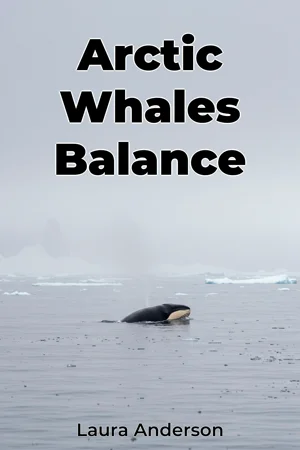
Can a centuries-old tradition adapt to the pressures of modern conservation and legal frameworks? "Arctic Whales Balance" explores the complexities of Chukchi whaling in the context of contemporary laws, international agreements, and the delicate balance of the Arctic ecosystem. This book delves into the intersection of nature and politics, examining how indigenous rights, conservation efforts, and scientific research collide in the challenging environment of the Arctic. The book addresses three critical areas: the historical and cultural significance of whaling for the Chukchi people, the legal and political frameworks governing whaling practices, and the scientific data on whale populations and their ecosystems. These topics are vital because they represent interconnected aspects of a complex issue. Ignoring any one risks undermining sustainable practices and cultural preservation. Understanding this intricate relationship informs responsible decision-making and promotes equitable solutions. Historically, whaling has been central to the survival and cultural identity of the Chukchi people, providing sustenance, materials, and spiritual connection to the Arctic environment. However, with the advent of international whaling regulations and conservation concerns, traditional practices have come under increased scrutiny. The reader needs to understand the nuances of indigenous subsistence rights, quotas established by the International Whaling Commission (IWC), and the Marine Mammal Protection Act (MMPA) in the United States. The central argument of "Arctic Whales Balance" posits that a balanced approach, integrating indigenous knowledge, scientific research, and adaptive management strategies, is crucial for successful co-management to sustain both Chukchi whaling traditions, and the preservation of healthy whale populations. This argument is critical because it challenges often polarized views on whaling, advocating for collaborative solutions that respect cultural heritage while adhering to conservation principles. The book begins by introducing the cultural heritage of the Chukchi people and the historical context of their whaling practices, before moving into an analysis of international and domestic laws that govern whaling, including the IWC regulations, the MMPA, and relevant international treaties. The core of the book then explores the scientific research on Arctic whale populations, migration patterns, and the impact of climate change on their habitats. It will include case studies of co-management initiatives, evaluating their effectiveness and highlighting lessons learned. The final chapters synthesize these elements, recommending strategies for future management, emphasizing the importance of integrating local ecological knowledge (LEK) with scientific data, and offering a path forward for balancing cultural preservation with environmental stewardship. The book relies on an array of evidence, including ethnographic studies of Chukchi whaling communities, legal analyses of relevant regulations and court cases, and scientific data from whale population surveys, genetic studies, and ecological monitoring programs. Unique data sources include interviews with Chukchi whalers and community leaders, records from IWC meetings, and unpublished reports from scientific expeditions in the Arctic. "Arctic Whales Balance" connects to several other fields including anthropology, marine biology, environmental law, and political science. Anthropological insights contextualize the cultural significance of whaling, marine biology provides critical information about whale populations, environmental law explains the legal frameworks in place, and political science helps understand the power dynamics involved in international conservation efforts. These connections create a richer, more nuanced understanding of the issue. This book offers a novel perspective by emphasizing the importance of co-management and the integration of indigenous knowledge with scientific data. It moves beyond the conflict-driven narratives often associated with whaling, proposing a collaborative approach that respects both cultural heritage and conservation goals. The tone is professional and informative, while remaining accessible to a broad audience. It aims to present complex information in a clear and engaging manner, avoiding jargon and providing context where necessary. The intended audience includes students and academics in environmental studies, anthropology, and law, as well as policymakers, conservation professionals, and anyone interested in the intersection of indigenous rights and environmental conservation. This book is valuable to them because it provides a comprehensive overview of a complex issue, offering insights and recommendations for more effective and equitable management strategies. As a non-fiction work in the genres of Nature and Politics, the book maintains a commitment to factual accuracy, objective analysis, and a balanced presentation of different perspectives. It acknowledges uncertainties and limitations in the available information, ensuring transparency and intellectual rigor. The scope of the book is limited to Chukchi whaling practices in the Arctic, focusing primarily on bowhead whales. While it acknowledges the broader context of whaling globally, its primary focus is on this specific region and cultural context. The information in the book can be applied practically by policymakers seeking to develop more effective and equitable whaling regulations, by conservation organizations working to protect whale populations, and by indigenous communities striving to preserve their cultural heritage. "Arctic Whales Balance" addresses ongoing debates about the ethics of whaling, the role of indigenous rights in conservation, and the effectiveness of different management strategies. It aims to contribute to a more informed and nuanced discussion of these issues, promoting understanding and collaboration.
Can a centuries-old tradition adapt to the pressures of modern conservation and legal frameworks? "Arctic Whales Balance" explores the complexities of Chukchi whaling in the context of contemporary laws, international agreements, and the delicate balance of the Arctic ecosystem. This book delves into the intersection of nature and politics, examining how indigenous rights, conservation efforts, and scientific research collide in the challenging environment of the Arctic. The book addresses three critical areas: the historical and cultural significance of whaling for the Chukchi people, the legal and political frameworks governing whaling practices, and the scientific data on whale populations and their ecosystems. These topics are vital because they represent interconnected aspects of a complex issue. Ignoring any one risks undermining sustainable practices and cultural preservation. Understanding this intricate relationship informs responsible decision-making and promotes equitable solutions. Historically, whaling has been central to the survival and cultural identity of the Chukchi people, providing sustenance, materials, and spiritual connection to the Arctic environment. However, with the advent of international whaling regulations and conservation concerns, traditional practices have come under increased scrutiny. The reader needs to understand the nuances of indigenous subsistence rights, quotas established by the International Whaling Commission (IWC), and the Marine Mammal Protection Act (MMPA) in the United States. The central argument of "Arctic Whales Balance" posits that a balanced approach, integrating indigenous knowledge, scientific research, and adaptive management strategies, is crucial for successful co-management to sustain both Chukchi whaling traditions, and the preservation of healthy whale populations. This argument is critical because it challenges often polarized views on whaling, advocating for collaborative solutions that respect cultural heritage while adhering to conservation principles. The book begins by introducing the cultural heritage of the Chukchi people and the historical context of their whaling practices, before moving into an analysis of international and domestic laws that govern whaling, including the IWC regulations, the MMPA, and relevant international treaties. The core of the book then explores the scientific research on Arctic whale populations, migration patterns, and the impact of climate change on their habitats. It will include case studies of co-management initiatives, evaluating their effectiveness and highlighting lessons learned. The final chapters synthesize these elements, recommending strategies for future management, emphasizing the importance of integrating local ecological knowledge (LEK) with scientific data, and offering a path forward for balancing cultural preservation with environmental stewardship. The book relies on an array of evidence, including ethnographic studies of Chukchi whaling communities, legal analyses of relevant regulations and court cases, and scientific data from whale population surveys, genetic studies, and ecological monitoring programs. Unique data sources include interviews with Chukchi whalers and community leaders, records from IWC meetings, and unpublished reports from scientific expeditions in the Arctic. "Arctic Whales Balance" connects to several other fields including anthropology, marine biology, environmental law, and political science. Anthropological insights contextualize the cultural significance of whaling, marine biology provides critical information about whale populations, environmental law explains the legal frameworks in place, and political science helps understand the power dynamics involved in international conservation efforts. These connections create a richer, more nuanced understanding of the issue. This book offers a novel perspective by emphasizing the importance of co-management and the integration of indigenous knowledge with scientific data. It moves beyond the conflict-driven narratives often associated with whaling, proposing a collaborative approach that respects both cultural heritage and conservation goals. The tone is professional and informative, while remaining accessible to a broad audience. It aims to present complex information in a clear and engaging manner, avoiding jargon and providing context where necessary. The intended audience includes students and academics in environmental studies, anthropology, and law, as well as policymakers, conservation professionals, and anyone interested in the intersection of indigenous rights and environmental conservation. This book is valuable to them because it provides a comprehensive overview of a complex issue, offering insights and recommendations for more effective and equitable management strategies. As a non-fiction work in the genres of Nature and Politics, the book maintains a commitment to factual accuracy, objective analysis, and a balanced presentation of different perspectives. It acknowledges uncertainties and limitations in the available information, ensuring transparency and intellectual rigor. The scope of the book is limited to Chukchi whaling practices in the Arctic, focusing primarily on bowhead whales. While it acknowledges the broader context of whaling globally, its primary focus is on this specific region and cultural context. The information in the book can be applied practically by policymakers seeking to develop more effective and equitable whaling regulations, by conservation organizations working to protect whale populations, and by indigenous communities striving to preserve their cultural heritage. "Arctic Whales Balance" addresses ongoing debates about the ethics of whaling, the role of indigenous rights in conservation, and the effectiveness of different management strategies. It aims to contribute to a more informed and nuanced discussion of these issues, promoting understanding and collaboration.
"Arctic Whales Balance" explores the intricate relationship between Chukchi whaling, indigenous rights, and Arctic conservation. It examines how centuries-old cultural traditions intersect with modern environmental law and political science, particularly in the context of the Arctic ecosystem. The book highlights the critical role of whaling in the cultural heritage of the Chukchi people, while also addressing the legal and political frameworks, such as the International Whaling Commission and the Marine Mammal Protection Act, that govern these practices. One intriguing fact is how deeply embedded whaling is in the Chukchi's spiritual connection to their environment, providing not just sustenance but also cultural identity. The book uniquely advocates for a balanced approach, integrating indigenous knowledge with scientific data for effective co-management. It argues that this collaborative method is essential for sustaining both the Chukchi's whaling traditions and preserving healthy whale populations. The approach involves ethnographic studies, legal analyses, and scientific data to present a comprehensive view. Beginning with the historical context and moving through legal frameworks and scientific research, the book culminates in strategies for future management, underlining the importance of local ecological knowledge. This offers a fresh perspective on resolving conflicts between conservation and cultural preservation.
Book Details
ISBN
9788235204868
Publisher
Publifye AS
Your Licenses
You don't own any licenses for this book
Purchase a license below to unlock this book and download the EPUB.
Purchase License
Select a tier to unlock this book
Need bulk licensing?
Contact us for enterprise agreements.