
About This Book
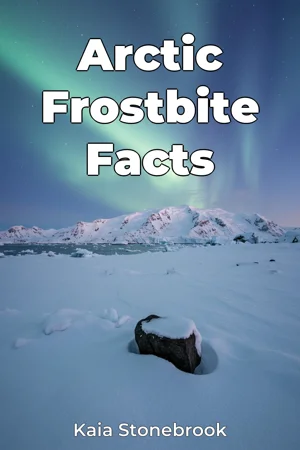
Could you survive the unforgiving grip of Arctic frostbite? "Arctic Frostbite Facts" plunges into the perilous realities of cold injuries and the monumental survival challenges faced by those who dare to venture into the polar regions. This book dissects the science of cold-related trauma, the history of polar exploration, and the adaptive strategies employed by humans to endure extreme environments. Understanding these elements is crucial, not only for adventurers and scientists but also for anyone interested in human resilience and the power of environmental factors on the body. Our central argument revolves around the idea that comprehensive knowledge of frostbite—its mechanisms, prevention, and treatment—is paramount for survival in polar expeditions. We posit that a multidisciplinary approach, blending physiological understanding with historical awareness and practical survival skills, is the key difference between triumph and tragedy in the Arctic and Antarctic. The book opens with a detailed exploration of hypothermia and frostbite. It explains how the body responds to extreme cold, the stages of frostbite development, and the cellular damage that occurs. We then transition into a historical overview of polar exploration, highlighting the harrowing experiences of early explorers and the lessons learned from their successes and failures. This history provides vital context, illustrating the consequences of inadequate preparation and the evolution of survival strategies. The core of the book is dedicated to prevention, diagnosis, and treatment. We examine clothing technologies, shelter construction, nutrition, and hydration strategies vital for mitigating cold injuries. Diagnostic techniques are discussed in detail, along with current medical protocols for treating frostbite in remote environments, emphasizing field-expedient methods and the importance of rapid intervention. The culmination focuses on future directions, including advanced research in cryobiology, genetic adaptations to cold, and the ethical considerations of polar exploration. Finally, in the appendices, we have included real-world case studies of polar expeditions and the impact of frostbite during these events. To support our arguments, we draw upon a wide range of evidence, including medical research papers, expedition logs, physiological studies, and interviews with polar explorers and medical professionals. Unique data sources include previously unpublished accounts from Arctic expeditions and cutting-edge research on cold acclimatization. This book also exists at the intersection of several disciplines. It combines medicine (understanding the physiological effects of cold), history (examining past expeditions and their outcomes), engineering (evaluating the effectiveness of cold-weather gear), survival skills (practical strategies for mitigating risk), and environmental science (understanding polar climate patterns and their impact on human health). "Arctic Frostbite Facts" distinguishes itself through its integrated approach, combining scientific rigor with practical advice and historical context. Rather than focusing solely on medical details, we provide a holistic view of survival in the polar regions. The book is written in an accessible yet informative style, catering to a diverse audience, including medical professionals, adventure enthusiasts, history buffs, and students interested in polar science. We aim to meet the expectations of the science and adventure genres by delivering both factual accuracy and engaging real-world narratives. While we comprehensively cover frostbite and hypothermia, the book does not delve deeply into other survival challenges, such as wildlife encounters or navigation. Our intentional limitation focuses our attention on the physiological and medical aspects of cold injuries. The knowledge provided can be directly applied by those planning or participating in polar expeditions, offering practical guidance on prevention, diagnosis, and treatment. Additionally, the insights into human adaptation to extreme environments can inform medical research and public health strategies related to cold-weather preparedness. While there are ongoing debates surrounding the ethics of extreme exploration, our book focuses primarily on the scientific and medical aspects of cold injuries.
Could you survive the unforgiving grip of Arctic frostbite? "Arctic Frostbite Facts" plunges into the perilous realities of cold injuries and the monumental survival challenges faced by those who dare to venture into the polar regions. This book dissects the science of cold-related trauma, the history of polar exploration, and the adaptive strategies employed by humans to endure extreme environments. Understanding these elements is crucial, not only for adventurers and scientists but also for anyone interested in human resilience and the power of environmental factors on the body. Our central argument revolves around the idea that comprehensive knowledge of frostbite—its mechanisms, prevention, and treatment—is paramount for survival in polar expeditions. We posit that a multidisciplinary approach, blending physiological understanding with historical awareness and practical survival skills, is the key difference between triumph and tragedy in the Arctic and Antarctic. The book opens with a detailed exploration of hypothermia and frostbite. It explains how the body responds to extreme cold, the stages of frostbite development, and the cellular damage that occurs. We then transition into a historical overview of polar exploration, highlighting the harrowing experiences of early explorers and the lessons learned from their successes and failures. This history provides vital context, illustrating the consequences of inadequate preparation and the evolution of survival strategies. The core of the book is dedicated to prevention, diagnosis, and treatment. We examine clothing technologies, shelter construction, nutrition, and hydration strategies vital for mitigating cold injuries. Diagnostic techniques are discussed in detail, along with current medical protocols for treating frostbite in remote environments, emphasizing field-expedient methods and the importance of rapid intervention. The culmination focuses on future directions, including advanced research in cryobiology, genetic adaptations to cold, and the ethical considerations of polar exploration. Finally, in the appendices, we have included real-world case studies of polar expeditions and the impact of frostbite during these events. To support our arguments, we draw upon a wide range of evidence, including medical research papers, expedition logs, physiological studies, and interviews with polar explorers and medical professionals. Unique data sources include previously unpublished accounts from Arctic expeditions and cutting-edge research on cold acclimatization. This book also exists at the intersection of several disciplines. It combines medicine (understanding the physiological effects of cold), history (examining past expeditions and their outcomes), engineering (evaluating the effectiveness of cold-weather gear), survival skills (practical strategies for mitigating risk), and environmental science (understanding polar climate patterns and their impact on human health). "Arctic Frostbite Facts" distinguishes itself through its integrated approach, combining scientific rigor with practical advice and historical context. Rather than focusing solely on medical details, we provide a holistic view of survival in the polar regions. The book is written in an accessible yet informative style, catering to a diverse audience, including medical professionals, adventure enthusiasts, history buffs, and students interested in polar science. We aim to meet the expectations of the science and adventure genres by delivering both factual accuracy and engaging real-world narratives. While we comprehensively cover frostbite and hypothermia, the book does not delve deeply into other survival challenges, such as wildlife encounters or navigation. Our intentional limitation focuses our attention on the physiological and medical aspects of cold injuries. The knowledge provided can be directly applied by those planning or participating in polar expeditions, offering practical guidance on prevention, diagnosis, and treatment. Additionally, the insights into human adaptation to extreme environments can inform medical research and public health strategies related to cold-weather preparedness. While there are ongoing debates surrounding the ethics of extreme exploration, our book focuses primarily on the scientific and medical aspects of cold injuries.
"Arctic Frostbite Facts" explores the science, history, and survival strategies related to cold injuries in polar regions. It emphasizes that understanding frostbite—its causes, prevention, and treatment—is essential for anyone venturing into extreme environments. The book highlights the body's responses to extreme cold, detailing the stages of frostbite and cellular damage. It also underscores the importance of blending physiological knowledge with practical survival skills, drawing lessons from harrowing experiences of early polar expeditions, where inadequate preparation often led to tragedy. This book uniquely combines scientific rigor with historical context and practical advice. It examines vital preventive measures, such as clothing technologies and shelter construction, alongside diagnostic techniques and current medical protocols for remote treatment. "Arctic Frostbite Facts" progresses from explaining hypothermia and frostbite mechanisms to a historical overview of polar exploration, and then focuses on prevention, diagnosis, and treatment, culminating in future research directions like cryobiology and genetic adaptations to cold. The book adopts a multidisciplinary approach, integrating insights from medicine, history, engineering, survival skills, and environmental science. Appendices include real-world case studies, illustrating the impact of frostbite on polar expeditions. By providing a holistic view, the book serves as a practical guide for those involved in polar expeditions and informs medical research on cold-weather preparedness.
Book Details
ISBN
9788235204608
Publisher
Publifye AS
Your Licenses
You don't own any licenses for this book
Purchase a license below to unlock this book and download the EPUB.
Purchase License
Select a tier to unlock this book
Need bulk licensing?
Contact us for enterprise agreements.