
About This Book
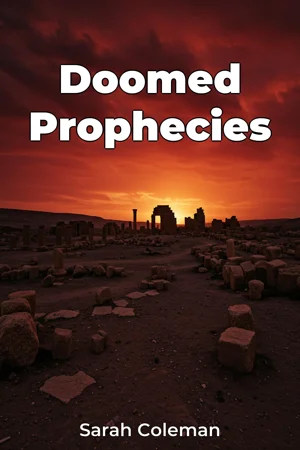
What if everything we know is about to end? "Doomed Prophecies" explores the pervasive human fascination with the apocalypse by analyzing predictions found within biblical studies, prophecy, and broader religious contexts. This book delves into doomsday beliefs and religious texts that address the end of time, offering readers a comprehensive understanding of how these prophecies have shaped cultures, inspired movements, and fueled anxieties throughout history. Understanding apocalyptic predictions is crucial because these beliefs often drive social and political actions. Religions and cultures use these prophecies to interpret current events and influence behavior. It's essential to examine these complex ideas critically. This book provides historical context by tracing the evolution of apocalyptic thought from ancient Zoroastrianism to contemporary interpretations of biblical texts like Revelation. It examines the social conditions that give rise to these beliefs, such as times of political upheaval, natural disasters, and perceived moral decline. The central argument of "Doomed Prophecies" is that apocalyptic thought reflects humanity’s deepest fears and hopes. Prophecies of the end are not merely predictions of destruction, but narratives through which societies grapple with issues of justice, morality, and the ultimate meaning of existence. This book's structure unfolds as follows: First, it introduces fundamental concepts of apocalyptic literature and theology. Next, it develops its argument through three major sections: an analysis of Old Testament prophecies, a thorough examination of New Testament apocalyptic themes (particularly in the Book of Revelation), and a study of extra-biblical and secular end-times predictions. Finally, it culminates in a discussion of the applications and implications of these prophecies for contemporary society and thought. "Doomed Prophecies" relies on a diverse range of evidence, including close readings of biblical texts in their original languages, historical accounts of prophetic movements, and sociological studies of contemporary apocalyptic subcultures. Unique data sources include previously untranslated apocryphal texts and recently discovered archaeological findings that shed new light on ancient prophetic traditions. This book connects to other fields of study like history, sociology, and political science to provide a rounded exploration of apocalypticism. By examining the historical context, analyzing the social impact, and considering the political ramifications of apocalyptic beliefs, the book offers a rich and multi-faceted understanding of the topic. A unique aspect is the interdisciplinary approach, which combines theological analysis with social-scientific research to offer a broader understanding of doomsday prophecies. The book adopts an academic yet accessible tone, presenting complex ideas in a clear and engaging manner. It is targeted toward a broad audience, including students of religion, theology enthusiasts, and anyone interested in understanding the cultural impact of apocalyptic beliefs. "Doomed Prophecies" adheres to the conventions of academic non-fiction, including rigorous sourcing, clear argumentation, and balanced presentation of diverse viewpoints. While the book covers a wide range of apocalyptic traditions, it is intentionally limited in its scope to primarily Western religious and philosophical traditions, allowing for a more in-depth analysis. Readers will gain a deeper understanding of the origins and evolution of apocalyptic thought, enabling them to critically evaluate contemporary claims about the end of the world. The book addresses ongoing debates in the field, such as the interpretation of specific prophecies, and the relationship between apocalyptic belief and social action. It confronts the question of how we should interpret these prophecies, given the historical failures of past end-times predictions.
What if everything we know is about to end? "Doomed Prophecies" explores the pervasive human fascination with the apocalypse by analyzing predictions found within biblical studies, prophecy, and broader religious contexts. This book delves into doomsday beliefs and religious texts that address the end of time, offering readers a comprehensive understanding of how these prophecies have shaped cultures, inspired movements, and fueled anxieties throughout history. Understanding apocalyptic predictions is crucial because these beliefs often drive social and political actions. Religions and cultures use these prophecies to interpret current events and influence behavior. It's essential to examine these complex ideas critically. This book provides historical context by tracing the evolution of apocalyptic thought from ancient Zoroastrianism to contemporary interpretations of biblical texts like Revelation. It examines the social conditions that give rise to these beliefs, such as times of political upheaval, natural disasters, and perceived moral decline. The central argument of "Doomed Prophecies" is that apocalyptic thought reflects humanity’s deepest fears and hopes. Prophecies of the end are not merely predictions of destruction, but narratives through which societies grapple with issues of justice, morality, and the ultimate meaning of existence. This book's structure unfolds as follows: First, it introduces fundamental concepts of apocalyptic literature and theology. Next, it develops its argument through three major sections: an analysis of Old Testament prophecies, a thorough examination of New Testament apocalyptic themes (particularly in the Book of Revelation), and a study of extra-biblical and secular end-times predictions. Finally, it culminates in a discussion of the applications and implications of these prophecies for contemporary society and thought. "Doomed Prophecies" relies on a diverse range of evidence, including close readings of biblical texts in their original languages, historical accounts of prophetic movements, and sociological studies of contemporary apocalyptic subcultures. Unique data sources include previously untranslated apocryphal texts and recently discovered archaeological findings that shed new light on ancient prophetic traditions. This book connects to other fields of study like history, sociology, and political science to provide a rounded exploration of apocalypticism. By examining the historical context, analyzing the social impact, and considering the political ramifications of apocalyptic beliefs, the book offers a rich and multi-faceted understanding of the topic. A unique aspect is the interdisciplinary approach, which combines theological analysis with social-scientific research to offer a broader understanding of doomsday prophecies. The book adopts an academic yet accessible tone, presenting complex ideas in a clear and engaging manner. It is targeted toward a broad audience, including students of religion, theology enthusiasts, and anyone interested in understanding the cultural impact of apocalyptic beliefs. "Doomed Prophecies" adheres to the conventions of academic non-fiction, including rigorous sourcing, clear argumentation, and balanced presentation of diverse viewpoints. While the book covers a wide range of apocalyptic traditions, it is intentionally limited in its scope to primarily Western religious and philosophical traditions, allowing for a more in-depth analysis. Readers will gain a deeper understanding of the origins and evolution of apocalyptic thought, enabling them to critically evaluate contemporary claims about the end of the world. The book addresses ongoing debates in the field, such as the interpretation of specific prophecies, and the relationship between apocalyptic belief and social action. It confronts the question of how we should interpret these prophecies, given the historical failures of past end-times predictions.
"Doomed Prophecies" explores humanity's enduring fascination with the apocalypse, delving into biblical studies, prophecy, and religion to understand doomsday beliefs. By examining texts like Revelation, the book showcases how these prophecies have shaped cultures and sparked movements throughout history. Understanding apocalyptic predictions is vital, as these beliefs often influence social and political actions. For instance, some groups interpret current events through the lens of prophecy, influencing their behavior and decisions. The book argues that apocalyptic thought reflects our deepest fears and hopes, using narratives of the end to grapple with justice, morality, and the meaning of existence. It traces apocalyptic thought from ancient Zoroastrianism to modern interpretations of biblical texts. The book uniquely combines theological analysis with social-scientific research. Chapters introduce apocalyptic literature, analyze Old and New Testament prophecies, examine extra-biblical predictions, and discuss the implications of these prophecies for contemporary society.
Book Details
ISBN
9788235204530
Publisher
Publifye AS
Your Licenses
You don't own any licenses for this book
Purchase a license below to unlock this book and download the EPUB.
Purchase License
Select a tier to unlock this book
Need bulk licensing?
Contact us for enterprise agreements.