
About This Book
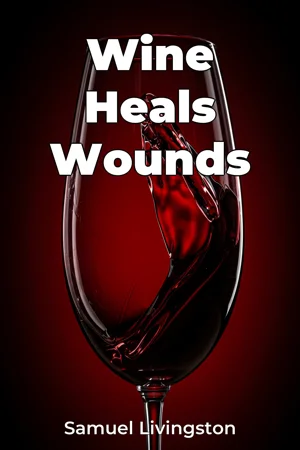
Can the ancient remedy of wine truly hold the key to modern wound care? "Wine Heals Wounds" delves into the surprising and potentially transformative role of wine, not as a beverage but as a medicinal agent, in treating injuries and promoting healing. This book explores the intersection of historical practices, scientific research, and practical applications concerning the antiseptic properties of wine and its potential benefits in wound management. The significance of this topic lies in the growing need for cost-effective and accessible wound care solutions, especially in resource-limited settings, coupled with a renewed interest in natural remedies supported by scientific validation. This exploration begins with the historical context of wine's use as a medicinal agent, tracing its application from ancient civilizations, where it served as a common antiseptic and therapeutic substance. Understanding these historical precedents provides a foundation for examining modern scientific investigations into wine's properties. The book then transitions to a detailed analysis of the biological and chemical components of wine that contribute to its antiseptic capabilities. Key elements such as resveratrol, tannins, and various organic acids are examined in light of their antimicrobial and anti-inflammatory effects. Readers are not expected to have advanced knowledge of chemistry or biology, as explanations are provided to make the science accessible. The central argument of "Wine Heals Wounds" hinges on the idea that specific types of wine, prepared and applied correctly, can offer a viable, affordable, and effective alternative or complement to conventional wound care treatments. This argument is crucial because it challenges preconceived notions about wine's solely recreational use and proposes a potentially revolutionary shift in how we approach wound management, particularly where access to advanced medical care is limited. The book is structured to methodically build the case for wine's antiseptic potential. It begins by introducing the historical use of wine in medicine and then transitions into detailing the specific compounds in wine responsible for its antiseptic properties. Subsequent chapters delve into laboratory studies and clinical trials that have investigated the efficacy of wine in treating various types of wounds, from minor cuts and abrasions to more serious infections. The culmination of the argument is a presentation of practical guidelines for preparing and applying wine-based treatments, emphasizing safety and proper usage. The book further covers potential risks, side effects, and interactions with other medications that are vital for responsible application. Evidence presented throughout the book draws from diverse sources, including historical texts, peer-reviewed scientific publications, and clinical case studies. A unique aspect of the research involves analyzing different wine varietals to determine which possess the most potent antiseptic properties and the factors that contribute to these variations. "Wine Heals Wounds" connects to several interdisciplinary fields, including microbiology, pharmacology, and history. This integration of knowledge provides a holistic understanding of wine's potential, bridging the gap between traditional practices and modern scientific rigor. The book stands out by offering a balanced perspective, acknowledging both the benefits and limitations of wine-based treatments, and emphasizing the importance of consulting healthcare professionals. The tone is informative and analytical, aiming to educate readers while maintaining a level of scientific accuracy. The writing style is accessible, avoiding jargon and technical terms when possible, ensuring that the information is understandable to a broad audience. The intended readership includes healthcare professionals seeking alternative treatment options, researchers interested in natural remedies, and individuals seeking affordable wound care solutions. This book would be valuable to readers interested in evidence-based natural medicine. In line with the genre of scientific non-fiction, "Wine Heals Wounds" provides comprehensive citations and adheres to principles of accuracy and objectivity. The scope of the book focuses primarily on the antiseptic and wound-healing properties of wine, with limited discussion of other potential health benefits. The information can be applied in various real-world scenarios, such as first aid in remote areas, treatment of minor wounds at home, and as a supplementary therapy in clinical settings, always under the guidance of healthcare professionals. The book addresses controversies surrounding the use of alcohol-based treatments, emphasizing the importance of responsible application and highlighting research that supports the specific use of wine in wound care.
Can the ancient remedy of wine truly hold the key to modern wound care? "Wine Heals Wounds" delves into the surprising and potentially transformative role of wine, not as a beverage but as a medicinal agent, in treating injuries and promoting healing. This book explores the intersection of historical practices, scientific research, and practical applications concerning the antiseptic properties of wine and its potential benefits in wound management. The significance of this topic lies in the growing need for cost-effective and accessible wound care solutions, especially in resource-limited settings, coupled with a renewed interest in natural remedies supported by scientific validation. This exploration begins with the historical context of wine's use as a medicinal agent, tracing its application from ancient civilizations, where it served as a common antiseptic and therapeutic substance. Understanding these historical precedents provides a foundation for examining modern scientific investigations into wine's properties. The book then transitions to a detailed analysis of the biological and chemical components of wine that contribute to its antiseptic capabilities. Key elements such as resveratrol, tannins, and various organic acids are examined in light of their antimicrobial and anti-inflammatory effects. Readers are not expected to have advanced knowledge of chemistry or biology, as explanations are provided to make the science accessible. The central argument of "Wine Heals Wounds" hinges on the idea that specific types of wine, prepared and applied correctly, can offer a viable, affordable, and effective alternative or complement to conventional wound care treatments. This argument is crucial because it challenges preconceived notions about wine's solely recreational use and proposes a potentially revolutionary shift in how we approach wound management, particularly where access to advanced medical care is limited. The book is structured to methodically build the case for wine's antiseptic potential. It begins by introducing the historical use of wine in medicine and then transitions into detailing the specific compounds in wine responsible for its antiseptic properties. Subsequent chapters delve into laboratory studies and clinical trials that have investigated the efficacy of wine in treating various types of wounds, from minor cuts and abrasions to more serious infections. The culmination of the argument is a presentation of practical guidelines for preparing and applying wine-based treatments, emphasizing safety and proper usage. The book further covers potential risks, side effects, and interactions with other medications that are vital for responsible application. Evidence presented throughout the book draws from diverse sources, including historical texts, peer-reviewed scientific publications, and clinical case studies. A unique aspect of the research involves analyzing different wine varietals to determine which possess the most potent antiseptic properties and the factors that contribute to these variations. "Wine Heals Wounds" connects to several interdisciplinary fields, including microbiology, pharmacology, and history. This integration of knowledge provides a holistic understanding of wine's potential, bridging the gap between traditional practices and modern scientific rigor. The book stands out by offering a balanced perspective, acknowledging both the benefits and limitations of wine-based treatments, and emphasizing the importance of consulting healthcare professionals. The tone is informative and analytical, aiming to educate readers while maintaining a level of scientific accuracy. The writing style is accessible, avoiding jargon and technical terms when possible, ensuring that the information is understandable to a broad audience. The intended readership includes healthcare professionals seeking alternative treatment options, researchers interested in natural remedies, and individuals seeking affordable wound care solutions. This book would be valuable to readers interested in evidence-based natural medicine. In line with the genre of scientific non-fiction, "Wine Heals Wounds" provides comprehensive citations and adheres to principles of accuracy and objectivity. The scope of the book focuses primarily on the antiseptic and wound-healing properties of wine, with limited discussion of other potential health benefits. The information can be applied in various real-world scenarios, such as first aid in remote areas, treatment of minor wounds at home, and as a supplementary therapy in clinical settings, always under the guidance of healthcare professionals. The book addresses controversies surrounding the use of alcohol-based treatments, emphasizing the importance of responsible application and highlighting research that supports the specific use of wine in wound care.
"Wine Heals Wounds" explores the historical and scientific basis for using wine as a medicinal agent, specifically for wound care. The book delves into wine's potential antiseptic properties, examining its application from ancient civilizations to modern scientific investigations. Intriguingly, components like resveratrol and tannins found in wine are analyzed for their antimicrobial and anti-inflammatory effects, suggesting that carefully prepared wine could offer a cost-effective alternative or complement to conventional wound treatments. The book methodically builds a case for wine's antiseptic potential, starting with historical uses and progressing to the specific compounds responsible for these properties. It explores laboratory studies and clinical trials that have investigated wine's efficacy on wounds, providing practical guidelines for safe and proper application. Emphasizing the integration of microbiology, pharmacology, and historical context offers a holistic understanding of wine's potential in wound management. This approach helps bridge the gap between traditional practices and modern scientific rigor. The book stands out by offering a balanced perspective, acknowledging the benefits and limitations of wine-based treatments. It is structured to provide a comprehensive overview of wine's antiseptic capabilities, addressing potential risks and emphasizing the importance of consulting healthcare professionals. "Wine Heals Wounds" ultimately aims to provide evidence-based insights into the potential of wine as a natural remedy.
Book Details
ISBN
9788235204479
Publisher
Publifye AS
Your Licenses
You don't own any licenses for this book
Purchase a license below to unlock this book and download the EPUB.
Purchase License
Select a tier to unlock this book
Need bulk licensing?
Contact us for enterprise agreements.