
About This Book
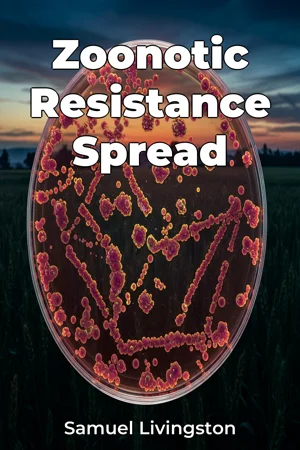
How is the overuse of antibiotics in animal agriculture contributing to a global health crisis affecting us all? "Zoonotic Resistance Spread" delves into the complex and increasingly alarming phenomenon of antibiotic-resistant bacteria transferring from animals to humans. This book explores the interconnectedness of animal health, human health, and environmental factors in the propagation of antimicrobial resistance (AMR). Understanding this intricate web is crucial for mitigating the threat of untreatable infections. The book focuses on two central themes: the mechanisms by which antibiotic resistance genes spread from animal populations to humans, and the specific agricultural practices that contribute to this spread. This includes the overuse of antibiotics in livestock, the role of animal waste in environmental contamination, and the potential for direct transmission of resistant bacteria through food products and human-animal contact. The significance of these topics lies in their direct impact on public health, food safety, and the economic stability of agricultural systems. Historically, the widespread use of antibiotics revolutionized medicine and agriculture. However, this reliance has inadvertently created selective pressures favoring the evolution and proliferation of resistant bacteria. Socially, the rise of AMR poses a significant threat to healthcare systems worldwide, potentially reversing decades of progress in combating infectious diseases. Scientifically, understanding the genetic and ecological dynamics of AMR is a complex and rapidly evolving field. A basic understanding of microbiology and evolutionary biology is helpful for fully appreciating the material presented. "Zoonotic Resistance Spread" argues that the increasing prevalence of zoonotic antibiotic resistance represents a growing threat to global health security, demanding urgent and multifaceted interventions. This argument is vital because it highlights the need for collaborative efforts across disciplines and sectors to address the root causes of AMR, rather than simply focusing on treating infections after they occur. The content unfolds in a logical progression. First, the book introduces the fundamental concepts of antibiotic resistance, including the mechanisms of resistance and the selective pressures driving its evolution. Second, it examines the specific pathways through which resistance genes are transmitted from animals to humans, focusing on agricultural practices, food production, and environmental dissemination. This section explores the role of horizontal gene transfer, the impact of animal density, and the effects of wastewater treatment systems. Third, the book analyzes the public health implications of zoonotic antibiotic resistance, including the increasing incidence of resistant infections, the challenges of treatment, and the economic burden of AMR. Finally, it concludes with a discussion of potential solutions, including strategies for reducing antibiotic use in agriculture, improving infection control practices, and developing new antimicrobial therapies. The book draws on a wide range of evidence, including epidemiological studies, genomic analyses of resistant bacteria, and experimental data on the transmission of resistance genes. Unique data sources include large-scale surveillance programs of antibiotic use and resistance in both animal and human populations, providing a comprehensive picture of the problem. "Zoonotic Resistance Spread" also connects to other fields, such as environmental science (examining the role of pollution in the spread of AMR), economics (analyzing the costs and benefits of different intervention strategies), and public policy (evaluating the effectiveness of regulations aimed at reducing antibiotic use). These interdisciplinary connections enrich the book's argument by providing a more holistic understanding of the complex factors driving AMR. This book offers a comprehensive analysis of the issue from a "One Health" perspective, emphasizing the interconnectedness of human, animal, and environmental health. The book is written in a clear and accessible style, intended for a broad audience of students, researchers, healthcare professionals, policymakers, and anyone interested in the global health challenges posed by antibiotic resistance. It will be valuable to these readers by providing a comprehensive overview of the key issues, the underlying science, and the potential solutions. As a work of non-fiction in the fields of biology, infectious diseases, and life sciences, the book adheres to rigorous standards of scientific accuracy and evidence-based reasoning. It aims to inform and educate the reader, while also stimulating critical thinking and promoting informed action. The book focuses specifically on the transmission of antibiotic resistance from animals to humans, acknowledging that this is only one aspect of the broader problem of AMR. It does not delve into the complexities of resistance in other settings, such as hospitals or community environments, except where they directly relate to zoonotic transmission. The information presented can be applied in a variety of ways. For example, healthcare professionals can use the book to better understand the risks of zoonotic antibiotic resistance and to inform their clinical practice. Policymakers can use it to develop evidence-based strategies for reducing antibiotic use in agriculture. And the general public can use it to make informed choices about food consumption and hygiene practices. The book addresses the controversy surrounding the use of antibiotics in animal agriculture, acknowledging the conflicting interests of different stakeholders and presenting a balanced assessment of the evidence. It explores the debate over the economic costs and benefits of reducing antibiotic use, and the challenges of implementing effective regulations.
How is the overuse of antibiotics in animal agriculture contributing to a global health crisis affecting us all? "Zoonotic Resistance Spread" delves into the complex and increasingly alarming phenomenon of antibiotic-resistant bacteria transferring from animals to humans. This book explores the interconnectedness of animal health, human health, and environmental factors in the propagation of antimicrobial resistance (AMR). Understanding this intricate web is crucial for mitigating the threat of untreatable infections. The book focuses on two central themes: the mechanisms by which antibiotic resistance genes spread from animal populations to humans, and the specific agricultural practices that contribute to this spread. This includes the overuse of antibiotics in livestock, the role of animal waste in environmental contamination, and the potential for direct transmission of resistant bacteria through food products and human-animal contact. The significance of these topics lies in their direct impact on public health, food safety, and the economic stability of agricultural systems. Historically, the widespread use of antibiotics revolutionized medicine and agriculture. However, this reliance has inadvertently created selective pressures favoring the evolution and proliferation of resistant bacteria. Socially, the rise of AMR poses a significant threat to healthcare systems worldwide, potentially reversing decades of progress in combating infectious diseases. Scientifically, understanding the genetic and ecological dynamics of AMR is a complex and rapidly evolving field. A basic understanding of microbiology and evolutionary biology is helpful for fully appreciating the material presented. "Zoonotic Resistance Spread" argues that the increasing prevalence of zoonotic antibiotic resistance represents a growing threat to global health security, demanding urgent and multifaceted interventions. This argument is vital because it highlights the need for collaborative efforts across disciplines and sectors to address the root causes of AMR, rather than simply focusing on treating infections after they occur. The content unfolds in a logical progression. First, the book introduces the fundamental concepts of antibiotic resistance, including the mechanisms of resistance and the selective pressures driving its evolution. Second, it examines the specific pathways through which resistance genes are transmitted from animals to humans, focusing on agricultural practices, food production, and environmental dissemination. This section explores the role of horizontal gene transfer, the impact of animal density, and the effects of wastewater treatment systems. Third, the book analyzes the public health implications of zoonotic antibiotic resistance, including the increasing incidence of resistant infections, the challenges of treatment, and the economic burden of AMR. Finally, it concludes with a discussion of potential solutions, including strategies for reducing antibiotic use in agriculture, improving infection control practices, and developing new antimicrobial therapies. The book draws on a wide range of evidence, including epidemiological studies, genomic analyses of resistant bacteria, and experimental data on the transmission of resistance genes. Unique data sources include large-scale surveillance programs of antibiotic use and resistance in both animal and human populations, providing a comprehensive picture of the problem. "Zoonotic Resistance Spread" also connects to other fields, such as environmental science (examining the role of pollution in the spread of AMR), economics (analyzing the costs and benefits of different intervention strategies), and public policy (evaluating the effectiveness of regulations aimed at reducing antibiotic use). These interdisciplinary connections enrich the book's argument by providing a more holistic understanding of the complex factors driving AMR. This book offers a comprehensive analysis of the issue from a "One Health" perspective, emphasizing the interconnectedness of human, animal, and environmental health. The book is written in a clear and accessible style, intended for a broad audience of students, researchers, healthcare professionals, policymakers, and anyone interested in the global health challenges posed by antibiotic resistance. It will be valuable to these readers by providing a comprehensive overview of the key issues, the underlying science, and the potential solutions. As a work of non-fiction in the fields of biology, infectious diseases, and life sciences, the book adheres to rigorous standards of scientific accuracy and evidence-based reasoning. It aims to inform and educate the reader, while also stimulating critical thinking and promoting informed action. The book focuses specifically on the transmission of antibiotic resistance from animals to humans, acknowledging that this is only one aspect of the broader problem of AMR. It does not delve into the complexities of resistance in other settings, such as hospitals or community environments, except where they directly relate to zoonotic transmission. The information presented can be applied in a variety of ways. For example, healthcare professionals can use the book to better understand the risks of zoonotic antibiotic resistance and to inform their clinical practice. Policymakers can use it to develop evidence-based strategies for reducing antibiotic use in agriculture. And the general public can use it to make informed choices about food consumption and hygiene practices. The book addresses the controversy surrounding the use of antibiotics in animal agriculture, acknowledging the conflicting interests of different stakeholders and presenting a balanced assessment of the evidence. It explores the debate over the economic costs and benefits of reducing antibiotic use, and the challenges of implementing effective regulations.
"Zoonotic Resistance Spread" tackles the urgent global health crisis of antibiotic resistance, focusing on how the overuse of antibiotics in animal agriculture facilitates the transfer of resistant bacteria to humans. The book highlights the interconnectedness of animal health, human health, and environmental factors, emphasizing how agricultural practices contribute to the spread of antimicrobial resistance (AMR). For instance, the routine use of antibiotics in livestock creates selective pressures, leading to the evolution and proliferation of resistant bacteria that can then jump to humans, threatening our ability to treat common infections. The book uniquely adopts a "One Health" perspective, underscoring the need for interdisciplinary collaboration to combat AMR, rather than solely focusing on treatment after infection. It meticulously unfolds, starting with the basics of antibiotic resistance, then examining transmission pathways from animals to humans via agriculture and food, and finally analyzing the public health implications and potential solutions. By drawing on epidemiological studies and genomic analyses, the book provides a comprehensive overview of the problem and possible intervention strategies, valuable for students, researchers, healthcare professionals, and policymakers alike.
Book Details
ISBN
9788235204196
Publisher
Publifye AS
Your Licenses
You don't own any licenses for this book
Purchase a license below to unlock this book and download the EPUB.
Purchase License
Select a tier to unlock this book
Need bulk licensing?
Contact us for enterprise agreements.