
About This Book
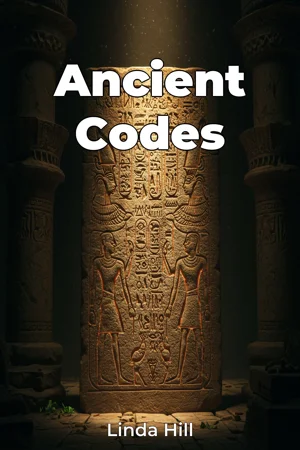
What if the keys to unlocking history's greatest mysteries were hidden not in grand monuments, but in the forgotten languages and cryptic symbols of the past? "Ancient Codes" delves into the world of lost alphabets, secret symbols, and mystical scripts, revealing their roles in communication, prophecy, and magical practices across diverse cultures and eras. This exploration is crucial because these neglected systems of writing offer unique insights into the beliefs, rituals, and power structures of civilizations that have shaped our world. By understanding these codes, we gain a deeper appreciation for the complexity of human history and the enduring power of language. This book examines three central themes: the evolution of writing from practical communication to esoteric expression; the use of codes and ciphers to protect sensitive information or encode spiritual truths; and the interpretation of symbolic languages in divination and ritual practices. These topics are interwoven with the historical context in which these codes emerged, including the rise and fall of empires, religious movements, and the development of magical traditions. No prior knowledge is required, as fundamental concepts of linguistics, cryptography, and comparative religion will be clearly introduced. The central argument is that ancient codes are not merely historical curiosities, but vital keys for understanding the intellectual, spiritual, and political landscapes of past societies. Their study reveals the diverse ways humans have sought to make meaning of the world, exert control over their destinies, and communicate with the divine. The book is structured to guide the reader through a logical progression of ideas. It begins by introducing the fundamental concepts of ancient writing systems and their evolution, then explores specific examples of coded languages, such as hieroglyphics, runes, and various alchemical and astrological symbols. Subsequent chapters examine the use of these codes in different contexts, including religious texts, magical grimoires, and political correspondence. The book culminates by considering the challenges and ethical considerations involved in deciphering and interpreting these ancient systems, emphasizing the importance of responsible scholarship and cultural sensitivity. The analysis presented relies on a wide range of evidence, including archaeological discoveries, ancient texts, linguistic analysis, and comparative studies of religious and magical traditions. Particular attention will be given to primary source materials, such as inscriptions, manuscripts, and early printed books. "Ancient Codes" draws connections to several other fields, including archaeology, anthropology, religious studies, and art history. For example, archaeological findings provide the physical context for understanding the use of ancient scripts, while anthropological perspectives shed light on the social and cultural meanings embedded within them. The book offers a fresh perspective by combining linguistic analysis with cultural and historical interpretation. It moves beyond a purely technical approach to decoding, instead focusing on the broader implications of these ancient systems of communication. Written in a clear and accessible style, "Ancient Codes" is intended for a broad audience, including history enthusiasts, language lovers, students of religion and mythology, and anyone curious about the hidden side of human history. The book will appeal to readers interested in historical mysteries, comparative cultures, and the power of symbols. As a work of non-fiction in the areas of History and Language Arts, "Ancient Codes" aims to provide a well-researched and objective account of its subject. It avoids speculation and sensationalism, instead focusing on presenting factual information and sound interpretations. The book's scope is limited to examining a selection of prominent ancient codes and scripts, rather than attempting to provide an exhaustive survey of all such systems. This allows for a more in-depth analysis of the chosen examples. The knowledge gained from reading "Ancient Codes" can be applied in various practical ways. For example, understanding ancient symbols can enhance one's appreciation of art and architecture, while knowledge of cryptography can inform modern cybersecurity practices. The book also encourages critical thinking and analytical skills, which are valuable in many areas of life. The interpretation of ancient codes is often subject to debate, and "Ancient Codes" acknowledges these controversies. It presents different perspectives on the meaning and significance of certain symbols and scripts, encouraging readers to form their own informed opinions.
What if the keys to unlocking history's greatest mysteries were hidden not in grand monuments, but in the forgotten languages and cryptic symbols of the past? "Ancient Codes" delves into the world of lost alphabets, secret symbols, and mystical scripts, revealing their roles in communication, prophecy, and magical practices across diverse cultures and eras. This exploration is crucial because these neglected systems of writing offer unique insights into the beliefs, rituals, and power structures of civilizations that have shaped our world. By understanding these codes, we gain a deeper appreciation for the complexity of human history and the enduring power of language. This book examines three central themes: the evolution of writing from practical communication to esoteric expression; the use of codes and ciphers to protect sensitive information or encode spiritual truths; and the interpretation of symbolic languages in divination and ritual practices. These topics are interwoven with the historical context in which these codes emerged, including the rise and fall of empires, religious movements, and the development of magical traditions. No prior knowledge is required, as fundamental concepts of linguistics, cryptography, and comparative religion will be clearly introduced. The central argument is that ancient codes are not merely historical curiosities, but vital keys for understanding the intellectual, spiritual, and political landscapes of past societies. Their study reveals the diverse ways humans have sought to make meaning of the world, exert control over their destinies, and communicate with the divine. The book is structured to guide the reader through a logical progression of ideas. It begins by introducing the fundamental concepts of ancient writing systems and their evolution, then explores specific examples of coded languages, such as hieroglyphics, runes, and various alchemical and astrological symbols. Subsequent chapters examine the use of these codes in different contexts, including religious texts, magical grimoires, and political correspondence. The book culminates by considering the challenges and ethical considerations involved in deciphering and interpreting these ancient systems, emphasizing the importance of responsible scholarship and cultural sensitivity. The analysis presented relies on a wide range of evidence, including archaeological discoveries, ancient texts, linguistic analysis, and comparative studies of religious and magical traditions. Particular attention will be given to primary source materials, such as inscriptions, manuscripts, and early printed books. "Ancient Codes" draws connections to several other fields, including archaeology, anthropology, religious studies, and art history. For example, archaeological findings provide the physical context for understanding the use of ancient scripts, while anthropological perspectives shed light on the social and cultural meanings embedded within them. The book offers a fresh perspective by combining linguistic analysis with cultural and historical interpretation. It moves beyond a purely technical approach to decoding, instead focusing on the broader implications of these ancient systems of communication. Written in a clear and accessible style, "Ancient Codes" is intended for a broad audience, including history enthusiasts, language lovers, students of religion and mythology, and anyone curious about the hidden side of human history. The book will appeal to readers interested in historical mysteries, comparative cultures, and the power of symbols. As a work of non-fiction in the areas of History and Language Arts, "Ancient Codes" aims to provide a well-researched and objective account of its subject. It avoids speculation and sensationalism, instead focusing on presenting factual information and sound interpretations. The book's scope is limited to examining a selection of prominent ancient codes and scripts, rather than attempting to provide an exhaustive survey of all such systems. This allows for a more in-depth analysis of the chosen examples. The knowledge gained from reading "Ancient Codes" can be applied in various practical ways. For example, understanding ancient symbols can enhance one's appreciation of art and architecture, while knowledge of cryptography can inform modern cybersecurity practices. The book also encourages critical thinking and analytical skills, which are valuable in many areas of life. The interpretation of ancient codes is often subject to debate, and "Ancient Codes" acknowledges these controversies. It presents different perspectives on the meaning and significance of certain symbols and scripts, encouraging readers to form their own informed opinions.
"Ancient Codes" explores the fascinating realm of lost languages and cryptic symbols, revealing their profound impact on shaping civilizations. It examines how these ancient writing systems, often overlooked, offer unique insights into the beliefs, rituals, and power dynamics of past societies. For example, understanding hieroglyphics provides a window into the religious and political structures of ancient Egypt, while runes reveal aspects of Norse cosmology and magical practices. By delving into these symbolic languages, we uncover the intellectual, spiritual, and political landscapes of bygone eras. The book progresses logically, starting with the evolution of writing and moving through specific examples like hieroglyphics and alchemical symbols. It then examines the use of these codes in religious texts, magical traditions, and political correspondence. This approach allows readers to appreciate not only the technical aspects of deciphering ancient codes but also their broader cultural and historical implications. The analysis draws on archaeological discoveries, ancient texts, and linguistic analysis, providing a comprehensive understanding of these historical mysteries.
Book Details
ISBN
9788235204165
Publisher
Publifye AS
Your Licenses
You don't own any licenses for this book
Purchase a license below to unlock this book and download the EPUB.
Purchase License
Select a tier to unlock this book
Need bulk licensing?
Contact us for enterprise agreements.