
About This Book
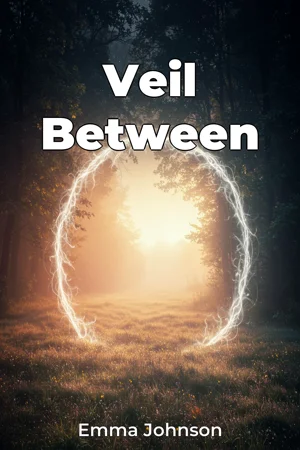
Across cultures and throughout time, humanity has grappled with the enigma of death and the possibility of an existence beyond the mortal realm. What if the division between the living and the dead is not an insurmountable barrier but a permeable veil, easily traversed in myth and literature? "Veil Between" delves into this compelling question, exploring diverse cultural interpretations of the boundary separating life and death, as reflected in their myths, folklore, and literary traditions. It examines how different societies conceptualize this liminal space and the beings that may inhabit it, enriching our understanding of human spirituality, societal values, and collective anxieties. This book undertakes a journey across continents and centuries, investigating the multifaceted perspectives on death and the afterlife within various cultures. Our key topics are the conceptualization of death as a transition, the role of ancestral veneration, and the portrayal of spirits and deities mediating between the worlds. These topics are significant because they offer insights into how different cultures confront mortality, establish social order, and seek meaning in the face of life's inevitable end. Understanding these diverse viewpoints requires a foundational knowledge of comparative mythology, religious studies, and cross-cultural analysis. "Veil Between" provides the necessary historical and social context for each cultural tradition explored, offering a lens through which readers can appreciate the nuances of these beliefs. The central argument of "Veil Between" is that the depiction of the boundary between the living and the dead in myths and literature serves as a cultural mirror, reflecting a society's deepest beliefs, fears, and hopes. Furthermore, these narratives often act as mechanisms for negotiating social norms, preserving cultural memory, and providing frameworks for understanding the human condition. "Veil Between" is structured to systematically uncover these cultural narratives. First, it introduces the core concepts of death, afterlife, and the spirit world, outlining the theoretical framework for cross-cultural comparison. Then, it explores specific cultural traditions, such as ancient Egyptian beliefs about the afterlife, Shinto perspectives on ancestral spirits in Japan, and Celtic folklore regarding the Otherworld. These chapters will examine key myths, rituals, and literary works, analyzing how they portray the interaction between the living and the dead. The book culminates by synthesizing these diverse perspectives, revealing common human themes and highlighting the unique cultural expressions of each tradition. Finally, the practical implications for understanding contemporary attitudes towards grief, mourning, and end-of-life care are discussed. The analysis presented in "Veil Between" draws upon a wide range of evidence, including primary source materials such as ancient texts, religious scriptures, folktales, and literary works. Secondary scholarly sources in anthropology, religious studies, and literature provide supporting context and interpretation. The book employs comparative analysis, identifying patterns and variations in the portrayal of the veil between worlds across different cultures. "Veil Between" connects to several other fields. Anthropology provides insights into the cultural context of these beliefs. Psychology offers perspectives on the human need for meaning and the psychological impact of death. Literary studies analyze the artistic and narrative techniques used to convey these ideas. This book stands out by taking an interdisciplinary approach, weaving together insights from various fields to offer a comprehensive understanding of how different cultures perceive the boundary between the living and the dead. It analyzes the myths and literature of diverse cultures, revealing the shared human experiences and unique cultural expressions related to death and the afterlife. The tone of "Veil Between" is academic yet accessible, aiming to engage both scholars and general readers interested in exploring these topics. The writing style is clear and concise, making complex ideas understandable to a broader audience. The target audience includes students and scholars of religion, mythology, history, and literature, as well as anyone with a curiosity about different cultural beliefs and the human experience of mortality. This book offers valuable insights into the diverse ways humans have made sense of death and the afterlife, deepening our appreciation for the richness of human culture. As a work of non-fiction, "Veil Between" adheres to principles of accuracy, objectivity, and evidence-based analysis. It presents diverse perspectives fairly and respectfully, avoiding any biased or unsubstantiated claims. The scope of "Veil Between" is broad, encompassing a wide range of cultural traditions. However, it is limited to those cultures with well-documented myths and literary traditions regarding death and the afterlife. The information presented in "Veil Between" has real-world applications in fields such as palliative care, grief counseling, and cross-cultural communication. Understanding different cultural beliefs about death can improve the quality of care provided to individuals from diverse backgrounds and promote more meaningful dialogue about end-of-life issues. While the universality of death is acknowledged, specific interpretations are culturally contingent and sometimes hotly debated within religious and academic circles. The book addresses common controversies, such as the nature of consciousness after death and the validity of near-death experiences, by presenting various viewpoints without advocating for any particular belief system.
Across cultures and throughout time, humanity has grappled with the enigma of death and the possibility of an existence beyond the mortal realm. What if the division between the living and the dead is not an insurmountable barrier but a permeable veil, easily traversed in myth and literature? "Veil Between" delves into this compelling question, exploring diverse cultural interpretations of the boundary separating life and death, as reflected in their myths, folklore, and literary traditions. It examines how different societies conceptualize this liminal space and the beings that may inhabit it, enriching our understanding of human spirituality, societal values, and collective anxieties. This book undertakes a journey across continents and centuries, investigating the multifaceted perspectives on death and the afterlife within various cultures. Our key topics are the conceptualization of death as a transition, the role of ancestral veneration, and the portrayal of spirits and deities mediating between the worlds. These topics are significant because they offer insights into how different cultures confront mortality, establish social order, and seek meaning in the face of life's inevitable end. Understanding these diverse viewpoints requires a foundational knowledge of comparative mythology, religious studies, and cross-cultural analysis. "Veil Between" provides the necessary historical and social context for each cultural tradition explored, offering a lens through which readers can appreciate the nuances of these beliefs. The central argument of "Veil Between" is that the depiction of the boundary between the living and the dead in myths and literature serves as a cultural mirror, reflecting a society's deepest beliefs, fears, and hopes. Furthermore, these narratives often act as mechanisms for negotiating social norms, preserving cultural memory, and providing frameworks for understanding the human condition. "Veil Between" is structured to systematically uncover these cultural narratives. First, it introduces the core concepts of death, afterlife, and the spirit world, outlining the theoretical framework for cross-cultural comparison. Then, it explores specific cultural traditions, such as ancient Egyptian beliefs about the afterlife, Shinto perspectives on ancestral spirits in Japan, and Celtic folklore regarding the Otherworld. These chapters will examine key myths, rituals, and literary works, analyzing how they portray the interaction between the living and the dead. The book culminates by synthesizing these diverse perspectives, revealing common human themes and highlighting the unique cultural expressions of each tradition. Finally, the practical implications for understanding contemporary attitudes towards grief, mourning, and end-of-life care are discussed. The analysis presented in "Veil Between" draws upon a wide range of evidence, including primary source materials such as ancient texts, religious scriptures, folktales, and literary works. Secondary scholarly sources in anthropology, religious studies, and literature provide supporting context and interpretation. The book employs comparative analysis, identifying patterns and variations in the portrayal of the veil between worlds across different cultures. "Veil Between" connects to several other fields. Anthropology provides insights into the cultural context of these beliefs. Psychology offers perspectives on the human need for meaning and the psychological impact of death. Literary studies analyze the artistic and narrative techniques used to convey these ideas. This book stands out by taking an interdisciplinary approach, weaving together insights from various fields to offer a comprehensive understanding of how different cultures perceive the boundary between the living and the dead. It analyzes the myths and literature of diverse cultures, revealing the shared human experiences and unique cultural expressions related to death and the afterlife. The tone of "Veil Between" is academic yet accessible, aiming to engage both scholars and general readers interested in exploring these topics. The writing style is clear and concise, making complex ideas understandable to a broader audience. The target audience includes students and scholars of religion, mythology, history, and literature, as well as anyone with a curiosity about different cultural beliefs and the human experience of mortality. This book offers valuable insights into the diverse ways humans have made sense of death and the afterlife, deepening our appreciation for the richness of human culture. As a work of non-fiction, "Veil Between" adheres to principles of accuracy, objectivity, and evidence-based analysis. It presents diverse perspectives fairly and respectfully, avoiding any biased or unsubstantiated claims. The scope of "Veil Between" is broad, encompassing a wide range of cultural traditions. However, it is limited to those cultures with well-documented myths and literary traditions regarding death and the afterlife. The information presented in "Veil Between" has real-world applications in fields such as palliative care, grief counseling, and cross-cultural communication. Understanding different cultural beliefs about death can improve the quality of care provided to individuals from diverse backgrounds and promote more meaningful dialogue about end-of-life issues. While the universality of death is acknowledged, specific interpretations are culturally contingent and sometimes hotly debated within religious and academic circles. The book addresses common controversies, such as the nature of consciousness after death and the validity of near-death experiences, by presenting various viewpoints without advocating for any particular belief system.
"Veil Between" explores humanity's enduring fascination with death and the afterlife, examining how diverse cultures envision the boundary between the living and the dead. By analyzing myths, folklore, and literature, the book reveals how societies use these narratives to reflect their deepest beliefs, fears, and hopes about mortality. Did you know that some cultures view death not as an end, but as a transition to another form of existence? Or that ancestral veneration plays a crucial role in bridging the gap between the spirit world and the world of the living? The book progresses systematically, beginning with core concepts related to death and the spirit world, then delving into specific cultural traditions like ancient Egyptian beliefs and Celtic folklore. Through cross-cultural analysis, "Veil Between" identifies common human themes and highlights unique cultural expressions, offering insights into societal values and collective anxieties surrounding death. This exploration of cultural traditions provides a lens through which readers can appreciate the nuances of these beliefs.
Book Details
ISBN
9788235204035
Publisher
Publifye AS
Your Licenses
You don't own any licenses for this book
Purchase a license below to unlock this book and download the EPUB.
Purchase License
Select a tier to unlock this book
Need bulk licensing?
Contact us for enterprise agreements.