
About This Book
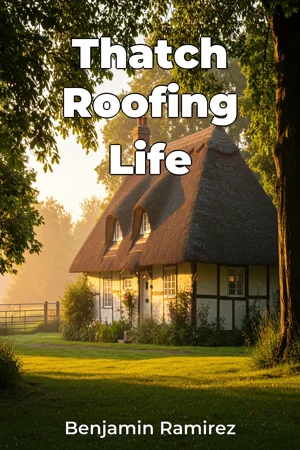
Have you ever paused to consider the intricate artistry and communal effort woven into the seemingly simple roof over your head? "Thatch Roofing Life" delves into the world of thatch roofs, exploring not only their construction but also the profound social and historical significance they hold within village communities. This book examines architecture as a living, breathing practice deeply intertwined with family and communal life. We explore the architectural nuances of thatch roofing, understanding it not just as a building technique but as a reflection of cultural values and historical adaptation. The book's core lies in understanding three main themes. First, the detailed craft of thatch roof construction, tracing its methods and materials across various regions. Second, the role of family units in perpetuating this craft, with intergenerational knowledge transfer and collaborative labor as central tenets. Third, the broader social impact of thatch roofing on village life, including its contribution to community identity, economic stability, and environmental sustainability. These themes underscore the central argument: thatch roofing is more than just a building technique; it's a cultural practice embodying resilience, community, and sustainable living. We will explore the history of thatch roofing, from its ancient origins to its contemporary relevance, with attention to the socio-economic conditions that fostered its development. The book will also examine the diverse materials and techniques used in different geographical regions, highlighting the ingenuity of local builders in adapting to their environments. The book is structured to first introduce the fundamental principles of thatch roofing and its variations. It then branches into three major sections. The first section details the sourcing, preparation, and application of thatching materials, explaining the properties of different types of straw, reeds, and other natural fibers. The second examines the social dynamics of thatch roof construction, showcasing family involvement, apprenticeship systems, and community-based building initiatives. Finally, the book culminates in an analysis of the modern challenges and opportunities facing thatch roofing, including conservation efforts, sustainable practices, and its potential role in contemporary architecture. This work rests on a foundation of academic research, ethnographic studies, and architectural analyses. It draws on historical documents, field observations, and interviews with thatchers and community members. We will present data from comparative studies of thatch roofing techniques across different regions, supplemented by photographs, diagrams, and case studies of specific building projects. Interdisciplinary connections are crucial to understanding the complete picture. The book touches upon agricultural practices, examining the cultivation of thatching materials and the environmental impact of their harvesting. It also connects to social history, analyzing the role of thatch roofing in shaping community structures and cultural identities. Moreover, it relates to environmental studies, exploring the sustainability of thatch as a building material and its potential for mitigating climate change. This book stands apart through its holistic approach, weaving together the technical aspects of thatch roofing with its social, historical, and environmental contexts. It provides a comprehensive overview of the craft, while also shedding light on the human stories and community values embedded within its practice. Written in a clear and engaging style, "Thatch Roofing Life" is aimed at a diverse audience, including architects, historians, anthropologists, environmentalists, and anyone interested in traditional building techniques and sustainable living. It offers valuable insights for researchers, practitioners, and enthusiasts alike. As a work of architectural history, this book adheres to the genre's emphasis on detailed documentation, rigorous analysis, and contextual understanding. While we present a broad survey of thatch roofing practices globally, the book focuses primarily on case studies within specific village communities to provide in-depth insights. The book emphasizes the practical applications of thatch roofing, showcasing its potential for sustainable building and community development. It addresses misconceptions about thatch as an outdated or inferior building material, demonstrating its durability, energy efficiency, and aesthetic appeal. While acknowledging debates surrounding the costs and maintenance of thatch roofs compared to modern materials, the book argues for its continued relevance in contemporary society.
Have you ever paused to consider the intricate artistry and communal effort woven into the seemingly simple roof over your head? "Thatch Roofing Life" delves into the world of thatch roofs, exploring not only their construction but also the profound social and historical significance they hold within village communities. This book examines architecture as a living, breathing practice deeply intertwined with family and communal life. We explore the architectural nuances of thatch roofing, understanding it not just as a building technique but as a reflection of cultural values and historical adaptation. The book's core lies in understanding three main themes. First, the detailed craft of thatch roof construction, tracing its methods and materials across various regions. Second, the role of family units in perpetuating this craft, with intergenerational knowledge transfer and collaborative labor as central tenets. Third, the broader social impact of thatch roofing on village life, including its contribution to community identity, economic stability, and environmental sustainability. These themes underscore the central argument: thatch roofing is more than just a building technique; it's a cultural practice embodying resilience, community, and sustainable living. We will explore the history of thatch roofing, from its ancient origins to its contemporary relevance, with attention to the socio-economic conditions that fostered its development. The book will also examine the diverse materials and techniques used in different geographical regions, highlighting the ingenuity of local builders in adapting to their environments. The book is structured to first introduce the fundamental principles of thatch roofing and its variations. It then branches into three major sections. The first section details the sourcing, preparation, and application of thatching materials, explaining the properties of different types of straw, reeds, and other natural fibers. The second examines the social dynamics of thatch roof construction, showcasing family involvement, apprenticeship systems, and community-based building initiatives. Finally, the book culminates in an analysis of the modern challenges and opportunities facing thatch roofing, including conservation efforts, sustainable practices, and its potential role in contemporary architecture. This work rests on a foundation of academic research, ethnographic studies, and architectural analyses. It draws on historical documents, field observations, and interviews with thatchers and community members. We will present data from comparative studies of thatch roofing techniques across different regions, supplemented by photographs, diagrams, and case studies of specific building projects. Interdisciplinary connections are crucial to understanding the complete picture. The book touches upon agricultural practices, examining the cultivation of thatching materials and the environmental impact of their harvesting. It also connects to social history, analyzing the role of thatch roofing in shaping community structures and cultural identities. Moreover, it relates to environmental studies, exploring the sustainability of thatch as a building material and its potential for mitigating climate change. This book stands apart through its holistic approach, weaving together the technical aspects of thatch roofing with its social, historical, and environmental contexts. It provides a comprehensive overview of the craft, while also shedding light on the human stories and community values embedded within its practice. Written in a clear and engaging style, "Thatch Roofing Life" is aimed at a diverse audience, including architects, historians, anthropologists, environmentalists, and anyone interested in traditional building techniques and sustainable living. It offers valuable insights for researchers, practitioners, and enthusiasts alike. As a work of architectural history, this book adheres to the genre's emphasis on detailed documentation, rigorous analysis, and contextual understanding. While we present a broad survey of thatch roofing practices globally, the book focuses primarily on case studies within specific village communities to provide in-depth insights. The book emphasizes the practical applications of thatch roofing, showcasing its potential for sustainable building and community development. It addresses misconceptions about thatch as an outdated or inferior building material, demonstrating its durability, energy efficiency, and aesthetic appeal. While acknowledging debates surrounding the costs and maintenance of thatch roofs compared to modern materials, the book argues for its continued relevance in contemporary society.
"Thatch Roofing Life" explores the multifaceted world of thatch roofs, revealing their significance beyond mere shelter. It examines how this traditional architecture embodies cultural heritage, sustainable building practices, and the spirit of village communities. Thatch roofing isn't just about building techniques; it reflects historical adaptation and communal values. Did you know that thatch roofs can last for decades with proper maintenance, offering excellent insulation? Or that the materials used often come from locally sourced, renewable resources? The book progresses systematically, first introducing the fundamentals, then diving into the sourcing and preparation of materials, the social dynamics involved in construction, and finally, the modern challenges and opportunities for thatch roofing. Through architectural history, ethnographic studies, and community interviews, the book highlights the intergenerational knowledge transfer critical to perpetuating this craft. This approach emphasizes the resilience and sustainability inherent in vernacular architecture, making the book a valuable resource for anyone interested in architectural craft and green building.
Book Details
ISBN
9788235204004
Publisher
Publifye AS
Your Licenses
You don't own any licenses for this book
Purchase a license below to unlock this book and download the EPUB.
Purchase License
Select a tier to unlock this book
Need bulk licensing?
Contact us for enterprise agreements.