
About This Book
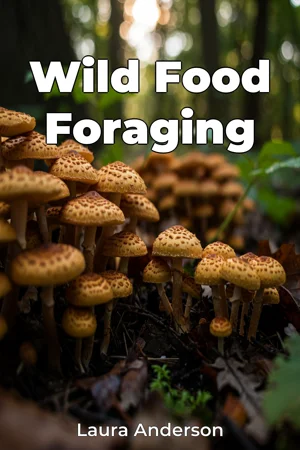
Have you ever considered the wealth of sustenance thriving in the wild, just beyond our cultivated landscapes? "Wild Food Foraging" unveils the intricate relationship between indigenous cultures and their environment, documenting the traditional knowledge surrounding edible plants, fungi, and lichen. This book serves as a comprehensive guide, bridging the gap between ancestral wisdom and modern understanding of nature's bounty. Central to this exploration are three pivotal topics: ethnobotany, seasonal ecology, and sustainable harvesting. Ethnobotany provides a framework for understanding how different cultures categorize and utilize wild foods. Recognizing seasonal ecology is crucial for identifying edibles at their peak nutritional value and respecting the natural cycles of plant life. Finally, sustainable harvesting practices ensure the long-term availability of these resources, preventing overexploitation, and promoting ecological balance. These topics are significant because they offer a holistic approach to foraging, blending cultural awareness with ecological responsibility. Historically, many indigenous communities relied heavily on wild foods for sustenance and medicinal purposes, developing an intimate understanding of their local ecosystems. This knowledge, passed down through generations, is increasingly vital as a means of reconnecting with nature and promoting food security. The reader does not need prior botanical expertise, however, a willingness to learn about plant identification and ecological principles will enhance the reading experience. The central argument of "Wild Food Foraging" asserts that traditional knowledge of edible wild resources represents a valuable and underutilized asset for promoting both environmental sustainability and cultural preservation. This argument is crucial because it challenges conventional food systems that often neglect local biodiversity and indigenous expertise. The book aims to highlight the potential for integrating wild foods into contemporary diets in a respectful and ecologically sound manner. The book begins by introducing the key concepts of ethnobotany, seasonal ecology, and sustainable harvesting. It then delves into specific regions and indigenous cultures, showcasing their unique traditions and food practices. Major sections will explore plant identification techniques, discussing morphological characteristics and potential look-alikes; provide detailed information on the nutritional and medicinal properties of various wild foods; and offer guidelines for ethical and sustainable harvesting, emphasizing the importance of respecting local ecosystems and obtaining necessary permissions. The book concludes with a discussion of the broader implications of wild food foraging, including its potential role in promoting food security and fostering a deeper connection with the natural world. The information presented is based on a combination of ethnobotanical literature, field research, and interviews with indigenous knowledge holders. The book also draws upon scientific studies that analyze the nutritional and medicinal properties of wild foods. Unique data sources include traditional ecological knowledge (TEK) databases and archival records of indigenous food practices. "Wild Food Foraging" connects to various fields of study, including anthropology, ecology, nutrition, and gastronomy. The anthropological perspective highlights the cultural significance of wild foods, while the ecological lens examines their role in maintaining healthy ecosystems. The nutritional aspect focuses on the health benefits of incorporating wild foods into diets, and the gastronomic connection explores the culinary potential of these ingredients. These interdisciplinary connections enrich the book's argument by demonstrating the multifaceted value of wild food foraging. This book distinguishes itself by prioritizing the perspectives and knowledge of indigenous communities. Rather than simply presenting a catalog of edible plants, it emphasizes the importance of understanding the cultural context and ecological implications of foraging. The book approaches the topic with an educational and respectful tone, encouraging readers to engage with the natural world in a mindful and responsible way. The target audience includes ethnobotanists, ecologists, chefs, health enthusiasts, and anyone interested in learning more about the relationship between humans and the environment. This book would be valuable to them because it provides a comprehensive and accessible guide to wild food foraging, grounded in both scientific research and traditional knowledge. As a non-fiction work, this book adheres to the conventions of accuracy, objectivity, and clear communication. The information presented is based on reliable sources and is presented in an accessible and well-organized manner. The book's scope is broad, encompassing a wide range of edible plants, fungi, and lichen from different regions and indigenous cultures. However, it is limited by the availability of information and the need to maintain a manageable size. The book does not delve into specific recipes or detailed culinary techniques, focusing instead on the identification, harvesting, and cultural significance of wild foods. The information in "Wild Food Foraging" can be applied practically by readers through responsible foraging practices, the incorporation of wild foods into their diets, and the support of indigenous communities who are working to preserve their traditional knowledge. While the book promotes the sustainable use of wild foods, it also acknowledges the potential for controversies surrounding issues such as cultural appropriation, overharvesting, and the misidentification of edible plants. The book addresses these concerns by emphasizing the importance of ethical foraging practices, cultural sensitivity, and thorough research.
Have you ever considered the wealth of sustenance thriving in the wild, just beyond our cultivated landscapes? "Wild Food Foraging" unveils the intricate relationship between indigenous cultures and their environment, documenting the traditional knowledge surrounding edible plants, fungi, and lichen. This book serves as a comprehensive guide, bridging the gap between ancestral wisdom and modern understanding of nature's bounty. Central to this exploration are three pivotal topics: ethnobotany, seasonal ecology, and sustainable harvesting. Ethnobotany provides a framework for understanding how different cultures categorize and utilize wild foods. Recognizing seasonal ecology is crucial for identifying edibles at their peak nutritional value and respecting the natural cycles of plant life. Finally, sustainable harvesting practices ensure the long-term availability of these resources, preventing overexploitation, and promoting ecological balance. These topics are significant because they offer a holistic approach to foraging, blending cultural awareness with ecological responsibility. Historically, many indigenous communities relied heavily on wild foods for sustenance and medicinal purposes, developing an intimate understanding of their local ecosystems. This knowledge, passed down through generations, is increasingly vital as a means of reconnecting with nature and promoting food security. The reader does not need prior botanical expertise, however, a willingness to learn about plant identification and ecological principles will enhance the reading experience. The central argument of "Wild Food Foraging" asserts that traditional knowledge of edible wild resources represents a valuable and underutilized asset for promoting both environmental sustainability and cultural preservation. This argument is crucial because it challenges conventional food systems that often neglect local biodiversity and indigenous expertise. The book aims to highlight the potential for integrating wild foods into contemporary diets in a respectful and ecologically sound manner. The book begins by introducing the key concepts of ethnobotany, seasonal ecology, and sustainable harvesting. It then delves into specific regions and indigenous cultures, showcasing their unique traditions and food practices. Major sections will explore plant identification techniques, discussing morphological characteristics and potential look-alikes; provide detailed information on the nutritional and medicinal properties of various wild foods; and offer guidelines for ethical and sustainable harvesting, emphasizing the importance of respecting local ecosystems and obtaining necessary permissions. The book concludes with a discussion of the broader implications of wild food foraging, including its potential role in promoting food security and fostering a deeper connection with the natural world. The information presented is based on a combination of ethnobotanical literature, field research, and interviews with indigenous knowledge holders. The book also draws upon scientific studies that analyze the nutritional and medicinal properties of wild foods. Unique data sources include traditional ecological knowledge (TEK) databases and archival records of indigenous food practices. "Wild Food Foraging" connects to various fields of study, including anthropology, ecology, nutrition, and gastronomy. The anthropological perspective highlights the cultural significance of wild foods, while the ecological lens examines their role in maintaining healthy ecosystems. The nutritional aspect focuses on the health benefits of incorporating wild foods into diets, and the gastronomic connection explores the culinary potential of these ingredients. These interdisciplinary connections enrich the book's argument by demonstrating the multifaceted value of wild food foraging. This book distinguishes itself by prioritizing the perspectives and knowledge of indigenous communities. Rather than simply presenting a catalog of edible plants, it emphasizes the importance of understanding the cultural context and ecological implications of foraging. The book approaches the topic with an educational and respectful tone, encouraging readers to engage with the natural world in a mindful and responsible way. The target audience includes ethnobotanists, ecologists, chefs, health enthusiasts, and anyone interested in learning more about the relationship between humans and the environment. This book would be valuable to them because it provides a comprehensive and accessible guide to wild food foraging, grounded in both scientific research and traditional knowledge. As a non-fiction work, this book adheres to the conventions of accuracy, objectivity, and clear communication. The information presented is based on reliable sources and is presented in an accessible and well-organized manner. The book's scope is broad, encompassing a wide range of edible plants, fungi, and lichen from different regions and indigenous cultures. However, it is limited by the availability of information and the need to maintain a manageable size. The book does not delve into specific recipes or detailed culinary techniques, focusing instead on the identification, harvesting, and cultural significance of wild foods. The information in "Wild Food Foraging" can be applied practically by readers through responsible foraging practices, the incorporation of wild foods into their diets, and the support of indigenous communities who are working to preserve their traditional knowledge. While the book promotes the sustainable use of wild foods, it also acknowledges the potential for controversies surrounding issues such as cultural appropriation, overharvesting, and the misidentification of edible plants. The book addresses these concerns by emphasizing the importance of ethical foraging practices, cultural sensitivity, and thorough research.
"Wild Food Foraging" explores the world of edible plants, fungi, and lichen, focusing on traditional knowledge and sustainable practices. It delves into ethnobotany, examining how indigenous cultures classify and use wild foods, while also highlighting the importance of seasonal ecology for responsible harvesting. Discover how indigenous communities have historically relied on these resources for sustenance and medicine, gaining an intimate understanding of their local ecosystems. The book emphasizes sustainable harvesting to maintain ecological balance, preventing overexploitation and ensuring long-term resource availability. It uniquely blends ancestral wisdom with modern ecological understanding, advocating for the integration of wild foods into contemporary diets in a respectful and ecologically sound manner. It begins by introducing key concepts, then delves into specific regions and cultures, offering plant identification techniques and guidelines for ethical harvesting. Ultimately, "Wild Food Foraging" argues that traditional knowledge of edible wild resources is an underutilized asset for environmental sustainability and cultural preservation. By prioritizing indigenous perspectives and emphasizing cultural context, the book encourages readers to engage with nature mindfully, learning about plant identification and respecting the environment.
Book Details
ISBN
9788235203847
Publisher
Publifye AS
Your Licenses
You don't own any licenses for this book
Purchase a license below to unlock this book and download the EPUB.
Purchase License
Select a tier to unlock this book
Need bulk licensing?
Contact us for enterprise agreements.