
About This Book
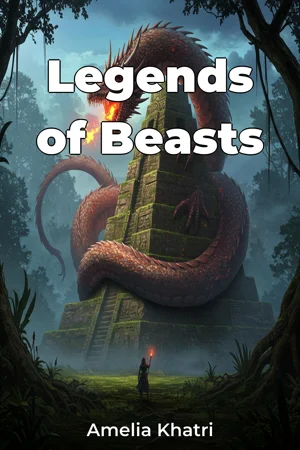
Have you ever wondered how a dragon's fiery breath or a unicorn's gentle horn came to be ingrained in our collective consciousness? *Legends of Beasts* delves into the captivating world of mythical creatures, exploring their enduring presence in folklore, epic narratives, and symbolic storytelling across diverse civilizations. This book examines not just *what* these creatures are, but *why* they matter, revealing their profound influence on human culture and history. This book aims to demonstrate that mythical beasts are not mere figments of imagination, but rather potent cultural artifacts that reflect humanity's deepest fears, aspirations, and attempts to understand the world around them. Understanding their origins, evolution, and symbolic meanings provides invaluable insights into the societies that created and perpetuated them. To contextualize the influence of mythological creatures this book will examine the environmental, societal, and spiritual environments that gave rise to specific bestiaries. This necessitates an understanding of ancient cosmologies, early religious practices, and the socio-economic conditions that shaped human interaction with the natural world. Readers will benefit from a familiarity with basic concepts in mythology and anthropology, although the text is structured to be accessible to those without prior expertise. The central argument of *Legends of Beasts* is that the persistent presence of mythical creatures in human culture stems from their ability to embody complex ideas and emotions in tangible, relatable forms. From morality to mortality, these beasts serve as symbolic vessels for exploring the fundamental aspects of the human condition, shaping not only our stories but also our belief systems and social structures. The book is structured in three distinct sections, beginning with an exploration into the origins of these legends. This includes analysis of their symbolic weight in archaic cultures. The next section will cover the rise of legendary creatures in established religions from around the world, showing how the evolution of these religions changed the meaning and roles of particular mythological creatures. Finally, the book culminates in a dissection of the lasting impact of these legends in modernity, focusing on the appearance of mythical beasts in entertainment media, psychological theory, and even technological design. The backbone of this book resides in a comprehensive analysis of primary source material including ancient texts, artwork, and archaeological findings. We will draw upon scholarly research in mythology, anthropology, history, and art history to support our arguments, providing a rigorous and evidence-based exploration of the subject matter. The subject matter naturally intersects with several fields of study. Firstly, anthropology helps us understand the cultural contexts in which these creatures emerged. Secondly, comparative religion sheds light on the role of mythical beasts in different belief systems. Finally, literary studies allow us to analyze the narrative functions of these characters in epic poems, folktales, and modern literature. These interdisciplinary connections enrich the book's analysis, offering a more nuanced and comprehensive perspective. *Legends of Beasts* adopts a unique thematic approach, tracing the evolution of particular archetypes such as dragons, sea monsters, and forest spirits across diverse cultures and time periods. This comparative framework reveals surprising similarities and differences in how these creatures are perceived and interpreted, offering fresh insights into the shared human experience. The tone of the book is scholarly yet accessible, aiming to engage both academic researchers and general readers with an interest in mythology and folklore. The writing style is clear, concise, and engaging, avoiding jargon and technical terms whenever possible. The target audience includes students, academics, and anyone with a fascination for mythology, folklore, history, and cultural studies. The book offers a valuable resource for understanding the power of storytelling and the enduring influence of mythical creatures on human civilization. In keeping with the conventions of historical non-fiction, *Legends of Beasts* offers a balanced and objective examination of the available evidence, presenting multiple perspectives and acknowledging areas of ongoing debate. The scope of the book is intentionally broad, encompassing a wide range of cultures and time periods, but with a focus on the most widely recognized and influential mythical creatures. The book does not delve into every regional variation or obscure legend but rather focuses on the overarching themes and patterns that emerge across different traditions. The insights offered in *Legends of Beasts* have practical applications for writers, artists, game designers, and anyone interested in creating compelling narratives and engaging with audiences on a deeper level. Understanding the archetypal meanings of mythical creatures can inform the development of more resonant and impactful stories and characters. While the study of mythical creatures is generally accepted as insightful, debates persist regarding the precise origins and interpretations of specific legends, including the role of psychological influences in the creation and evolution of these stories, and the degree to which these creatures reflect actual observations of the natural world. *Legends of Beasts* acknowledges these ongoing discussions, presenting different viewpoints and encouraging readers to engage critically with the material.
Have you ever wondered how a dragon's fiery breath or a unicorn's gentle horn came to be ingrained in our collective consciousness? *Legends of Beasts* delves into the captivating world of mythical creatures, exploring their enduring presence in folklore, epic narratives, and symbolic storytelling across diverse civilizations. This book examines not just *what* these creatures are, but *why* they matter, revealing their profound influence on human culture and history. This book aims to demonstrate that mythical beasts are not mere figments of imagination, but rather potent cultural artifacts that reflect humanity's deepest fears, aspirations, and attempts to understand the world around them. Understanding their origins, evolution, and symbolic meanings provides invaluable insights into the societies that created and perpetuated them. To contextualize the influence of mythological creatures this book will examine the environmental, societal, and spiritual environments that gave rise to specific bestiaries. This necessitates an understanding of ancient cosmologies, early religious practices, and the socio-economic conditions that shaped human interaction with the natural world. Readers will benefit from a familiarity with basic concepts in mythology and anthropology, although the text is structured to be accessible to those without prior expertise. The central argument of *Legends of Beasts* is that the persistent presence of mythical creatures in human culture stems from their ability to embody complex ideas and emotions in tangible, relatable forms. From morality to mortality, these beasts serve as symbolic vessels for exploring the fundamental aspects of the human condition, shaping not only our stories but also our belief systems and social structures. The book is structured in three distinct sections, beginning with an exploration into the origins of these legends. This includes analysis of their symbolic weight in archaic cultures. The next section will cover the rise of legendary creatures in established religions from around the world, showing how the evolution of these religions changed the meaning and roles of particular mythological creatures. Finally, the book culminates in a dissection of the lasting impact of these legends in modernity, focusing on the appearance of mythical beasts in entertainment media, psychological theory, and even technological design. The backbone of this book resides in a comprehensive analysis of primary source material including ancient texts, artwork, and archaeological findings. We will draw upon scholarly research in mythology, anthropology, history, and art history to support our arguments, providing a rigorous and evidence-based exploration of the subject matter. The subject matter naturally intersects with several fields of study. Firstly, anthropology helps us understand the cultural contexts in which these creatures emerged. Secondly, comparative religion sheds light on the role of mythical beasts in different belief systems. Finally, literary studies allow us to analyze the narrative functions of these characters in epic poems, folktales, and modern literature. These interdisciplinary connections enrich the book's analysis, offering a more nuanced and comprehensive perspective. *Legends of Beasts* adopts a unique thematic approach, tracing the evolution of particular archetypes such as dragons, sea monsters, and forest spirits across diverse cultures and time periods. This comparative framework reveals surprising similarities and differences in how these creatures are perceived and interpreted, offering fresh insights into the shared human experience. The tone of the book is scholarly yet accessible, aiming to engage both academic researchers and general readers with an interest in mythology and folklore. The writing style is clear, concise, and engaging, avoiding jargon and technical terms whenever possible. The target audience includes students, academics, and anyone with a fascination for mythology, folklore, history, and cultural studies. The book offers a valuable resource for understanding the power of storytelling and the enduring influence of mythical creatures on human civilization. In keeping with the conventions of historical non-fiction, *Legends of Beasts* offers a balanced and objective examination of the available evidence, presenting multiple perspectives and acknowledging areas of ongoing debate. The scope of the book is intentionally broad, encompassing a wide range of cultures and time periods, but with a focus on the most widely recognized and influential mythical creatures. The book does not delve into every regional variation or obscure legend but rather focuses on the overarching themes and patterns that emerge across different traditions. The insights offered in *Legends of Beasts* have practical applications for writers, artists, game designers, and anyone interested in creating compelling narratives and engaging with audiences on a deeper level. Understanding the archetypal meanings of mythical creatures can inform the development of more resonant and impactful stories and characters. While the study of mythical creatures is generally accepted as insightful, debates persist regarding the precise origins and interpretations of specific legends, including the role of psychological influences in the creation and evolution of these stories, and the degree to which these creatures reflect actual observations of the natural world. *Legends of Beasts* acknowledges these ongoing discussions, presenting different viewpoints and encouraging readers to engage critically with the material.
*Legends of Beasts* explores the fascinating world of mythical creatures and their profound impact on human history and culture. It argues that these beasts, like dragons and unicorns, are not mere figments of imagination but powerful cultural artifacts reflecting humanity's deepest fears and aspirations. For example, sea monsters often represent the unknown dangers of the natural world, while forest spirits embody our connection to the environment. The book adopts a thematic approach, tracing the evolution of archetypes across different cultures and time periods, revealing surprising similarities and differences. Beginning with the origins of these legends and their symbolic weight in archaic cultures, the study progresses to the rise of legendary creatures in established religions and culminates in a dissection of their lasting impact in modern entertainment and even technological design. This approach provides readers with a comprehensive understanding of how legends shape our understanding of the world.
Book Details
ISBN
9788235203786
Publisher
Publifye AS
Your Licenses
You don't own any licenses for this book
Purchase a license below to unlock this book and download the EPUB.
Purchase License
Select a tier to unlock this book
Need bulk licensing?
Contact us for enterprise agreements.