
About This Book
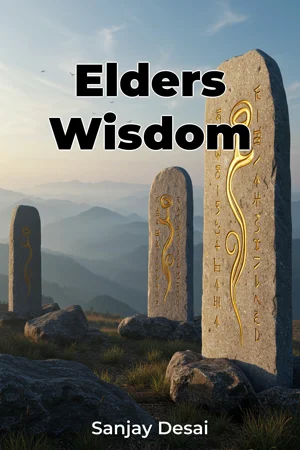
What if the keys to navigating an increasingly complex world lie not in cutting-edge technology, but in the timeless wisdom of those who have come before? "Elders Wisdom" delves into the enduring influence of elders, prophets, and sages as central figures in shaping storytelling traditions and historical understanding across diverse cultures. By examining their roles as keepers of knowledge, interpreters of the divine, and guides through societal challenges, this book explores how their teachings continue to resonate in the modern world. This exploration is critical for understanding the transmission of cultural values, the development of moral frameworks, and the very foundations upon which civilizations are built. Understanding these figures provides vital insights into how societies preserve their identities and adapt to change over generations. "Elders Wisdom" offers a comprehensive examination of these figures within a historical and religious context. It draws upon anthropological studies, historical accounts, and religious texts to illuminate the multifaceted roles elders, prophets, and sages play in shaping societal norms, ethical standards, and spiritual beliefs. The book argues that despite the rapid advancements of modern society, the core principles of wisdom, foresight, and ethical guidance embodied by these figures remain profoundly relevant. The book is structured to systematically explore this argument. It begins by defining the archetypes of the elder, prophet, and sage, differentiating their roles and highlighting their shared commitment to wisdom and guidance. This introductory section establishes a conceptual framework for understanding their significance across various cultural contexts. Following the introduction, the book is divided into three major sections. The first explores the elder's role as a repository of cultural knowledge, focusing on oral traditions, intergenerational learning, and the preservation of history through storytelling. Case studies from indigenous communities around the world will illustrate how elders act as living libraries, safeguarding vital information about their ancestors, environments, and cultural practices. The second section examines the prophet as a social and spiritual reformer, analyzing their calls for justice, ethical behavior, and societal transformation. Drawing upon examples from religious history, this section investigates the prophet's capacity to challenge established norms, inspire social movements, and offer alternative visions for the future. The third section focuses on the sage as a master of wisdom and insight, exploring their contributions to philosophical thought, ethical reasoning, and spiritual enlightenment. Through an analysis of influential sages from diverse traditions, this section examines how they have shaped our understanding of the human condition and offered pathways to personal and collective well-being. The book draws upon a diverse range of evidence, including ethnographic studies of contemporary elder communities, historical analyses of prophetic movements, and textual interpretations of philosophical and religious writings attributed to sages. It also incorporates cross-cultural comparisons to identify universal themes and unique expressions of wisdom across different societies. "Elders Wisdom" intersects with several academic disciplines, including anthropology, religious studies, history, and philosophy. By integrating insights from these fields, the book offers a holistic understanding of the elder, prophet, and sage as complex and multifaceted figures. This book offers a new perspective by highlighting the interconnectedness of these three archetypes and demonstrating their collective influence on shaping human history and cultural values. It moves beyond simplistic portrayals of these figures and offers a nuanced analysis of their diverse roles and contributions. The book adopts a balanced and scholarly tone, presenting information in a clear and accessible manner while maintaining academic rigor. The intended audience includes students and scholars in the humanities and social sciences, as well as general readers interested in history, religion, philosophy, and cultural studies. It offers valuable insights for anyone seeking to understand the roots of wisdom, the dynamics of cultural transmission, and the enduring relevance of traditional values in the modern world. In line with the conventions of non-fiction, "Elders Wisdom" is committed to presenting accurate and well-researched information, supported by credible sources and rigorous analysis. The book's scope is intentionally broad, encompassing a wide range of cultures and historical periods. However, it acknowledges the limitations of providing an exhaustive account of every elder, prophet, and sage throughout history. Instead, it focuses on representative examples that illustrate key themes and concepts. The insights presented in this book have practical applications for contemporary society. By understanding the principles of wisdom, ethical guidance, and intergenerational learning embodied by elders, prophets, and sages, readers can gain valuable tools for navigating personal and societal challenges, fostering meaningful relationships, and contributing to a more just and sustainable world. This book engages with ongoing debates about the role of tradition in modern society, the nature of ethical leadership, and the sources of wisdom and insight. It offers a fresh perspective on these issues, challenging conventional assumptions and promoting a more nuanced understanding of the past and its relevance to the present.
What if the keys to navigating an increasingly complex world lie not in cutting-edge technology, but in the timeless wisdom of those who have come before? "Elders Wisdom" delves into the enduring influence of elders, prophets, and sages as central figures in shaping storytelling traditions and historical understanding across diverse cultures. By examining their roles as keepers of knowledge, interpreters of the divine, and guides through societal challenges, this book explores how their teachings continue to resonate in the modern world. This exploration is critical for understanding the transmission of cultural values, the development of moral frameworks, and the very foundations upon which civilizations are built. Understanding these figures provides vital insights into how societies preserve their identities and adapt to change over generations. "Elders Wisdom" offers a comprehensive examination of these figures within a historical and religious context. It draws upon anthropological studies, historical accounts, and religious texts to illuminate the multifaceted roles elders, prophets, and sages play in shaping societal norms, ethical standards, and spiritual beliefs. The book argues that despite the rapid advancements of modern society, the core principles of wisdom, foresight, and ethical guidance embodied by these figures remain profoundly relevant. The book is structured to systematically explore this argument. It begins by defining the archetypes of the elder, prophet, and sage, differentiating their roles and highlighting their shared commitment to wisdom and guidance. This introductory section establishes a conceptual framework for understanding their significance across various cultural contexts. Following the introduction, the book is divided into three major sections. The first explores the elder's role as a repository of cultural knowledge, focusing on oral traditions, intergenerational learning, and the preservation of history through storytelling. Case studies from indigenous communities around the world will illustrate how elders act as living libraries, safeguarding vital information about their ancestors, environments, and cultural practices. The second section examines the prophet as a social and spiritual reformer, analyzing their calls for justice, ethical behavior, and societal transformation. Drawing upon examples from religious history, this section investigates the prophet's capacity to challenge established norms, inspire social movements, and offer alternative visions for the future. The third section focuses on the sage as a master of wisdom and insight, exploring their contributions to philosophical thought, ethical reasoning, and spiritual enlightenment. Through an analysis of influential sages from diverse traditions, this section examines how they have shaped our understanding of the human condition and offered pathways to personal and collective well-being. The book draws upon a diverse range of evidence, including ethnographic studies of contemporary elder communities, historical analyses of prophetic movements, and textual interpretations of philosophical and religious writings attributed to sages. It also incorporates cross-cultural comparisons to identify universal themes and unique expressions of wisdom across different societies. "Elders Wisdom" intersects with several academic disciplines, including anthropology, religious studies, history, and philosophy. By integrating insights from these fields, the book offers a holistic understanding of the elder, prophet, and sage as complex and multifaceted figures. This book offers a new perspective by highlighting the interconnectedness of these three archetypes and demonstrating their collective influence on shaping human history and cultural values. It moves beyond simplistic portrayals of these figures and offers a nuanced analysis of their diverse roles and contributions. The book adopts a balanced and scholarly tone, presenting information in a clear and accessible manner while maintaining academic rigor. The intended audience includes students and scholars in the humanities and social sciences, as well as general readers interested in history, religion, philosophy, and cultural studies. It offers valuable insights for anyone seeking to understand the roots of wisdom, the dynamics of cultural transmission, and the enduring relevance of traditional values in the modern world. In line with the conventions of non-fiction, "Elders Wisdom" is committed to presenting accurate and well-researched information, supported by credible sources and rigorous analysis. The book's scope is intentionally broad, encompassing a wide range of cultures and historical periods. However, it acknowledges the limitations of providing an exhaustive account of every elder, prophet, and sage throughout history. Instead, it focuses on representative examples that illustrate key themes and concepts. The insights presented in this book have practical applications for contemporary society. By understanding the principles of wisdom, ethical guidance, and intergenerational learning embodied by elders, prophets, and sages, readers can gain valuable tools for navigating personal and societal challenges, fostering meaningful relationships, and contributing to a more just and sustainable world. This book engages with ongoing debates about the role of tradition in modern society, the nature of ethical leadership, and the sources of wisdom and insight. It offers a fresh perspective on these issues, challenging conventional assumptions and promoting a more nuanced understanding of the past and its relevance to the present.
"Elders Wisdom" explores the profound influence of elders, prophets, and sages in shaping cultural values and historical understanding across societies. It argues that their teachings on wisdom, ethical behavior, and cultural knowledge remain relevant in today's complex world. The book highlights how these figures have acted as keepers of tradition, interpreters of the divine, and guides through societal challenges. For example, elders in indigenous communities serve as living libraries, safeguarding crucial information about their ancestors and environments, while prophets throughout religious history have inspired social movements and called for justice. The book examines the roles of these archetypes within a historical and religious context, using anthropological studies, historical accounts, and religious texts. It's structured into three main sections: the elder as a repository of cultural knowledge, the prophet as a social and spiritual reformer, and the sage as a master of wisdom. Through diverse case studies and analyses, "Elders Wisdom" demonstrates the interconnectedness of these figures and their enduring impact on shaping human history and philosophical thought.
Book Details
ISBN
9788235203724
Publisher
Publifye AS
Your Licenses
You don't own any licenses for this book
Purchase a license below to unlock this book and download the EPUB.
Purchase License
Select a tier to unlock this book
Need bulk licensing?
Contact us for enterprise agreements.