
About This Book
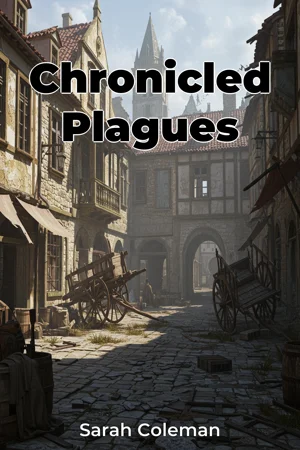
How have humanity's interpretations of devastating plagues shaped our cultures, beliefs, and enduring narratives? "Chronicled Plagues" delves into the intertwined histories of pestilence, religious thought, and cultural expression, revealing how these forces have profoundly impacted human civilization. This book examines the major plague outbreaks throughout history, analyzes the religious explanations that arose in response, and traces their lasting influence on myths, literature, and cultural practices. This study is crucial because understanding these historical events and their interpretations provides valuable insight into how societies cope with crisis, construct meaning in the face of suffering, and transmit cultural knowledge across generations. By exploring religious perspectives on plagues, this book illuminates the diverse ways humans have sought to understand and respond to mortality, divine judgment, and the fragility of life. Analyzing their impact on myths and literature reveals how plagues have served as powerful metaphors for social upheaval, moral decay, and the human condition itself. To fully appreciate the complexities of this subject, we will establish a historical framework, detailing the epidemiology of major plagues like the Black Death and the Spanish Flu, as well as the social and political climates in which they occurred. The book will then explore the theological responses to these events, examining how different religious traditions interpreted plagues as divine punishment, tests of faith, or manifestations of evil. We will also consider pre-scientific understandings of disease transmission and the often-ineffective preventative measures that were undertaken. "Chronicled Plagues" argues that religious interpretations of plagues, while often rooted in fear and uncertainty, played a critical role in shaping cultural resilience and fostering collective identity. These interpretations provided frameworks for understanding suffering, promoting social cohesion, and motivating acts of charity and communal support. The book is structured in three main parts. The first section introduces the historical context of major plague outbreaks and explores the development of early epidemiological theories. The second section examines religious interpretations of plagues across various traditions, including Christianity, Islam, and Judaism, focusing on theological responses and ritual practices. The third section analyzes the impact of plagues on myths, literature, and art, tracing their influence on themes of mortality, morality, and social order. The conclusion synthesizes these findings, highlighting the enduring legacy of plagues on human culture and exploring their relevance to contemporary challenges such as emerging infectious diseases. The analysis relies on a range of primary sources, including historical chronicles, religious texts, medical treatises, and literary works. It also draws on secondary scholarship in history, religious studies, cultural studies, and epidemiology to provide a comprehensive and nuanced understanding of the subject. This study connects to several other fields, notably medicine, sociology, and political science. The medical perspective is essential for understanding disease transmission and public health responses. A sociological lens illuminates the ways in which plagues exacerbate social inequalities and shape community dynamics. Political science provides insight into the role of governments in managing epidemics and the political consequences of public health crises. A unique aspect of this analysis is its comparative approach, examining religious and cultural responses to plagues across different historical periods and geographical regions. This comparative perspective reveals common patterns of human behavior in the face of adversity, as well as the diverse ways in which cultures construct meaning and maintain resilience. The tone of "Chronicled Plagues" is academic yet accessible, aiming to engage both scholars and general readers interested in the history of disease, the role of religion in society, and the power of cultural narratives. The target audience includes students and scholars of history, religious studies, literature, and cultural studies, as well as general readers interested in the history of medicine and the impact of disease on society. The book will be valuable to them by offering a comprehensive and interdisciplinary exploration of a topic that remains relevant and urgent in the face of ongoing global health challenges. As a non-fiction work, "Chronicled Plagues" adheres to the genre's emphasis on factual accuracy, evidence-based arguments, and clear, objective prose. The scope of the book encompasses major plague outbreaks from antiquity to the modern era, with a particular focus on the bubonic plague, smallpox, and influenza. While it acknowledges the global impact of plagues, it primarily focuses on Western and Middle Eastern cultures due to the availability of historical sources and the expertise of the author. The information presented in "Chronicled Plagues" can be applied to contemporary discussions on public health, risk communication, and cultural responses to global crises. It provides valuable lessons for policymakers, healthcare professionals, and community leaders seeking to build resilient and equitable societies in the face of future pandemics. This book addresses ongoing debates about the role of religion in public health and the ethical implications of pandemic management strategies. It contributes to these discussions by providing a historical perspective on the complex interplay between faith, science, and society in times of crisis.
How have humanity's interpretations of devastating plagues shaped our cultures, beliefs, and enduring narratives? "Chronicled Plagues" delves into the intertwined histories of pestilence, religious thought, and cultural expression, revealing how these forces have profoundly impacted human civilization. This book examines the major plague outbreaks throughout history, analyzes the religious explanations that arose in response, and traces their lasting influence on myths, literature, and cultural practices. This study is crucial because understanding these historical events and their interpretations provides valuable insight into how societies cope with crisis, construct meaning in the face of suffering, and transmit cultural knowledge across generations. By exploring religious perspectives on plagues, this book illuminates the diverse ways humans have sought to understand and respond to mortality, divine judgment, and the fragility of life. Analyzing their impact on myths and literature reveals how plagues have served as powerful metaphors for social upheaval, moral decay, and the human condition itself. To fully appreciate the complexities of this subject, we will establish a historical framework, detailing the epidemiology of major plagues like the Black Death and the Spanish Flu, as well as the social and political climates in which they occurred. The book will then explore the theological responses to these events, examining how different religious traditions interpreted plagues as divine punishment, tests of faith, or manifestations of evil. We will also consider pre-scientific understandings of disease transmission and the often-ineffective preventative measures that were undertaken. "Chronicled Plagues" argues that religious interpretations of plagues, while often rooted in fear and uncertainty, played a critical role in shaping cultural resilience and fostering collective identity. These interpretations provided frameworks for understanding suffering, promoting social cohesion, and motivating acts of charity and communal support. The book is structured in three main parts. The first section introduces the historical context of major plague outbreaks and explores the development of early epidemiological theories. The second section examines religious interpretations of plagues across various traditions, including Christianity, Islam, and Judaism, focusing on theological responses and ritual practices. The third section analyzes the impact of plagues on myths, literature, and art, tracing their influence on themes of mortality, morality, and social order. The conclusion synthesizes these findings, highlighting the enduring legacy of plagues on human culture and exploring their relevance to contemporary challenges such as emerging infectious diseases. The analysis relies on a range of primary sources, including historical chronicles, religious texts, medical treatises, and literary works. It also draws on secondary scholarship in history, religious studies, cultural studies, and epidemiology to provide a comprehensive and nuanced understanding of the subject. This study connects to several other fields, notably medicine, sociology, and political science. The medical perspective is essential for understanding disease transmission and public health responses. A sociological lens illuminates the ways in which plagues exacerbate social inequalities and shape community dynamics. Political science provides insight into the role of governments in managing epidemics and the political consequences of public health crises. A unique aspect of this analysis is its comparative approach, examining religious and cultural responses to plagues across different historical periods and geographical regions. This comparative perspective reveals common patterns of human behavior in the face of adversity, as well as the diverse ways in which cultures construct meaning and maintain resilience. The tone of "Chronicled Plagues" is academic yet accessible, aiming to engage both scholars and general readers interested in the history of disease, the role of religion in society, and the power of cultural narratives. The target audience includes students and scholars of history, religious studies, literature, and cultural studies, as well as general readers interested in the history of medicine and the impact of disease on society. The book will be valuable to them by offering a comprehensive and interdisciplinary exploration of a topic that remains relevant and urgent in the face of ongoing global health challenges. As a non-fiction work, "Chronicled Plagues" adheres to the genre's emphasis on factual accuracy, evidence-based arguments, and clear, objective prose. The scope of the book encompasses major plague outbreaks from antiquity to the modern era, with a particular focus on the bubonic plague, smallpox, and influenza. While it acknowledges the global impact of plagues, it primarily focuses on Western and Middle Eastern cultures due to the availability of historical sources and the expertise of the author. The information presented in "Chronicled Plagues" can be applied to contemporary discussions on public health, risk communication, and cultural responses to global crises. It provides valuable lessons for policymakers, healthcare professionals, and community leaders seeking to build resilient and equitable societies in the face of future pandemics. This book addresses ongoing debates about the role of religion in public health and the ethical implications of pandemic management strategies. It contributes to these discussions by providing a historical perspective on the complex interplay between faith, science, and society in times of crisis.
"Chronicled Plagues" explores the profound impact of plagues on human history, focusing on how religious interpretations and cultural narratives have shaped our understanding of these devastating events. Examining major historical outbreaks like the Black Death and the Spanish Flu, the book analyzes how societies have used religion to explain and cope with widespread disease, divine judgment, and mortality. Intriguingly, these religious interpretations, while often stemming from fear, have also fostered cultural resilience and communal support. The book uniquely emphasizes the intersection of history and religion to reveal humanity's response to plagues. It begins by establishing a historical context for understanding major plague outbreaks and early epidemiological theories. It then progresses to examining religious interpretations across traditions, focusing on theological responses and ritual practices. Finally, it analyzes the impact of plagues on myths, literature, and art, tracing their influence on themes of morality and social order. This approach provides a comprehensive view of how plagues have shaped cultural expression, offering valuable insights into how we construct meaning in the face of suffering.
Book Details
ISBN
9788235203700
Publisher
Publifye AS
Your Licenses
You don't own any licenses for this book
Purchase a license below to unlock this book and download the EPUB.
Purchase License
Select a tier to unlock this book
Need bulk licensing?
Contact us for enterprise agreements.